Trauma
How to Cope With Grief After the Loss of a Pet
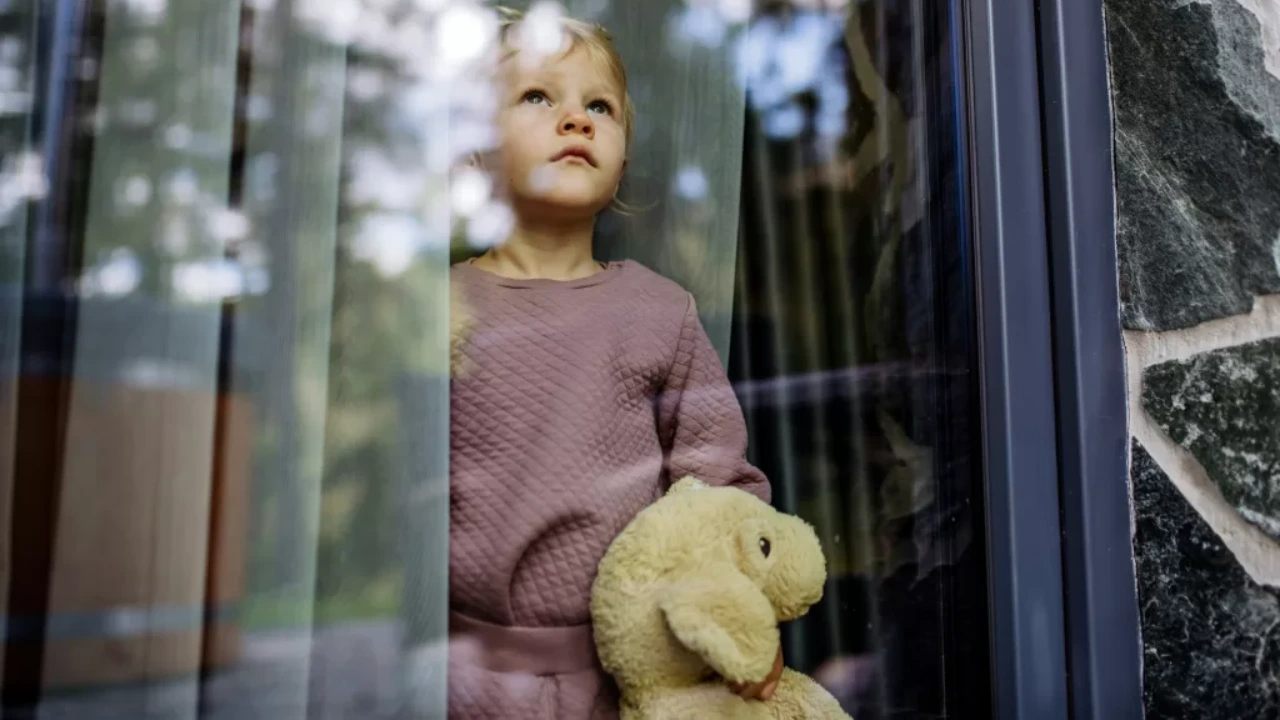
Understand grief, guilt and loneliness after pet loss, how to explain the death to children, and ways to honour the bond while adjusting to loss.
Understand grief, guilt and loneliness after pet loss, how to explain the death to children, and ways to honour the bond while adjusting to loss.
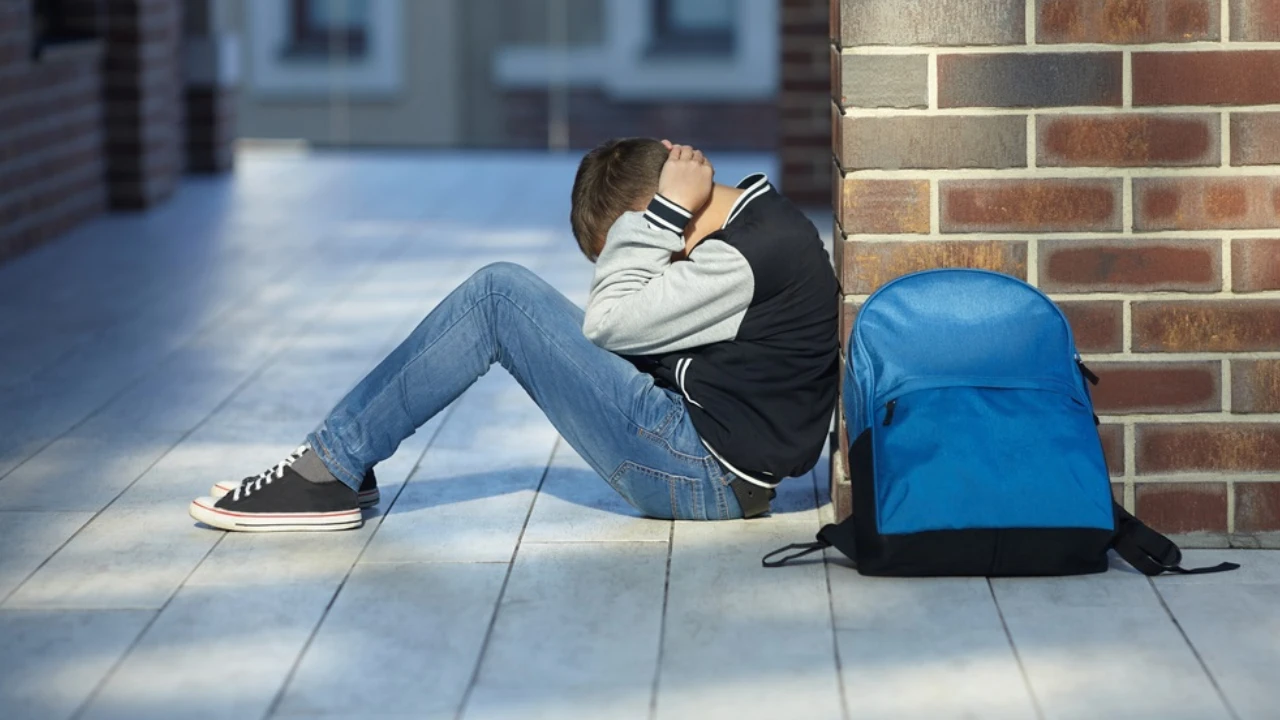
Understand physical, verbal, psychological and digital violence at school, warning signs in children, and how adults can respond safely.
Understand physical, emotional and sexual childhood abuse, signs of neglect, and how to respond safely when a child discloses harm.
Learn what being triggered means, the signs of an emotional trigger, how trauma triggers work, and what can help during an intense reaction.
Learn the signs of hypervigilance, why it can happen, how it relates to trauma and anxiety, and practical ways to reduce a persistent state of alarm.
Learn what functional freeze means, its possible signs, how it differs from burnout and depression, and grounded ways to respond to feeling stuck.
Learn what childhood emotional neglect means, how it may appear in adult relationships and ways to reconnect with emotional needs.
What is a trauma bond, how does it form and how do you break free? Detailed information on being unable to leave toxic relationships, narcissistic dynamics and healing.
A flashback is reliving a traumatic event. Learn what to do during a flashback, which techniques help, and how online therapy can support you.
Learn about identity disruption and memory gaps in dissociative identity disorder, its relationship with trauma, clinical assessment and safety-focused treatment.
The abandonment schema is a deep expectation that close relationships will end. Learn its signs, triggers, relationship effects and ways to cope.
Sexual abuse and trauma deeply affect both physical and psychological health. Learn the effects and how therapy supports recovery.
In people with Stockholm syndrome, emotional dependency becomes very strong. Even once free, the person may long for their abuser. Learn the signs.
Derealisation is a condition that makes a person perceive their surroundings as unreal. Learn in detail about its symptoms, causes and therapy methods.
If you experience nightmares, fear, avoidance and hyperarousal after trauma, you may be facing PTSD. Online therapy support from Psychologist Nilay Özkan.