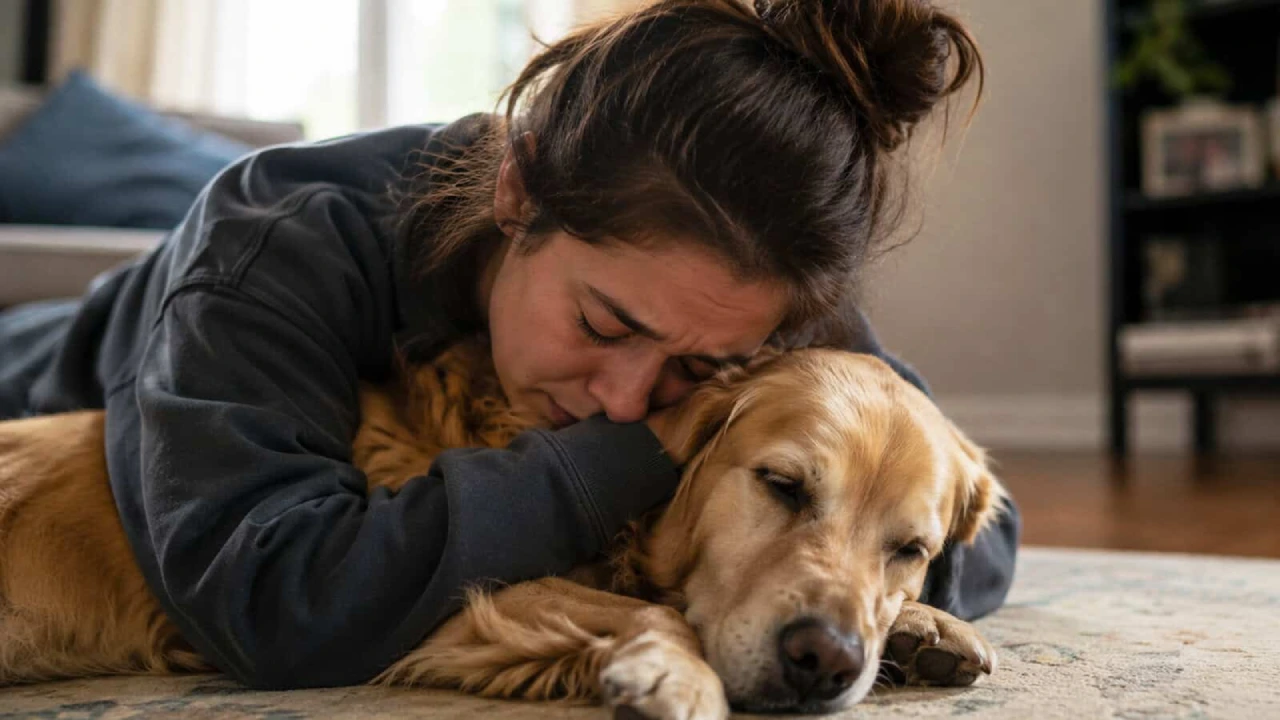
The death of a companion animal can profoundly change daily life, the home and a person’s emotional world. A pet may be a family member, constant companion, source of safety and central part of everyday routine. Intense sadness, longing, guilt or emptiness after the loss is therefore a natural grief response.
Comments such as “It was only an animal” or “You can get another one” can minimise the pain. Other people may not see the meaning of the relationship. The depth of grief is not determined by the species, the number of years together or how important outsiders believe the loss should be.
Why can pet loss hurt so much?
Relationships with companion animals often involve acceptance, closeness and frequent contact. Waking, walking, returning home and going to sleep may all be organised around the animal’s presence. When the pet dies, the person loses not only a loved being but also a routine and an imagined future.
For somebody living alone, the animal may be the main relationship in the home. For a child, the pet may be a trusted friend. For an older adult, care may provide movement, purpose and social contact. A bond formed during a difficult period of life can carry particularly deep meaning.
Silence in the house, an empty bowl, a lead or an expected sound can repeatedly remind the person of the absence. These concrete traces make the loss visible throughout the day.
Can pet loss become disenfranchised grief?
Disenfranchised grief describes loss that society does not fully recognise or allow a person to express openly. Pet loss is a common example. A bereaved person may not receive time away from work, may be expected to recover quickly or may have no shared ritual through which to acknowledge the death.
Disenfranchised grief can increase isolation. Feeling forced to hide sadness adds shame to a natural response. Talking with an understanding friend, veterinarian, support group or mental health professional can reduce that isolation.
The absence of public recognition does not make the relationship or the grief less real. A person is allowed to describe the animal as family if that reflects their experience.
What emotions can follow pet loss?
Grief does not move through one fixed sequence. Sadness, longing, anger, relief, guilt, numbness and disbelief may appear at different times. Someone who feels more settled one day may be overwhelmed the next by a photograph, sound or familiar habit.
Changes in appetite, sleep difficulty, exhaustion, poor concentration and social withdrawal can occur. A person may avoid returning home or briefly think they heard or saw the animal out of habit. Short experiences connected with expectation can occur in grief, but persistent or impairing perceptions should be discussed with a professional.
Relief can also be present, particularly after prolonged illness and intensive care. Relief that suffering or caregiving strain has ended does not mean love was absent. Contradictory emotions can coexist.
Why is guilt so common?
After a death, owners may repeatedly review earlier decisions: “What if I had gone to the vet sooner?”, “Why did I miss that sign?” or “Should I have tried another treatment?” These questions can be the mind’s attempt to regain control over an outcome that cannot be changed.
Judging a past decision with information available only later is rarely fair. What was known at the time, veterinary advice, the animal’s age, illness, quality of life and the family’s circumstances all matter. Perfect care is not a realistic standard.
Even when a genuine mistake or accident contributed, endless self-punishment cannot reverse the loss. Understanding responsibility honestly, changing future behaviour where possible and developing self-compassion are more constructive responses.
Grief after euthanasia
A decision to end an animal’s suffering can create a heavy burden alongside grief. The owner may question whether the timing was right or whether they acted too early or too late. Uncertainty is intensified because the animal cannot directly state its wishes.
Where possible, the decision should be discussed with a veterinarian in terms of pain, breathing, eating, mobility, treatment options and quality of life. Choosing euthanasia does not always mean giving up. In some circumstances it is a care decision intended to prevent further suffering.
Learning what will happen, choosing a way to say goodbye and deciding without pressure whether to be present can help. There is no single choice that every family must make.
Sudden and ambiguous loss
Death caused by an accident, poisoning or unexpected illness removes the chance to prepare and say goodbye. Images of the event may return involuntarily, and “if only” thoughts can become intense. Trauma reactions may occur alongside grief.
When an animal is missing or stolen, death is not confirmed and grief can take a different form. The person may feel caught between continuing the search and accepting that the pet may not return. This ambiguous loss can make a sense of closure difficult.
A realistic search plan, identified channels for sharing information and permission to continue other parts of life while retaining hope may help the person tolerate uncertainty.
How should pet death be explained to children?
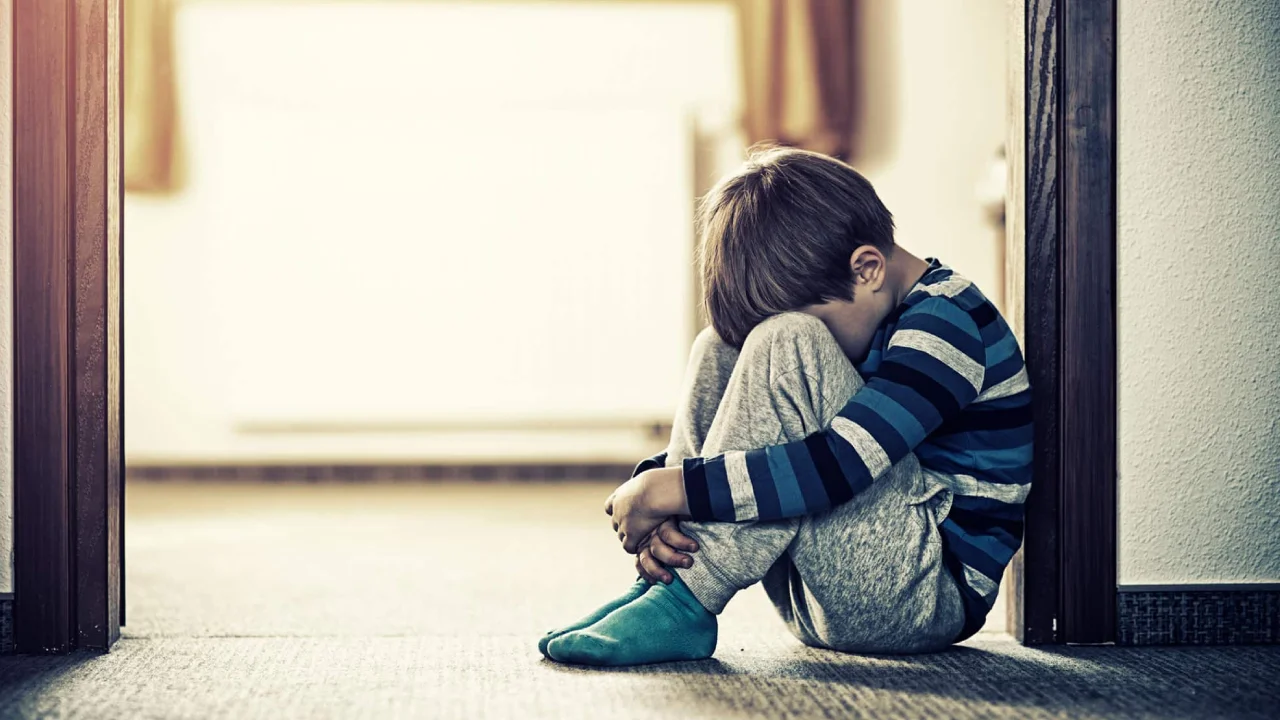
For a child, the death of a pet may be the first direct encounter with mortality. Use honest, age-appropriate and concrete language. Saying that the animal “went to sleep” or “went away” may create fears about sleep or separation. A clearer explanation is that the pet died, its body stopped working and it will not return.
Questions may need to be answered repeatedly without unnecessary or frightening detail. Repetition can be part of understanding rather than refusal to listen. Children can be invited to talk, draw, write or take part in a goodbye ritual.
Parents do not have to hide every sign of sadness. Showing emotion while continuing to provide care teaches that grief can be felt and carried. A teacher may be informed discreetly if school life is significantly affected.
Avoid immediately replacing the animal in an attempt to stop the child’s sadness. A new pet forms a different relationship and should be considered when the family is ready for the responsibility.
Are other animals in the home affected?
Other pets may respond to changed routines, the owner’s emotional state or the absence of a companion. Searching, vocalising, appetite changes or altered sleep may occur. These signs should not automatically be attributed to grief, because physical illness may require veterinary assessment.
Maintaining routines where possible and meeting needs for movement and contact can help. Bringing a new animal home immediately is not always the solution; the adjustment of existing pets and family members needs consideration.
What can help during grief?
Naming the loss without minimising it is a useful first step. Creating a photo album, writing a memory, planting something, donating to an animal charity or holding a small ritual can honour the relationship. The ritual does not require other people’s approval.
The bereaved person can decide when to move bowls, bedding and other belongings. Removing everything immediately is not inherently healthier than leaving items for a while. The decision does not need to be made under pressure.
Maintaining basic meals, sleep and movement supports the body while it carries grief. Heavy use of alcohol, substances or compulsive behaviour may numb distress temporarily but can make adjustment more difficult.
It can also help to expect triggers. Veterinary reminders, familiar walking routes and anniversaries may cause a sudden return of emotion. Planning support around these moments can reduce the sense of being caught off guard.
How can other people offer support?
Listening is generally more helpful than trying to fix the bereaved person’s feelings. Statements such as “You shared a very special bond” or “I can see how much you miss them” recognise the loss.
Avoid “At least you have another pet,” “You can replace them” or “You should be over it.” The decision to adopt again belongs to the bereaved person. A new animal is not an interchangeable replacement but the beginning of another relationship.
The anniversary of the death, the animal’s birthday or adoption date may be difficult. Checking in after the first days and weeks prevents support from disappearing while grief continues.
When is the right time for another pet?
There is no universal waiting period. Some people feel ready relatively soon, while others do not want another animal for a long time. Readiness does not mean forgetting the pet who died.
Avoid rushing the decision solely to escape silence or satisfy pressure from other people. Care requirements, finances, other animals and the readiness of everyone in the household need consideration.
Constantly comparing a new animal with the pet who died can be difficult for both the person and the emerging bond. Each relationship needs room to develop differently.
When might professional support help?
Grief has no exact timetable. Professional support may be useful when a person remains unable to meet basic needs, return to work or education, move beyond intense guilt or reconnect with others over a sustained period.
The death may activate earlier trauma or other losses. Repeated nightmares, intrusive images of the death, panic, severe depressive symptoms or increased alcohol and drug use deserve assessment. If thoughts of self-harm occur, urgent local emergency care should be sought rather than waiting for a routine appointment.
Individual therapy can provide a safe setting in which to explore the meaning of the bond, guilt and the changed shape of daily life. The purpose is not to forget the animal, but to learn to live with the loss while preserving the relationship in memory.
Grief for a companion animal is real and worthy of respect. Healing does not mean no longer missing them. With time, the intensity of pain may lessen, and memories can begin to hold not only the death but also the love and life that came before it.