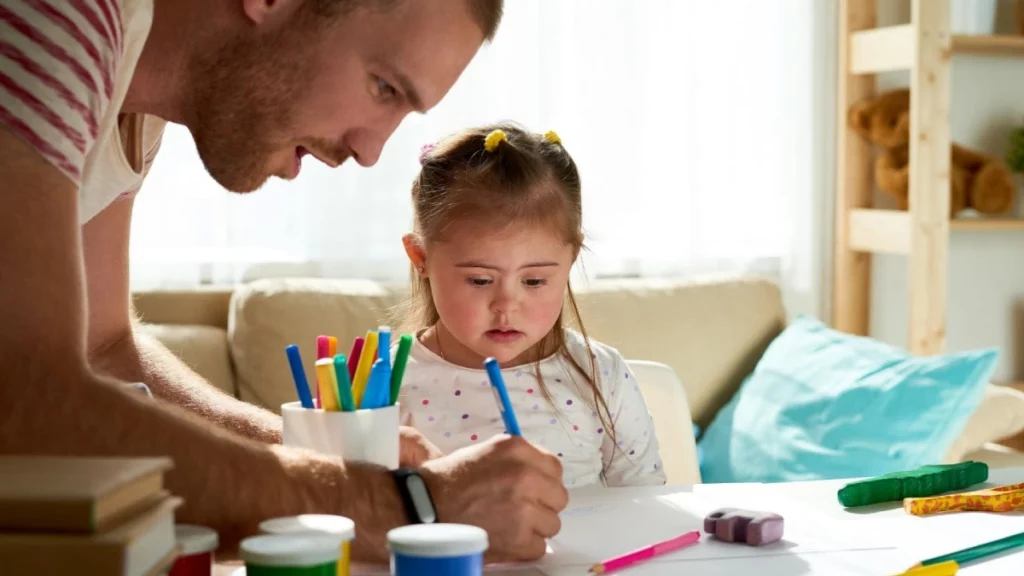
Family communication
Misunderstandings, repeated conflict, withdrawal and difficulty feeling heard.
Family Therapy with a Psychologist
A collaborative process for understanding the patterns affecting the whole family, restoring communication and making room for healthier relationships.

What Is Family Therapy?
Family therapy explores difficulties within the relationships, roles and interaction patterns that connect family members. The aim is not to identify one person as the problem, but to understand how the family system responds and changes together.
Different family members may experience the same event in very different ways. Therapy creates a structured space where these perspectives can be heard and where communication can become clearer and safer.
Families may seek support during parenting difficulties, adolescence, separation, loss, relocation, illness or other transitions that affect the balance of family life.
Areas We Can Explore
Every relationship has its own history and context. These are common areas of work, not a checklist.
Misunderstandings, repeated conflict, withdrawal and difficulty feeling heard.
Different parenting approaches, limits, consistency and cooperation.
Autonomy, trust, rules and changing relationships with a teenager.
Jealousy, competition, conflict and changing family attention.
Co-parenting, new roles, loyalty conflicts and adjustment.
Grief, relocation, illness and changes that affect the whole family.
How Does It Work?
Who attends and when is decided according to the family structure, the concern and the goals of therapy.
Book a SessionWe consider the concern, family structure and who may need to attend.
We listen to different perspectives and identify recurring interaction patterns.
We clarify priorities and what change would mean for family life.
We develop communication and problem-solving skills, then review progress.
The Therapeutic Framework
The psychologist remains neutral and pays attention to the relationships between family members. Participation, confidentiality, age-appropriate boundaries and the role of parents are explained clearly from the beginning.
Where there is ongoing violence, coercive control or immediate risk, joint therapy may not be safe or appropriate.
My Approach
I combine clinical experience with a warm, balanced and non-judgmental process that respects each family member’s place in the system.
Notice what triggers disconnection and how responses affect one another.
Practise listening, expression and repair without escalation.
Track changes and adapt goals to current needs.

Your Psychologist
I have worked in hospital and clinical settings for more than ten years, with the privilege of accompanying thousands of patients.
I offer support across a wide range of concerns, from anxiety and depression to relationship difficulties, grief and self-esteem. I combine cognitive behavioural therapy, mindfulness and solution-focused approaches with a warm, non-judgmental and personalised way of working.
Patient Reviews
Frequently Asked Questions
You can send another question via WhatsApp.
Send your question →Attendance depends on the concern, family structure and goals. The whole family may attend together, or certain members may join particular sessions.
No. Family therapy examines relationships and recurring interaction patterns rather than locating the entire problem in one person.
Yes, when appropriate. Their developmental level, consent or assent, safety and the role of parents are considered carefully.
It can be suitable for some families. Privacy, participation, location and the ability to communicate safely are assessed before beginning.
Session length, frequency and overall duration vary according to the family’s needs and goals and are discussed during assessment.
Where there is ongoing violence, coercion, immediate risk or a need for urgent psychiatric support, safety and local specialist services take priority.
Family Therapy Guides
Explore detailed guides on communication, trust and relationship decisions.
Learn about the psychological challenges of language, school adjustment, belonging, cultural identity and family support when raising children abroad.
Sibling jealousy can affect children's emotional development. This article covers its symptoms, causes and effective strategies for parents.
Learn how adolescent body image develops, how social media affects it, warning signs of distress and practical ways families can offer support.
A specific learning difficulty in children shows up as lasting struggles with reading, writing and maths. Early recognition protects school success.
Take the First Step
Get in touch to consider whether family therapy is suitable for your family.
Family therapy is not an emergency service. If there is violence, coercion or immediate risk of harm, contact local emergency or specialist support services.