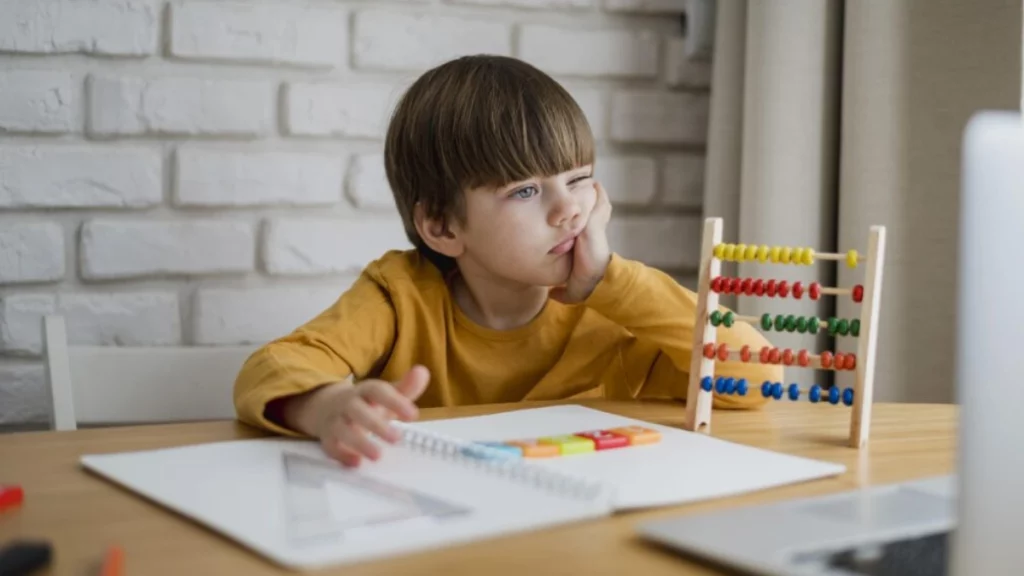

Raising a child abroad can offer access to more than one language, culture and way of seeing the world. It can also bring persistent parental questions: “Will my child feel that they belong?”, “Will they lose our family language?” and “What should I do if they are excluded at school?” While the family learns a new country’s systems, parents are also trying to protect the child’s need for safety, continuity and belonging.
The process is not only about the child adapting. Parents have their own migration experience, rebuild social support and make decisions between different approaches to child-rearing. Difficulties should not automatically be interpreted as parental inadequacy. Migration is a major life change that affects the whole family system.
How do children experience moving abroad?
A child’s response depends on age, temperament, the reason for moving and how much preparation was possible. Young children may not fully understand the change of country but notice changes in home, caregivers, routines and familiar people. School-age children may openly grieve friends and teachers. For adolescents, moving can mean losing a peer group and having to reconstruct a developing identity in an unfamiliar environment.
Some children appear excited at first and show distress only weeks later. Others respond with anger, crying, withdrawal, disturbed sleep, stomach aches or temporary regression to earlier behaviour. These signs do not always indicate a disorder; they may be adjustment responses to a significant change.
It helps parents to understand the psychology of living abroad. Adult uncertainty, loneliness and exhaustion affect the emotional climate at home. A parent cannot remove every difficulty, but the presence of a calm and predictable adult is protective in itself.
How does a language difference affect a child?
A child who does not know the local language may struggle to speak with peers and communicate basic needs. Not understanding lessons or being laughed at for pronunciation can affect confidence. Some children remain silent to avoid mistakes and may then be perceived as shy, disengaged or less capable than they are.
The speed of language learning varies widely. Conversational language may develop relatively quickly while academic language takes much longer. A child who chats comfortably may still struggle with complex classroom instructions. Recognising this distinction helps adults set realistic expectations.
Maintaining the home language does not necessarily prevent learning the new one. A first language supports family relationships, emotional expression and cultural connection. Language use should not become a test of loyalty, however. Shaming mistakes or turning every interaction into a demand to perform can make the child resist speaking.
Parents can keep the family language alive through books, play, music, relatives and ordinary conversation. The goal is not to produce a perfectly balanced bilingual child. It is to support communication in different environments while preserving emotional connection within the family.
Why can school adjustment be difficult?
School is not only a place of learning; it is where cultural expectations are concentrated. Ways of addressing teachers, participating in class, completing homework, eating and involving parents may differ from the previous system. The child has to learn academic content and invisible social rules at the same time.
Early signs may include reluctance to attend, morning stomach aches, crying or difficulty separating. This does not mean that the child is lazy. Uncertainty, communication difficulty, fear of failure or peer relationships may have made school feel threatening. When difficulties persist, school refusal should be considered collaboratively with teachers, school support staff and, when appropriate, a mental-health professional.
Regular communication with the school is helpful. Contact should not happen only when something goes wrong; the child’s strengths and progress can also be discussed. Repeatedly criticising the teacher or school system in front of the child may make it harder for them to trust the new setting. When advocacy is necessary, solution-focused communication between adults is usually more protective.
How should peer relationships and exclusion be addressed?
Friendship is central to a child’s sense of belonging in a new country. Language, accent, name, food, clothing or family traditions may make the child visibly different. Difference is not inherently a problem, but adult intervention is necessary when it becomes ridicule, exclusion or discrimination.
A child may not easily explain what is happening. Statements such as “Nobody plays with me,” repeated requests to stay home or belongings regularly going missing should be explored carefully. Telling the child to ignore it or simply defend themselves can leave them alone with the problem. Adults first need to understand what happened, how often and what support the child wants.
When peer bullying is occurring, parents should learn the school’s policies, document events and communicate with responsible adults using specific information. The child should know that seeking help is not weakness. It also helps not to make school the child’s only social world; sport, art, cultural or language groups can offer different opportunities for connection.
Does a child become caught between two cultures?
A child may meet one set of expectations at home and another at school. Silence viewed as respect at home may be interpreted as lack of participation in class. Independent decision-making may be encouraged in the new country yet understood as disobedience within the family. Trying to satisfy both environments can make it difficult for the child to recognise personal preferences.
“This is our culture” does not resolve every conflict. Parents need to distinguish a value they genuinely want to preserve from a behaviour that is merely familiar. Family connection can be deeply valuable, for example, without requiring a child to be controlled through guilt in every decision.
A bicultural identity is not a deficit. It can become a source of flexibility and strength over time. The child may feel closer to Turkish identity in one situation and closer to the local culture in another. A parent’s task is not to make the child choose a single identity but to provide safety for exploring different parts of the self.
How do relationships with relatives in Turkey affect the child?
Distance from grandparents and other relatives can create a sense of loss for both children and parents. Video calls support connection but do not fully replace physical closeness. A young child’s limited interest in the screen does not mean they do not love relatives. Short, regular and age-appropriate contact may work better than forced long conversations.
Visits to Turkey are not always purely joyful. Children may become overwhelmed by language demands, heat, crowds, physical affection or constant attention. Comments such as “They do not recognise us” or “They will not speak Turkish” can produce shame. Parents can prepare relatives, set limits and give the child places and periods to rest.
Strong advice from relatives about parenting may also undermine confidence. Criticism about how children are raised “over there” can leave parents caught between two systems. Parents have the right to make decisions based on their child’s needs and the reality of the country in which the family lives.
Why do parental loneliness and exhaustion matter?
Parenting abroad often takes place without extended-family support. Having nobody to call when a child is ill, managing work and care alone, and constantly planning logistics increase the mental load. If one partner cannot work or speaks less of the local language, dependence and inequality may also develop within the couple.
When parents continually postpone their own needs, emotional capacity decreases. Ordinary child behaviour can begin to feel intolerable. Rest and personal time are not selfish luxuries; they help preserve the ability to regulate and respond. Small, realistic sources of support matter, including reciprocal childcare with another family, local parent groups, school communities and regular online contact.
A child does not need a parent who never struggles. Seeing an adult name feelings appropriately and seek support teaches that difficulties can be managed. The child should not, however, become the parent’s only confidant, translator or emotional caretaker.
What can support a child’s adjustment?
Before a move, age-appropriate information, photographs and time to say goodbye reduce uncertainty. If the move has already happened, familiar objects and selected routines from the previous life can provide continuity. Repeated family meals, bedtimes or weekend activities help make the new environment predictable.
It is important to hear feelings without immediately correcting them. Instead of “But you have so many opportunities here,” a parent might say, “I can see that you miss your friends.” A child can appreciate the new country and grieve the previous life at the same time.
Parents can offer opportunities for friendship without demanding instant sociability. Regular participation in one activity, visiting the same playground or arranging a short meeting with one classmate may be easier than a large social event. The pace should fit the child’s temperament.
Cultural differences can be discussed openly. Discrimination should not be dismissed; it should be named in age-appropriate language while making clear that it does not reflect the child’s worth. Children also need to know which trusted adults they can approach for help.
When should professional support be considered?
Adjustment responses are expected to ease over time. Professional support may be useful when persistent sadness, severe anxiety, prolonged school refusal, sleep or eating problems, frequent physical complaints, intense anger, marked withdrawal or developmental regression interfere with daily life. Statements about self-harm or any immediate safety concern require prompt help.
The language in which the child can most comfortably express themselves matters when seeking support. A therapist’s awareness of migration, bilingual development, cultural identity and discrimination strengthens assessment. Not every difficulty should be attributed to family culture, and not every period of silence to limited language; individual development and environmental conditions need to be considered together.
The aim of raising a child abroad is not to make them fit perfectly into one culture. It is to support them in feeling valuable, safe and connected while living with difference. One of the most protective factors is not a parent who knows every answer, but a parent who listens, repairs after mistakes and remains willing to learn the new life alongside the child.