Anxiety and panic
Worry cycles, threat interpretations, avoidance and physical anxiety.
Cognitive Behavioural Therapy
A structured and collaborative therapy approach that helps you notice unhelpful patterns, test new perspectives and develop practical skills for everyday life.

What Is Cognitive Behavioural Therapy?
Cognitive Behavioural Therapy (CBT) is a structured psychotherapy approach that explores the links between interpretations, emotions, physical responses and behaviour.
CBT does not ask you to think positively or ignore difficult experiences. It helps you examine automatic conclusions more carefully, consider alternative perspectives and notice how avoidance or other coping patterns may keep a problem going.
The work is collaborative and personalised. A shared understanding of the difficulty guides goals, session focus and practical exercises.
Where Can Cognitive Behavioural Therapy Be Used?
Every relationship has its own history and context. These are common areas of work, not a checklist.
Worry cycles, threat interpretations, avoidance and physical anxiety.
Withdrawal, reduced activity, hopeless conclusions and self-criticism.
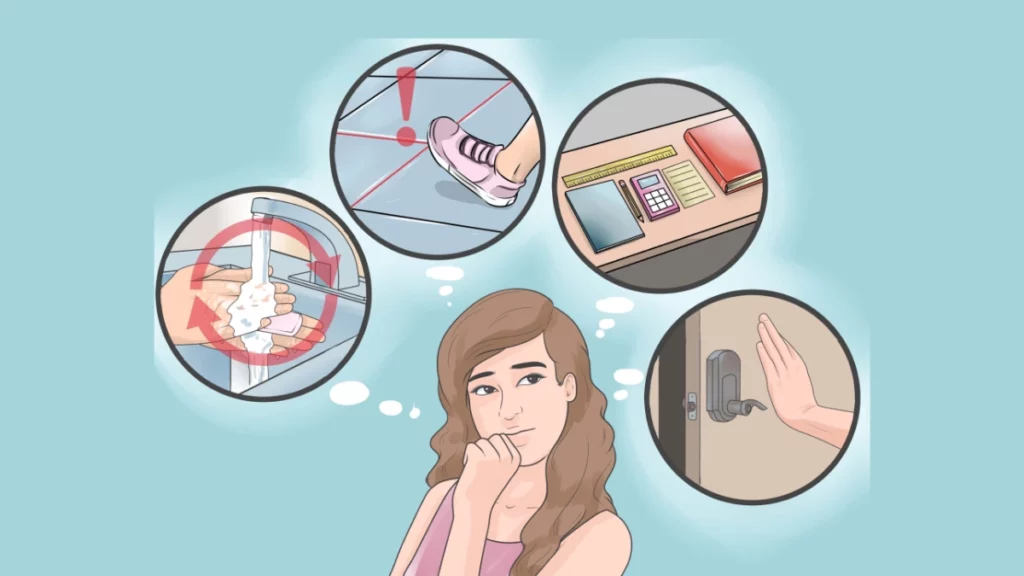
Intrusive thoughts, reassurance seeking and repetitive coping behaviours.
Negative core beliefs, comparison and harsh self-evaluation.
Overload, perfectionistic rules and difficulty recovering.
Patterns of arousal, unhelpful routines and behaviour change.
How Does Cognitive Behavioural Therapy Work?
The pace and techniques are adapted to your needs; CBT is not a fixed worksheet programme.
Book a SessionWe explore the difficulty, its context and the patterns that maintain it.
We map links between situations, thoughts, emotions, body responses and actions.
We choose priorities and test useful cognitive and behavioural strategies.
We evaluate what helps and build skills for maintaining progress.
The Cognitive Behavioural Therapy Framework
CBT may use monitoring forms, behavioural experiments or between-session practice, but these tools are selected collaboratively. The therapeutic relationship and your individual context remain central.
The aim is to develop more accurate and flexible ways of responding—not to deny painful realities or label every negative thought as wrong.
My Approach
Change can begin at different points in the cycle. We work with the combination that is most useful and appropriate for you.
Notice automatic interpretations and evaluate them more flexibly.
Understand emotional and physical responses without treating them as proof of danger.
Test new actions, reduce unhelpful avoidance and build practical skills.

Your Psychologist
I have worked in hospital and clinical settings for more than ten years, with the privilege of accompanying thousands of patients.
I offer support across a wide range of concerns, from anxiety and depression to relationship difficulties, grief and self-esteem. I combine cognitive behavioural therapy, mindfulness and solution-focused approaches with a warm, non-judgmental and personalised way of working.
Patient Reviews
Frequently Asked Questions
You can send another question via WhatsApp.
Send your question →No. CBT focuses on evaluating thoughts realistically and flexibly, not replacing every difficult thought with a positive one.
The number and frequency of sessions vary according to the concern, goals, complexity and progress. A plan is discussed collaboratively and reviewed over time.
Between-session practice may be suggested to help translate learning into daily life. Tasks are agreed together and adapted to your circumstances.
CBT is used across many difficulties, including anxiety, panic, depressive patterns and obsessive symptoms. Suitability requires an individual assessment.
Yes, when appropriate. Monitoring, skills practice and collaborative exercises can be adapted to secure online sessions.
No. CBT often focuses on present patterns, while earlier experiences are explored when they help explain current beliefs, coping strategies and vulnerabilities.
Cognitive Behavioural Therapy Guides
Explore detailed guides on communication, trust and relationship decisions.
What are anxiety disorders, what symptoms do they cause and how are they treated? Learn about their effects and coping with support.
Learn what obsessive-compulsive disorder is, how obsessions, compulsions, mental rituals and avoidance appear, and how CBT with ERP is used in treatment.
What is overthinking? Learn the symptoms and causes of overthinking and effective ways to cope, with psychological tips to make daily life easier.
Learn what rumination means, how it differs from reflection, worry and obsessions, and practical ways to interrupt repetitive negative thinking.
Take the First Step
Get in touch to consider whether CBT is suitable for your needs and goals.
CBT and routine therapy are not emergency services. If there is immediate risk of harm or an acute medical or psychiatric crisis, contact local emergency healthcare.