
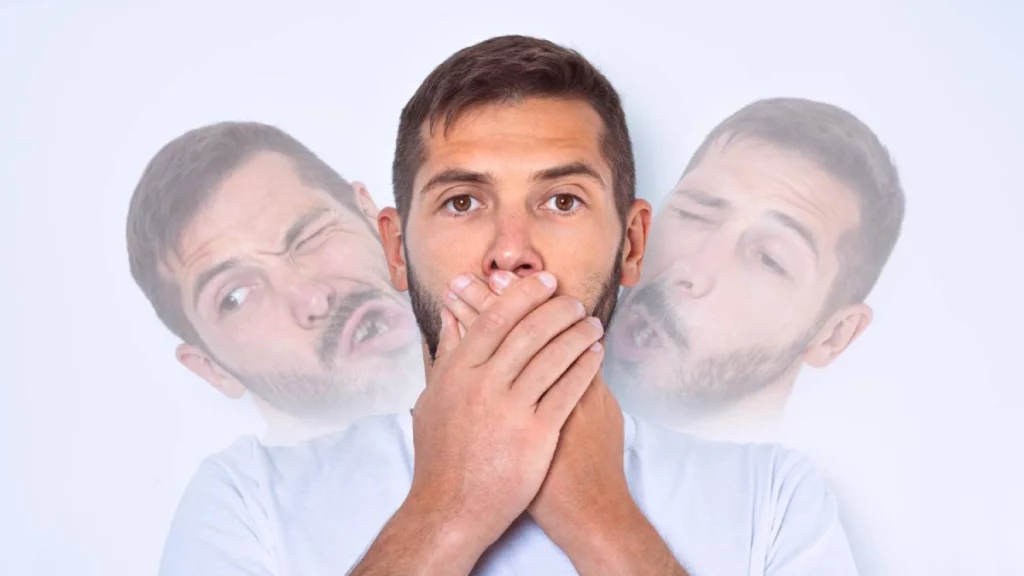
Tics are involuntary, brief, repetitive muscle movements or vocalisations. A person usually cannot control these movements but is aware of them. Behaviours such as blinking, shrugging the shoulders, throat-clearing or sniffing are the most common examples. Tics are sometimes mild, but at other times they can negatively affect a person’s social life and self-confidence. Tic disorders usually begin in childhood, but in some cases they can also appear in adulthood. Factors such as stress, anxiety, fatigue and distractibility can increase tics. In some people tics are temporary, while in others they can become permanent. When they are not noticed early and addressed correctly, they can become socially and emotionally wearing for the person. For this reason, understanding the causes underlying tics is the first step in determining the right approach.
Why Do Tic Disorders Occur? The Most Common Causes
Tic disorders usually arise when several factors come together. Although there is no single cause, they are thought to develop as a result of the interaction of biological, psychological and environmental factors. Genetic predisposition is one of the most important causes of this disorder. The likelihood of tics is higher in people who have a similar history of tics among family members. An imbalance of neurotransmitters such as dopamine and serotonin in the brain can also play a role in the formation of tics. Environmental factors can also trigger the appearance or increase of tics. Intense stress, anxiety, being under pressure, traumatic events and fatigue can increase the frequency of tic behaviours. Anxiety experienced in childhood in particular, family tensions or school pressure can cause tics to begin. In addition, accompanying psychological conditions such as attention deficit, obsessive-compulsive disorder (OCD) or anxiety disorders can contribute to the persistence of tics. Understanding the causes of tics is important not only for reducing symptoms but also for helping the person cope with the inner stress they experience. Every individual’s tic history and triggering factors are different; for this reason, a professional assessment is needed to determine the right approach.
Tic Disorder in Children: Symptoms and Advice for Families
Tic disorders in children usually appear between the ages of 5 and 10 and can include both motor and vocal tics. Motor tics appear as involuntary muscle movements such as blinking, shrugging the shoulders or grimacing, while vocal tics show themselves as throat-clearing, making “uh” sounds or repeating certain words. Children are usually aware that they are ticcing but cannot control them, and tics can increase when they are stressed, tired or excited. The most important task for parents in this process is to support the child without criticising or punishing them. Trying to correct tics or constantly warning the child can increase the child’s anxiety and heighten the severity of the tics. Instead, ensuring that the child is in a safe and calm environment and taking measures such as regular sleep, healthy nutrition and stress management is quite effective. In addition, in cases where tics become frequent or negatively affect the child’s daily life, it is important to get help from an expert psychologist or a child psychiatrist. Early intervention both makes it easier to bring tics under control and helps the child protect their self-confidence and social skills. A conscious and patient approach for families is the most fundamental step in managing tic disorder.
Tic Disorder in Adults and Its Relationship with Stress
Tic disorders in adults usually arise when tics that began in childhood persist or when stress and anxiety play a triggering role. Tics show themselves as involuntary muscle movements or vocalisations and can create both social and psychological pressure on the person. In adulthood, the severity and frequency of tics can increase, especially with stress, an intense work pace and emotional fatigue. In adults under stress, tics are often seen as a reflection of the need for physical and emotional relief. For example, tics such as blinking, raising the eyebrows or throat-clearing can be a mechanism for releasing tension without the person realising it. Long-lasting and uncontrolled tics can damage a person’s self-confidence, affect their social relationships and raise their anxiety level. Getting professional support is one of the most effective ways of managing tic disorders. Cognitive behavioural therapy (CBT) and relaxation techniques help reduce the frequency of tics and develop skills for coping with stress. When coping with tic disorder in adults, the person observing their own behaviour, noticing triggers and applying regular stress-management practices improves quality of life.
Types of Tic Disorder: The Differences Between Motor and Vocal Tics
Tic disorders are examined in two main categories: motor tics and vocal tics. Motor tics show themselves through involuntary muscle movements and include behaviours such as blinking, shrugging the shoulders, grimacing or hand movements. Vocal tics, on the other hand, cover audible signs such as throat-clearing, making certain sounds, or repeating words or syllables. In some individuals both motor and vocal tics can be seen together. Motor tics are usually more noticeable and attract attention in social settings. Vocal tics, on the other hand, can appear especially during speech and can affect a person’s self-confidence. The frequency, intensity and triggering factors of tics vary from person to person. Stress, fatigue or anxiety can cause both motor and vocal tics to increase. Understanding the types of tic disorders is one of the fundamental steps in determining the right treatment approach. Cognitive behavioural therapy (CBT) and behavioural interventions are effective methods for managing both motor and vocal tics. In addition, observing tics and identifying triggers helps reduce symptoms in both children and adults. This information is of great importance for improving a person’s quality of life and supporting their social adaptation.
Behavioural Techniques That Can Be Applied to Reduce Tics
Behavioural techniques for tic disorders are one of the effective ways of managing symptoms in both children and adults. These methods aim to reduce the frequency and intensity of tics and help the person protect their social life and self-confidence. One of the most common techniques is Habit Reversal Training (HRT). In this method the person learns to notice the tic behaviour and to put in its place a less noticeable or harmless behaviour. Another technique is relaxation and stress-management exercises. Stress is the main factor that increases the severity of tics. Breathing exercises, meditation, yoga or mindfulness practices make it easier to control tics by reducing muscle tension. Regular sleep, healthy nutrition and balancing screen time also increase the effectiveness of behavioural approaches. Behavioural techniques do not only reduce tics; they also enable the person to observe their own behaviour, notice their triggers and develop their emotional awareness. Especially when applied under professional guidance, long-term success in coping with tic disorders can be achieved. These methods support the person in protecting both their physical and their psychological health.
When Should You Seek Expert Help for Tic Disorder?
Tic disorders can often be mild and temporary, but in some cases professional help may be needed. Expert support is critically important, especially if tics are affecting the person’s social life, school or work performance, if their frequency is increasing, or if there are accompanying conditions such as anxiety, obsessive behaviours or depression. In children, tics can usually decrease on their own within the process of growth and development. However, if tics continue for a long time, are severe and damage the child’s self-confidence, support should be sought from a child psychologist or child psychiatrist. In adults, tics being triggered by stress or negatively affecting daily life is a warning sign for psychotherapy or online therapy. Professional support is important for understanding the causes underlying tics and for determining appropriate treatment strategies. Cognitive behavioural therapy (CBT), behavioural interventions and stress-management work help bring tics under control and improve the person’s quality of life. Early and correct intervention is the most effective way of preventing tic disorders from becoming chronic.
Get Professional Support for Tic Disorder
Tic disorders are involuntary movements and sounds, sometimes triggered by stress and anxiety, that can affect a person’s social life, self-confidence and daily functioning. This condition can lower quality of life in both children and adults and can create psychological effects in the long term. I, Psychologist Nilay Özkan, with over 10 years of clinical experience, support my patients in the online therapy process to understand the causes of tics, manage their triggers and reduce symptoms with behavioural techniques. 🌿 Begin a safe journey with professional support to understand yourself or your child and improve your quality of life.