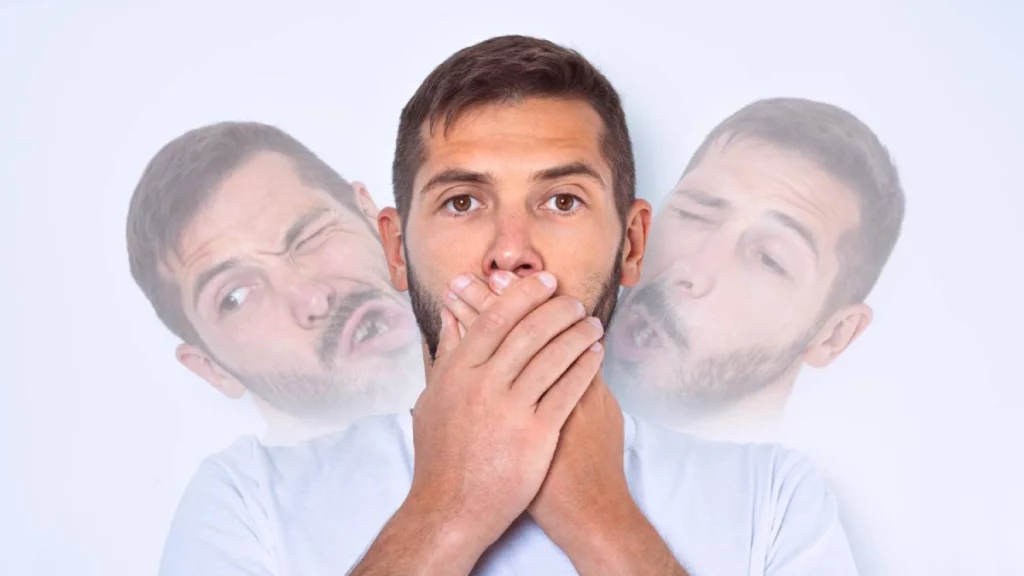
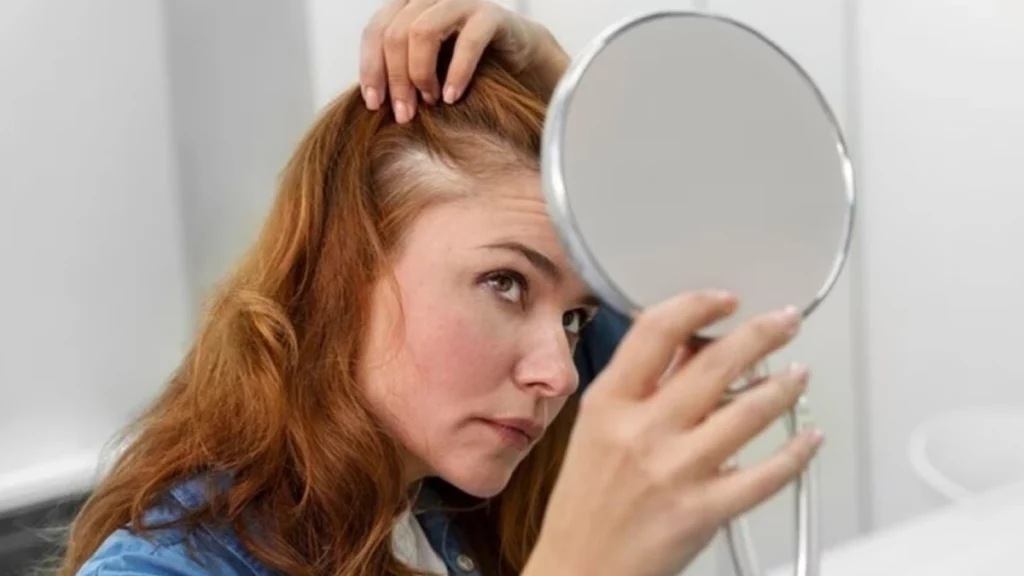
Trichotillomania is a condition, among the impulse-control disorders, that appears with a repeated urge to pull out one’s own hair. It is usually seen together with stress, anxiety or intense emotional strain, and over time it can negatively affect a person’s everyday life, self-confidence and social relationships. Although the hair-pulling behaviour provides short-term relief, feelings of guilt and shame can develop afterwards. This condition may not be limited to hair-pulling alone; pulling out eyebrows, eyelashes or hair from different parts of the body can also be seen. When untreated, it can become repetitive and chronic. However, with conscious awareness, therapy support and a professional road map, trichotillomania can be brought under control.
Why Does Trichotillomania Occur?
Trichotillomania is a condition that is not tied to a single cause, but arises through the interaction of biological, psychological and environmental factors. Research shows that this condition is related to brain chemistry and that imbalances in impulse-control mechanisms trigger the hair-pulling behaviour. In particular, irregularity in neurotransmitters such as serotonin and dopamine can weaken a person’s ability to cope with stress. From a psychological perspective, conditions such as generalised anxiety, stress, depressive mood and suppressed anger can increase the hair-pulling behaviour in a person. This behaviour usually appears with the aim of reducing the person’s anxiety or providing short-term relief. However, this relief is temporary, and afterwards feelings of guilt, regret or shame can develop. Environmental factors also play an important role in trichotillomania. Childhood traumas, family conflicts or difficult life events can prepare the ground for the development of this condition. In some individuals it can become a habit and turn into a repeating behavioural cycle. Understanding the causes of trichotillomania is one of the most important steps of the treatment process. Because thanks to this awareness, the patient can discover the emotional or cognitive reasons underlying the behaviour and develop healthy coping methods.
Symptoms and Diagnostic Criteria of Trichotillomania
A diagnosis of trichotillomania is made by taking into account specific behavioural and psychological criteria. The most basic symptom is the person repeatedly pulling out their own hair, eyebrows or eyelashes. This behaviour usually happens without the person being aware of it or at moments of stress, and it continues despite efforts to control it. Although a short-term relief is experienced after pulling hair, feelings of guilt or shame usually arise. Symptoms can differ from individual to individual. While some people only pull out their hair, others may also affect their eyebrows or eyelashes. In addition, among the symptoms accompanying trichotillomania, anxiety, angry outbursts, depressive mood and distractibility can be seen. It can create serious effects on social life and self-confidence; the person may avoid crowded environments or constantly resort to methods such as hats or wigs to hide hair loss. The diagnostic criteria are usually evaluated according to the standards set out in the DSM-5. Among these are the hair-pulling behaviour occurring repeatedly, the behaviour impairing the person’s daily life, and it not being explained by another psychiatric disorder or medical condition. Early diagnosis and correct guidance are very important in coping with trichotillomania.
The Relationship Between Trichotillomania, Anxiety and Stress
Trichotillomania most often appears in a direct connection with stress and anxiety. When the person feels intense emotional pressure or anxiety, the hair-pulling behaviour can come into play as a temporary relief mechanism. This leads to the behaviour becoming a kind of emotional coping strategy. However, after the short-term relief, negative feelings such as guilt and shame arise and can raise the stress level again. Research shows that people with trichotillomania usually move together with anxiety disorders or depressive symptoms. In particular, stressful events in daily life, work or school pressure, family conflicts and emotional traumas can trigger the hair-pulling behaviour. For this reason, in the treatment of trichotillomania, not only controlling the behaviour but also stress and anxiety management is very important. In the therapy process, patients are taught awareness and relaxation techniques, stress-reducing methods and cognitive behavioural strategies. These approaches aim to break the anxiety cycle triggered with trichotillomania and to help the person cope in an emotionally healthier way. In this way the hair-pulling behaviour can gradually decrease and the individual’s self-confidence can grow strong again.
At What Ages Is Hair-Pulling Disorder More Common?
Although trichotillomania can be seen in any age group, it is usually more widespread in childhood, adolescence and young adulthood. Research shows that the first symptoms of most cases appear between the ages of 10 and 13. The emotional changes, social pressures and academic stresses experienced in this period can trigger the hair-pulling behaviour. In children, trichotillomania can often appear unnoticed during play or in distressing situations. In adolescents, since feelings of shame and guilt are more pronounced, the behaviour is hidden. This can cause the diagnosis to be delayed and the treatment process to become more difficult. In adults, trichotillomania may have mostly become chronic, and habits that have continued for many years can negatively affect self-confidence and social life. In terms of gender, some studies reveal that trichotillomania is seen especially more often in women. Although the reason for this is not exactly known, hormonal changes, genetic factors and psychosocial effects may play a role. In cases noticed and intervened in at an early age, it is more likely that the behaviour can be brought under control and quality of life improved.
What Are the Treatment Methods for Trichotillomania?
The treatment of trichotillomania usually requires a multifaceted approach and covers both behavioural and psychological strategies. One of the most frequently used methods is Cognitive Behavioural Therapy (CBT). This therapy aims to notice the triggers of the hair-pulling behaviour and to develop alternative and healthy responses instead of the behaviour. In particular, the habit reversal training method stands out as an effective technique in trichotillomania treatment. In some cases, doctors also recommend medication. Especially if anxiety, depression or obsessive-compulsive symptoms accompany it, medications such as serotonin reuptake inhibitors (SSRIs) can ease the symptoms. However, medication must be carried out under the supervision of a psychiatrist. In addition, support groups and family therapy are important for increasing the patient’s motivation and providing social support. Relaxation exercises that can be applied at home, stress-management techniques and journalling habits can help break the hair-pulling cycle. Online therapy provides a great advantage in the fight against trichotillomania, particularly in terms of accessibility and regular follow-up. The patient can observe their behaviour step by step in their own home environment, with expert guidance, and continue the process of change.
Strategies for Coping with Trichotillomania
Coping with trichotillomania requires patience and strategic approaches. First of all, it is important for the person to notice their behaviour and recognise its triggers. Daily stress, distress or boring routines can increase the urge to pull hair. For this reason it is useful to identify triggering situations and develop alternative activities. For example, creative activities that keep the hands busy, such as stress balls, knitting or drawing, can reduce the urge to pull. Cognitive techniques are also an effective method. The person can recognise the thoughts that trigger the hair-pulling behaviour and develop different and healthy responses to them. Being kind to oneself and managing feelings of guilt and shame is also a critical point for long-term success. In addition, getting support makes the process easier. Psychologists can teach the patient suitable behaviour-change techniques and stress-management strategies. Online therapy provides a great advantage especially in coping with trichotillomania; the person learns to control their behaviour in a safe environment in their own home, with regular follow-up, and can continue the treatment process. In conclusion, coping with trichotillomania is a possible and sustainable process; with the right guidance and professional support, the hair-pulling behaviour can be brought under control.
Online Therapy Support in the Fight Against Trichotillomania
Coping with trichotillomania should not be limited to individual effort alone. Professional support is the most critical part of the treatment process. Online therapy enables you to bring trichotillomania under control in the comfort of your home, with the guidance of an expert psychologist. As Psychologist Nilay Özkan, with years of experience, I offer my patients tailored therapy programmes for trichotillomania and other impulse-control disorders. With cognitive behavioural therapy, stress-management techniques and strategies tailored to the person, we aim to reduce the hair-pulling behaviour and increase self-confidence. You can start coping effectively with trichotillomania right away by booking an online therapy appointment. Remember; with the right support and regular follow-up, it is possible to bring this behaviour under control.