
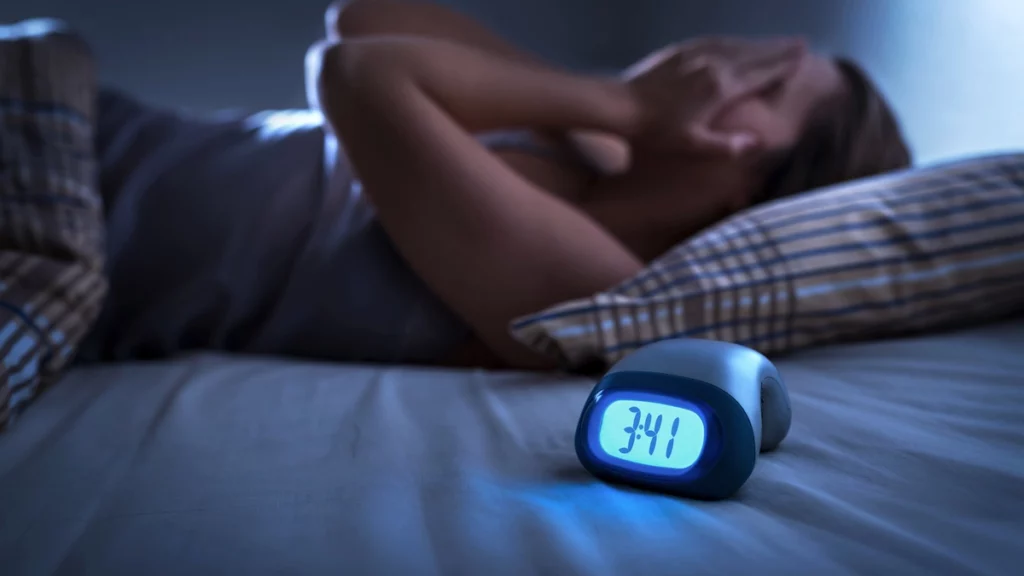
Sleep is one of the most fundamental needs of our mental and physical health. However, sleep disorders are among the common psychological and physiological problems that negatively affect a person’s quality of life and make daily functioning difficult. Many different problems such as insomnia, oversleeping, pauses in breathing during sleep or restless legs syndrome are evaluated under this heading. Sleep problems are not only a problem experienced at night; they can also show themselves through distractibility, low motivation, memory problems and emotional fluctuations during the day. Sleep disorders that continue for a long time in particular are also associated with psychological problems such as depression and anxiety. For this reason, getting the right support without ignoring the symptoms is of great importance.
What Are the Types of Sleep Disorders?
Sleep disorders are conditions that can appear in different forms and deeply affect people’s daily lives. One of the most commonly encountered types is insomnia, that is, sleeplessness. This shows itself through a person having difficulty falling asleep, waking frequently or waking very early in the morning. On the other hand, the condition called hypersomnia is characterised by a person being unable to feel rested despite sleeping more than normal. Another common sleep problem is known as sleep apnoea. It develops through the short-term stopping of breathing during sleep, and most of the time the person is not even aware of this. In addition, restless legs syndrome is also an important disorder that makes falling asleep at night difficult and disrupts a person’s sleep pattern. Nightmare disorders, night terrors and sleepwalking, on the other hand, are disorders evaluated more within the parasomnia group. Each sleep disorder gives rise to different symptoms and consequences. For this reason, making the correct diagnosis and developing a person-specific approach is very important. When left untreated, these problems can negatively affect not only sleep but also psychological balance, working life and social relationships.
The Psychological Causes of Sleep Disorders
Sleep disorders can arise not only from physiological causes but also from psychological factors. Intense stress, anxiety and mental fatigue experienced in daily life are among the most important factors that make falling asleep difficult. Anxiety disorders and depression in particular are among the psychological problems that directly affect sleep patterns. A person may be occupied with constant thoughts throughout the night, or may wake early in the morning and be unable to fall back asleep. Traumatic experiences, loss and grief processes can also leave negative effects on sleep. For example, nightmares, frequent waking and restless sleep are quite common in individuals experiencing post-traumatic stress disorder. Likewise, anger, guilt or intense worries also disrupt sleep quality. Ignoring psychological causes can lead to the problem becoming chronic. This is because a person experiencing a sleep disorder can, after a while, develop anxiety about not being able to sleep. This creates a vicious circle and increases the problem even more. At this point, getting professional support is very important both for understanding the underlying psychological factors and for establishing a healthy sleep pattern.
The Relationship Between Sleep Disorders and Anxiety
There is a strong relationship between sleep disorders and anxiety disorders. In people with high levels of anxiety, falling asleep becomes difficult, frequent waking throughout the night can be seen, and waking in the morning feeling unrested is common. Individuals experiencing generalised anxiety disorder in particular cannot maintain a healthy sleep pattern because of constant mental preoccupation and thoughts they cannot control. While anxiety lowers sleep quality, not being able to sleep enough also increases the level of anxiety. This mutual interaction tires the person both psychologically and physically. Research shows that long-term insomnia intensifies the symptoms of anxiety disorders and significantly lowers functioning in daily life. In addition, night-time waking and jolting awake from sleep with shortness of breath are frequently seen in people who experience panic attacks. This leads the person to develop a negative expectation towards sleep. Therefore, breaking the vicious circle between sleep disorders and anxiety is critically important for both sleep patterns and mental balance. Professional support helps to manage this cycle in a healthy way.
Diagnosis and Treatment Methods in Sleep Disorders
Because sleep disorders can arise from different causes from person to person, making the correct diagnosis is the most important step in the treatment process. In the first stage, the individual’s sleep pattern, lifestyle, psychological state and possible medical problems are assessed. Keeping a sleep diary or sleep tests such as polysomnography are among the methods that assist diagnosis. Treatment methods vary according to the type of disorder. If the problem is of psychological origin, cognitive behavioural therapy is a very effective method in sleep disorders. Thanks to this therapy, negative thoughts and anxieties about sleep are addressed, and healthy sleep habits are developed. Stress-management techniques, breathing exercises and relaxation practices are also supportive applications. In sleep problems linked to physiological causes, medical treatment, respiratory devices (especially in sleep apnoea) or medication support may be needed. However, medication treatment should usually be applied for a short time and under doctor supervision. It should not be forgotten that, in the treatment of sleep disorders, lifestyle changes and regular sleep-hygiene habits are at least as important as medical methods.
What Is Sleep Hygiene? Ways to Improve Sleep Quality
Sleep hygiene is the set of healthy habits applied regularly for quality sleep. For individuals who have difficulty falling asleep or who wake frequently, putting the rules of sleep hygiene into practice is very beneficial. First of all, going to bed at the same time every day and waking at the same time balances the body’s biological rhythm. This simple but effective step is a basic method for improving sleep quality. Before sleep, it is necessary to avoid heavy meals and the use of caffeine and nicotine. Looking at screens such as a phone, computer or television right before bed suppresses the brain’s secretion of melatonin and makes falling asleep difficult. Instead, relaxing activities — for example reading a light book, meditating or doing breathing exercises — make the transition to sleep easier. The sleep environment is also of great importance. Sleeping in a quiet, dark and cool room improves sleep quality. In addition, using the bed only for sleeping helps the mind associate the bed with sleep. When all these small steps are applied regularly, they contribute to a reduction in sleep problems and a more restful night’s sleep.
The Psychological Effects of Long-Term Insomnia
Long-term insomnia leads not only to physical fatigue but also to serious psychological problems. Attention deficit, difficulty focusing and memory problems are quite frequently seen in individuals who cannot get enough sleep. This causes a drop in performance both in working life and in social relationships. Insomnia is also a risk factor for mood disorders. Depression, anxiety and irritability (being easily angered) appear more intensely in people who have a long-term sleep problem. Research shows that chronic insomnia causes changes in brain chemistry and increases the level of stress hormones. In addition to these, individuals experiencing insomnia can feel more anxious, impatient and tense in their daily lives. Lack of sleep, by making emotional regulation difficult, causes even small problems to be experienced more intensely. Over time this reduces a person’s psychological resilience and can turn into a vicious circle. For this reason, long-term insomnia should not be ignored, and solutions should be sought with professional support.
Professional Support in Sleep Disorders with Online Therapy
Sleep disorders are problems that seriously lower quality of life and affect both physical and mental health. Rather than taking the symptoms lightly, it is important to take the right steps. If you are experiencing sleep problems and are struggling to cope with them, getting professional support can be of great benefit to you. I, Psychologist Nilay Özkan, with over 10 years of clinical and hospital experience, offer my clients online therapy services in areas such as depression, anxiety and sleep disorders. You too can begin the online therapy process to re-establish your own rhythm of life and attain a more restful and peaceful sleep pattern. 🌙 Healthy sleep is the foundation of a healthy life. 👉 To take the first step, you can get in touch with me.