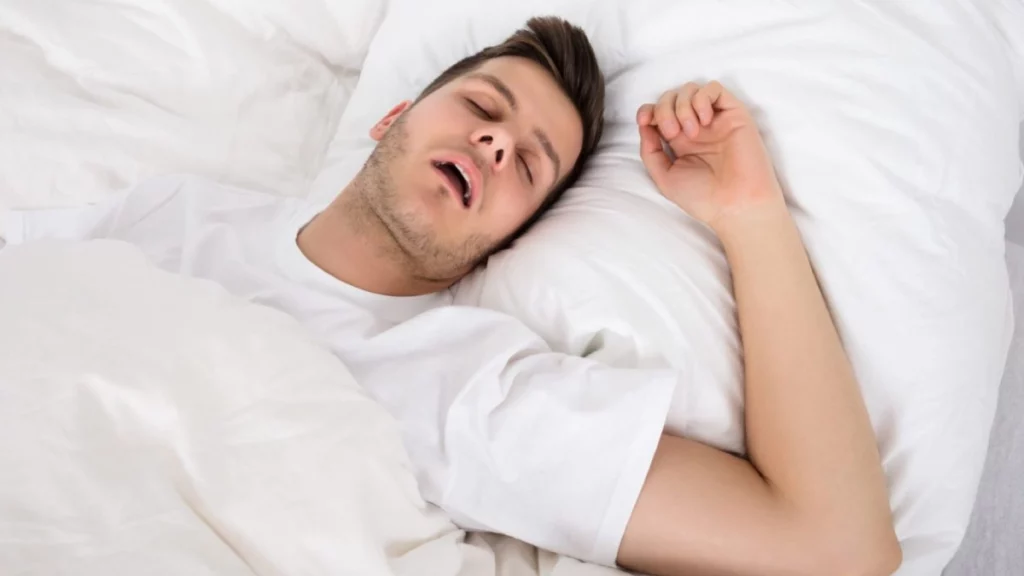
Sleep apnoea is a sleep disorder characterised by a person’s breathing repeatedly stopping during sleep. This leads to insufficient oxygen reaching the brain and body. The stopping of breathing for a few seconds, or sometimes for minutes, during sleep can recur many times throughout the night. As a result, the individual may wake up in the morning feeling unrested and may experience problems such as fatigue, difficulty concentrating and headaches throughout the day. Sleep apnoea should not simply be confused with a snoring problem. When left untreated, it can lay the ground for serious health problems such as heart disease, high blood pressure and depression. Along with a decline in sleep quality, it creates negative effects on both physical and psychological well-being. For this reason, it is very important to notice the symptoms of sleep apnoea and to get professional support at an early stage.
Why Does Sleep Apnoea Happen? The Most Common Risk Factors
Sleep apnoea usually arises as a result of the upper airway narrowing or becoming blocked during sleep. However, there is not a single cause of this condition; more than one biological, environmental and lifestyle factor can increase the risk of sleep apnoea. One of the most common causes is obesity. Fatty tissue that accumulates around the neck causes the airway to narrow, making the passage of air difficult during sleep. In addition, age, sex and genetic predisposition also play an important role; the incidence is higher especially in men over middle age. Physiological factors such as nasal congestion, enlarged tonsils or a narrow jaw structure also lay the ground for sleep apnoea. Furthermore, smoking, alcohol consumption and the use of sedative medications can contribute to blockage of the airway by reducing muscle tone. Besides this, in some people conditions such as allergic reactions or chronic sinusitis can also affect the airway and trigger apnoea episodes. Correctly identifying the causes of sleep apnoea is of great importance for creating a treatment plan. For this reason, it is recommended that people who experience symptoms such as night-time snoring, pauses in breathing or morning headaches definitely undergo a professional assessment.
What Are the Types of Sleep Apnoea? The Difference Between Obstructive and Central Sleep Apnoea
The types of sleep apnoea are basically examined under two main headings: obstructive sleep apnoea (OSA) and central sleep apnoea (CSA). In both conditions the person temporarily stops breathing during sleep, but the causes are different. The most common type, obstructive sleep apnoea, occurs as a result of the physical blockage of the upper airway. During sleep, the relaxation of the throat muscles narrows the airway and makes breathing difficult. This usually shows itself with symptoms such as snoring, pauses in breathing and waking with a feeling of choking. On the other hand, central sleep apnoea occurs as a result of the brain’s respiration-controlling centre being unable to send signals correctly. In this type, even though the airway is open, the brain temporarily cuts the command to breathe. Central apnoea is usually associated with heart disease, neurological disorders or the side effects of some medications. In some individuals, mixed sleep apnoea, in which both types are seen together, can also be observed. Correctly identifying the type of sleep apnoea is critically important in choosing the treatment approach. This is because obstructive sleep apnoea is usually managed with a CPAP device, weight control and lifestyle changes, while central apnoea is treated more by focusing on the underlying neurological or cardiological causes.
How Is Sleep Apnoea Treated? Lifestyle Changes and CPAP Use
The treatment of sleep apnoea varies depending on the type and severity of the apnoea. In mild cases, lifestyle changes are often recommended as the first step. Losing weight, exercising regularly, reducing alcohol and cigarette consumption, changing sleep position and paying attention to sleep hygiene can reduce the severity of obstructive sleep apnoea. In addition, supporting the position of the head and neck by using a pillow or special devices helps keep the airway open. In more serious cases, CPAP (Continuous Positive Airway Pressure) device treatment is applied. This device keeps the airway open by continuously applying positive pressure during sleep and prevents pauses in breathing. As an alternative, oral-dental appliances or surgical interventions may also be suitable for some patients. In central sleep apnoea, the treatment of the underlying cardiac or neurological problems is a priority, and if necessary special ventilation devices are used. In the treatment of sleep apnoea, early diagnosis and appropriate intervention play a critical role in preventing possible complications such as heart disease, high blood pressure and depression. With regular follow-up and doctor supervision, sleep quality and general quality of life can be significantly improved.
Sleep Apnoea and Its Psychological Effects: Anxiety, Depression and Sleep Quality
Sleep apnoea is not only a physiological problem; it can also directly affect psychological health. When breathing stops many times during sleep, a person cannot get quality sleep throughout the night, and this leads to excessive daytime fatigue, difficulty concentrating and irritability. Long-term sleep deprivation can increase the risk of anxiety and depression. Depression in particular can both worsen the symptoms and make the treatment process more difficult in individuals with sleep apnoea. Sleep apnoea also, through the deterioration of sleep quality, causes disruptions in social relationships, work performance and daily life activities. Because the person constantly feels tired, their motivation drops, their capacity to cope with stress decreases and their mood can become unstable. At this point, with psychological support and, when necessary, online psychologist support, both the mental health and the quality of life of sleep apnoea patients can be improved. The psychological effects should not be ignored; sleep apnoea requires a holistic assessment and intervention in terms of both physical and mental health. Early diagnosis and treatment play a critical role in preventing both physical and psychological complications.
In Whom Is Sleep Apnoea More Common? Risk Groups
Sleep apnoea is seen more frequently in some people and is associated with various risk factors. The most common risk group is overweight or obese individuals. Excess fatty tissue around the neck narrows the upper airway and increases the risk of obstructive sleep apnoea. Sleep apnoea is more common in men, especially in men of middle age and above; in women, the risk can increase after menopause. Other risk factors include smoking and alcohol use, genetic predisposition, nasal congestion, and anatomical differences such as large tonsils or adenoids. In addition, some medical conditions such as heart failure, hypertension and neurological diseases can also facilitate the development of central sleep apnoea. Stress, an irregular sleep schedule and inadequate sleep hygiene can also increase existing risk. People in the sleep apnoea risk group should undergo a regular sleep assessment before symptoms appear. Early diagnosis, by enabling treatment to begin early, provides long-term benefit for both physical and psychological health.
Sleep Apnoea and Heart Health: Hypertension and Cardiovascular Risks
Sleep apnoea not only leads to pauses in breathing during sleep, but can also seriously affect heart health. Obstructive sleep apnoea in particular creates an extra load on the heart because of repeated drops in oxygen and interruptions to sleep. This increases the risk of hypertension, arrhythmia and, in the long term, heart failure. The fluctuations in oxygen experienced during sleep trigger the process of arterial stiffening and inflammation, laying the ground for the development of cardiovascular problems. Research shows that the risk of stroke, heart attack and sudden cardiac death is markedly elevated in individuals whose sleep apnoea is untreated. For this reason, it is extremely important that people with high blood pressure or heart disease are assessed for symptoms of sleep apnoea. Early diagnosis and appropriate treatment not only protect heart health but also improve quality of life. The relationship between sleep apnoea and cardiovascular risks should not be ignored. With regular doctor check-ups, lifestyle changes and the necessary device or medical treatments, both sleep quality and heart health can be improved.
Surgical and Alternative Methods in the Treatment of Sleep Apnoea
Surgical and alternative methods in the treatment of sleep apnoea come onto the agenda especially in cases where sufficient results cannot be obtained with CPAP or oral appliances. Surgical interventions aim to correct anatomical obstacles in the upper airway. For example, removing adenoids or large tonsils, shortening the soft palate (uvulopalatopharyngoplasty) or operations to relieve nasal congestion can reduce the symptoms of sleep apnoea. Surgical methods are chosen according to the patient’s age, health status and the severity of the apnoea. Among the alternative methods are intraoral devices, positional therapy and lifestyle changes. Intraoral devices keep the airway open by changing the position of the jaw and tongue. Positional therapy reduces the apnoea episodes that arise while lying on the back by encouraging sleeping on the side. In addition, changes such as weight control, limiting alcohol and cigarette use, regular exercise and sleep hygiene increase the effectiveness of alternative treatment. In the application of these methods, cooperation between the specialist physician and the dentist is important. Both surgical and alternative treatments contribute to the reduction of daytime fatigue, concentration problems and psychological effects by improving sleep quality.
Sleep Apnoea and Online Therapy: Improving Quality of Life with Psychological Support
Sleep apnoea, alongside its physical symptoms, can also lower quality of life through its psychological effects. Excessive daytime fatigue, difficulty concentrating, irritability and depressive moods are problems frequently seen in individuals who experience sleep apnoea. At this point, online therapy offers the person professional support in the comfort of home, enabling them both to reduce stress and anxiety and to cope with the psychological problems associated with sleep apnoea. Online therapy sessions help the individual review their sleep schedule, learn stress-management techniques and apply lifestyle changes. At the same time, it is an effective method for coping with the anxiety and depression symptoms that sleep apnoea can cause. During therapy, sleep hygiene, stress management and daily routine arrangements are supported with cognitive behavioural techniques. In the treatment of sleep apnoea, psychological support is as critically important as physical methods. Online therapy, while improving the quality of life of individuals who experience sleep apnoea, also supports the effectiveness of physical treatments. In this way, both body and mind health are protected in a holistic manner.