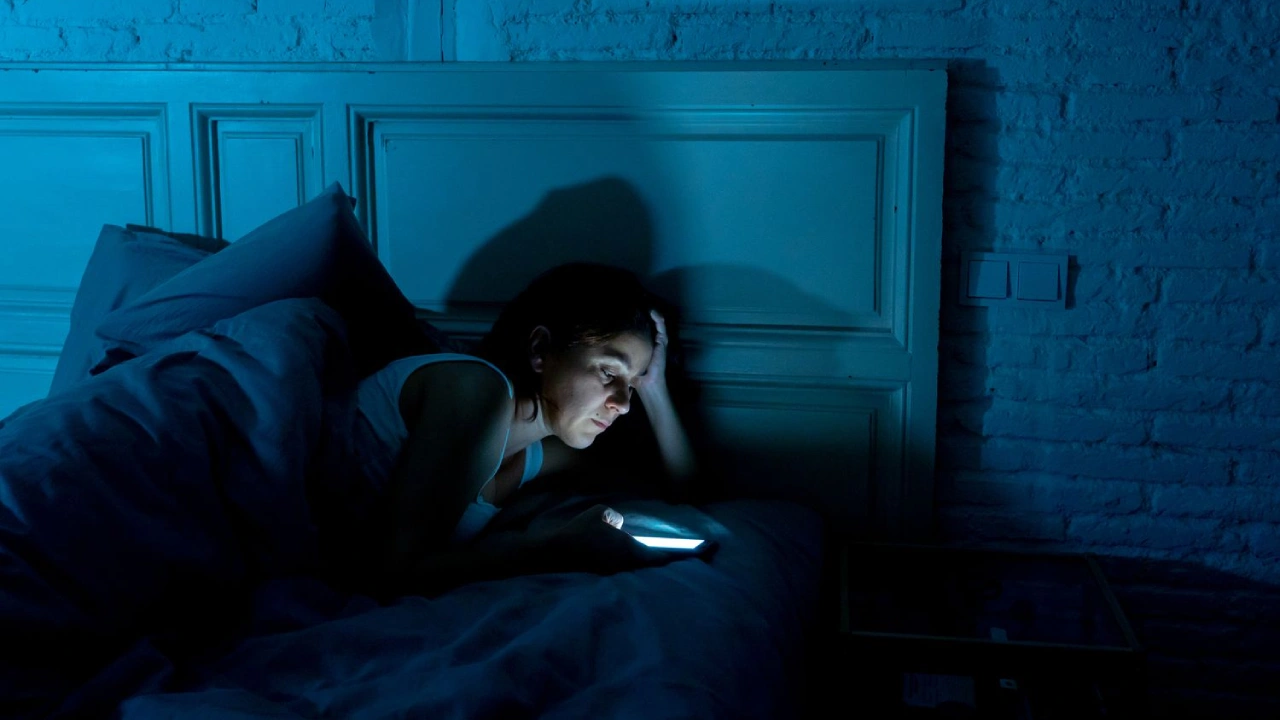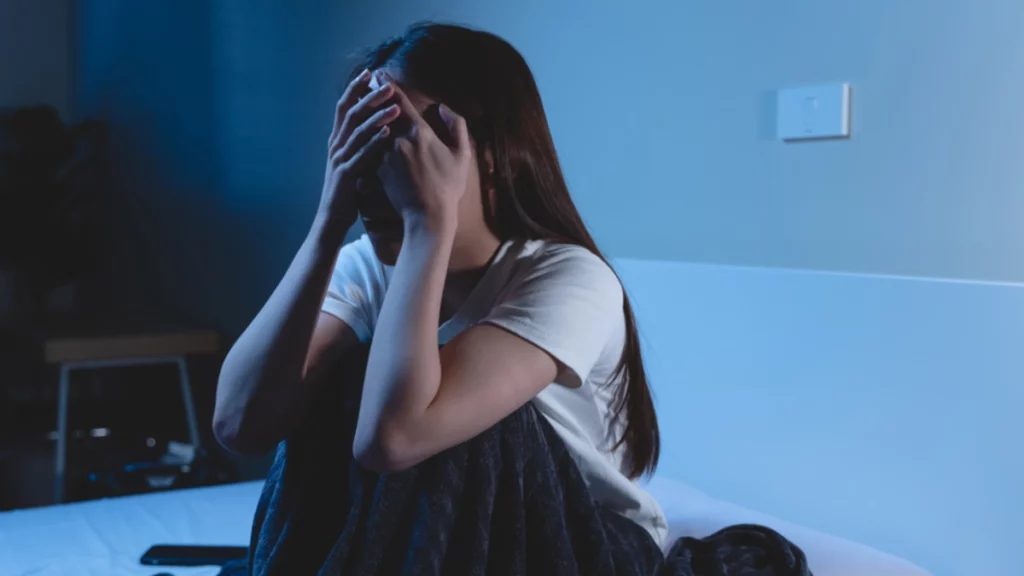

A night terror is a type of sleep disorder that is especially common in childhood but can also appear in adults. Medically classed within the group of parasomnias, this condition shows itself through intense fear, screaming, panic or sudden waking during sleep. The person usually does not remember the episode and cannot clearly recall what happened the following morning. Night terrors can affect both the person’s sleep quality and the peace of those around them. They usually occur not during the dreaming phase, but in the early stages of deep sleep. For this reason they are different from ordinary nightmares. Stress, anxiety, sleep irregularities or traumatic experiences can trigger night terrors. If you have noticed such symptoms in your child or in yourself, it is important to seek professional support to understand whether the situation is temporary or has become a chronic sleep disorder.
Why Do Night Terrors Happen? The Most Common Triggers
Night terrors, although usually seen in children, are a complex sleep disorder that can also appear in adults. Although the exact cause of this condition is not fully known, many biological, psychological and environmental factors are thought to play a role. The disruption of the sleep pattern and increased levels of stress and anxiety in particular are the main factors that trigger night terrors. One of the most common causes of night terrors in children is that the nervous system has not yet fully matured. During development, the brain can experience difficulty transitioning between sleep stages, and this can lead to sudden fear responses. In adults, factors such as traumatic experiences, intense work stress, alcohol or medication use, and emotional exhaustion can bring on night terrors. In addition, other types of parasomnia such as sleep apnoea, feverish illnesses or sleepwalking can also trigger night terrors. Disrupted sleep hygiene, going to bed at irregular hours or being sleep-deprived are also among the risk factors. For these reasons, in people who experience night terrors, sleep pattern, stress level and lifestyle habits should first be evaluated in detail. Identifying triggers noticed early can reduce the intensity of night terrors and help restore sleep quality.
What Is the Difference Between a Night Terror and a Nightmare?
Night terrors and nightmares, although both are situations that cause feelings of fear and panic during sleep, are quite different from each other. Nightmares usually occur during the REM sleep phase, and when the person wakes up they can remember the dream. Night terrors, on the other hand, arise during the deep sleep phase (NREM); the person usually wakes up screaming, sweating or in a panic, but does not remember what happened. Someone experiencing a nightmare wakes from a fear-filled dream and is fully conscious. During a night terror, however, although the person seems to have woken up, they are in fact half asleep. For this reason they may not respond to those around them, may say meaningless sentences when they speak, and may remember nothing when they wake in the morning. Night terrors are an experience that deeply affects both the person and the family members they live with. Nightmares are usually a reflection of temporary stress, anxiety or intense emotions experienced during the day. Night terrors, on the other hand, are more related to neurophysiological processes and, when they become recurrent, are evaluated as a sleep disorder. Knowing these differences is very important for determining the right approach and, where necessary, seeking professional support.
Symptoms of Night Terrors in Children and Advice for Parents
Night terrors in children are usually seen between the ages of 3 and 12 and can be quite worrying for parents. A short time after falling asleep, the child may suddenly get up screaming, cry, sweat or appear to be in a panic with their eyes open. However, at this time they are not fully awake and do not remember what happened when morning comes. This situation is quite different from ordinary nightmares. In children experiencing a night terror, the heartbeat speeds up, breathing becomes irregular and an intense fear response is observed. Trying to wake the child at these moments usually does not work; on the contrary, it can cause more fear. The most appropriate approach for parents is to keep the child safe and calmly stay by their side. In cases where night terrors recur frequently, the sleep pattern should be reviewed. Factors such as lack of sleep, stress, feverish illnesses, or noise and light in the sleep environment can trigger the situation. Ensuring the child has regular sleep hours, staying away from screens before bed and helping them develop relaxation habits can reduce episodes. If night terrors are becoming more frequent or beginning to affect the child’s daily life, support should be sought from an expert psychologist or a therapist experienced in childhood sleep disorders. Early intervention improves the sleep quality of both the child and the parents.
Night Terrors in Adults: The Effect of Stress and Trauma
Night terrors in adults, although less common than in childhood, are usually associated with intense stress, traumatic experiences or anxiety disorders when they do appear. This condition shows itself when the person suddenly wakes with a fear response during the deep sleep phase, screams, sweats or behaves in a panic. Most of the time the person does not remember what happened and only feels physically tired when they get up in the morning. Among the triggers of night terrors in adults are post-traumatic stress disorder (PTSD), work stress, being under emotional pressure or suppressed emotions. In such situations, the systems in the brain that manage the perception of safety and threat become overactive, and the sense of “danger” continues even during sleep. This causes the person to give a physical fear response. In addition, sleep apnoea, alcohol use, certain medications or irregular sleep hours can also trigger night terrors. Especially during stressful periods, the body’s inability to relax can increase the frequency of these episodes. For this reason, when night terrors occur in adults, both psychological and physiological factors need to be evaluated together. A professional psychotherapy process is very important for managing stress and processing traumatic experiences. Approaches such as Cognitive behavioural therapy (CBT) can help reduce night terrors by improving the person’s sleep quality.
How Do You Maintain Sleep Hygiene to Prevent Night Terrors?
One of the most effective ways of preventing night terrors is to create a quality sleep routine. Sleep hygiene is not only about sleep hours; it also covers mental and physical relaxation habits. Even small changes made in daily life can significantly reduce the frequency and intensity of night terror episodes. First of all, going to bed and getting up at the same time every day regulates the body’s biological rhythm. Staying away from screens before sleep, and in particular reducing exposure to blue light, makes it easier to fall asleep by increasing the brain’s secretion of melatonin. In addition, a quiet, dark and cool bedroom improves sleep quality. Caffeine and alcohol consumption should be limited, especially in the evening hours, because these substances disrupt the deep stages of sleep. To support mental relaxation, breathing exercises, meditation or mindfulness therapy practices can be effective. These techniques both lower stress levels and reduce the anxiety that triggers night terrors. Doing daily exercise is also important, but avoid intense physical activity right before bed. Regular sleep hygiene helps bring night terrors under control while also improving overall mental balance and quality of life. Arranging your sleep routine according to your personal needs provides lasting improvement in the long term.
When Should You Seek Expert Help for Night Terrors?
Night terrors are usually a short-term and temporary condition, but in some cases they can be a sign of underlying serious psychological or neurological problems. In particular, if episodes are becoming more frequent, the person’s sleep pattern is disrupted or daytime functioning is affected, the time has come to seek professional support. If night terrors in children recur several times a week or last a long time despite the parent’s intervention, they should be evaluated by a child psychologist or a therapist specialising in sleep disorders. In adults, if night terrors are accompanied by a traumatic past, intense stress, depression or an anxiety disorder, the situation ceases to be merely a sleep problem and requires therapeutic support. Cognitive behavioural therapy (CBT), stress management work and emotional awareness techniques help you understand the psychological causes underlying night terrors. In addition, when needed, a holistic approach carried out together with medication treatment by a psychiatrist gives the most effective results. It should not be forgotten that seeking professional help not only reduces symptoms; it also strengthens the person’s sleep quality, emotional resilience and life balance. Early intervention is the safest way to prevent night terrors from becoming chronic.
Get Professional Support to Cope With Night Terrors
Night terrors are a sleep disorder that affects both a person’s physical and mental balance and lowers their quality of life. Sometimes they arise as a result of stress, anxiety or suppressed emotions, and over time they can create deeper psychological effects. For this reason, they should not be seen merely as “a temporary situation”; the underlying causes should be addressed with a professional perspective. I, Psychologist Nilay Özkan, with more than 10 years of clinical experience, support my patients experiencing night terrors in the online therapy process in the areas of stress management, developing emotional awareness and restructuring their sleep pattern.