
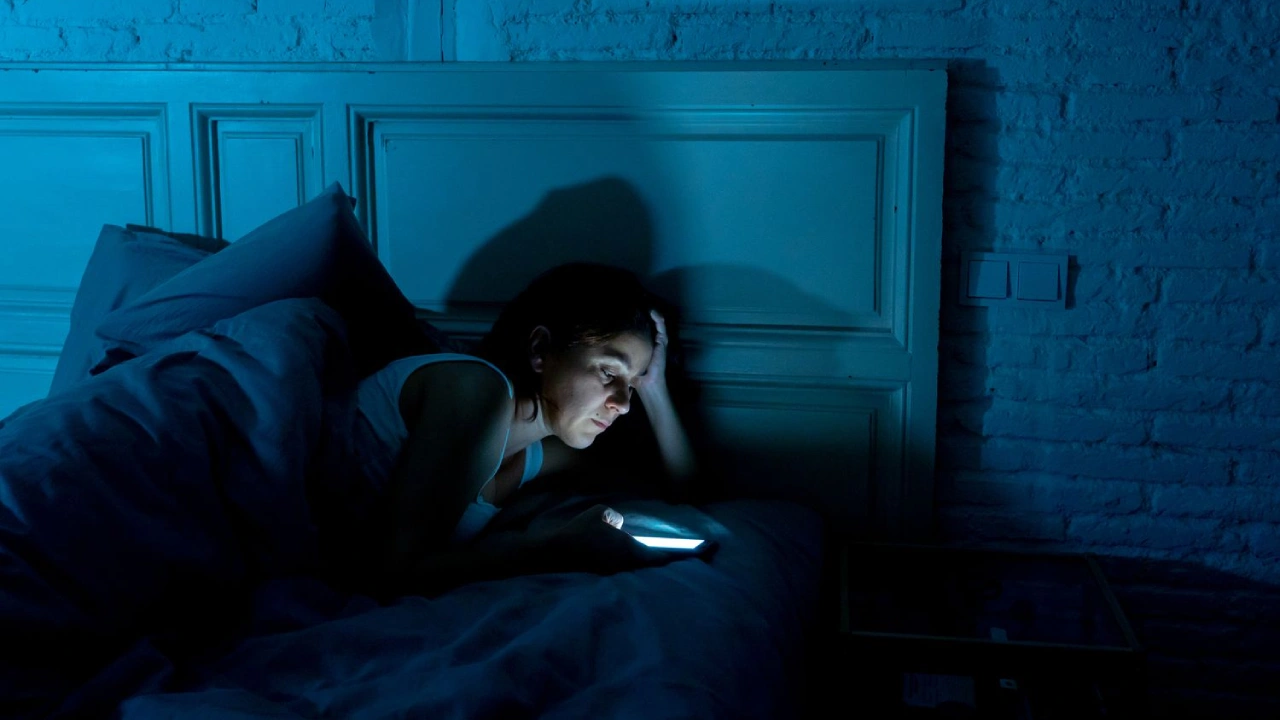
Bedtime procrastination means delaying going to bed despite having the opportunity to sleep and no important external reason to remain awake. You may know that you need to get up early, yet watch another episode, continue scrolling, play a game or find small household tasks to complete. Sleep matters to you, but the thought “just a few more minutes” repeatedly extends the night.
This behaviour is not adequately explained by laziness or a lack of concern about health. Someone who has little personal time during the day, feels controlled by competing demands or is mentally exhausted may experience late evening as their only period of freedom. The popular phrase revenge bedtime procrastination describes an attempt to reclaim from the night the time that did not feel personally available during the day. The trade-off is that the extra leisure can lead to fatigue, reduced concentration and weaker self-control the following day.
What Are the Signs of Bedtime Procrastination?
Going to bed late occasionally is normal. The pattern becomes relevant when it recurs, reduces a genuine opportunity for adequate sleep and affects the next day. Common signs include:
- Delaying bed even when you feel sleepy
- Planning to check your phone for five minutes and remaining there much longer
- Regretting the decision the next morning but repeating it that night
- Continuing an activity even though it is no longer particularly enjoyable
- Starting unimportant tasks instead of beginning the bedtime routine
- Watching videos, reading news or scrolling after getting into bed
- Accumulating sleep debt on weekdays and sleeping much longer at weekends
- Struggling to wake, feeling sleepy during the day or relying heavily on caffeine
- Feeling more peaceful, autonomous or like yourself late at night
- Creating an unrealistically strict sleep plan and abandoning it quickly
Bedtime procrastination is not the same as insomnia. With insomnia, a person wants to sleep and gives themselves a chance to do so but struggles to fall asleep or remain asleep. In bedtime procrastination, much of the delay happens before the person goes to bed or tries to sleep. The two can coexist: someone may postpone bedtime and then also have difficulty falling asleep. Persistent problems may need assessment for an underlying sleep disorder.
Why Do People Delay Sleep?
There is rarely one cause. Daily structure, habits, stress and environmental cues can combine to maintain the behaviour. For someone whose day is directed by work, caring responsibilities or other people’s needs, the night may feel like the only time when they control what happens. Going to bed means ending that personal time, so closing the day can feel difficult even when the body is tired.
Mental depletion matters too. Making many decisions and regulating impulses throughout the day can make it harder to follow an evening plan. A person experiencing decision fatigue may abandon an intended bedtime for whatever offers the easiest immediate reward. Infinite feeds, autoplay and notifications remove natural stopping points, which means the decision to stop must be made over and over again.
Stress and anxiety can also extend the evening. Going to bed may mean being alone with thoughts that were pushed aside during a busy day. Some people use a screen to avoid that quiet. Others delay closing today because they do not want tomorrow to begin. When this pattern recurs, it is useful to look beyond the phone and ask which needs for rest, autonomy or emotional processing have not been met during the day.
How Does Phone Use Maintain the Cycle?
A phone is not necessarily the original cause, but it is exceptionally effective at prolonging the pattern. Short videos, messages and news feeds offer rapid and variable rewards. Because the content has no natural endpoint, “one last post” can be repeated indefinitely. As the hour gets later, fatigue increases; as fatigue increases, the self-control needed to disengage may become weaker.
Online content can also raise emotional arousal. An argument, work message or alarming headline activates the mind just as it was beginning to settle. Doomscrolling in particular can delay bedtime while exposing the person to a stream of threatening information. Light exposure may influence sleep timing, but the issue is not only “blue light.” The emotional stimulation, repeated checking and displacement of a calming routine also matter.
This helps explain why switching a screen to night mode may not solve the whole problem. The display can look warmer while the content remains compelling. A more useful question is: “What makes me continue, and what would provide a clear stopping point?” The answer may involve the design of an app, fear of missing out, avoidance of difficult thoughts or a real need for enjoyable personal time.
Psychological and Physical Effects
One short night usually causes temporary tiredness. When it becomes a regular pattern, insufficient sleep can make attention, working memory, reaction time and emotional regulation more difficult. A person may become impatient, perceive small problems as more threatening or struggle to start tasks. Poor sleep can form a reciprocal cycle with anxiety and low mood: a difficult day increases the desire to escape at night, and a late night makes the following day more difficult.
Sleep loss can affect work or academic performance, driving safety and patience in relationships. A person may compensate with caffeine, naps or very long weekend sleep, which can further destabilise their schedule. Persistent insufficient sleep also matters for physical health. The point is not to become frightened by a single late night, but to recognise a repeated pattern that routinely gives the body less sleep than it needs.
The cycle can create shame as well. Each morning, the person promises to be more disciplined; each evening, the same unmet needs and cues return. Treating this as a moral failure often increases stress without changing the environment that maintains the behaviour. Curiosity tends to be more useful: When does the delay begin? What feeling appears when it is time to stop? What does staying awake provide in the short term?
How Can You Stop Revenge Bedtime Procrastination?
Simply promising to “have more willpower” is rarely enough. Effective change reduces the number of decisions required late at night and makes the transition to sleep easier.
Choose a realistic bedtime. If you currently sleep at 1:30 a.m., suddenly imposing a 10:30 p.m. bedtime may not last. Moving bedtime earlier by 15–30 minutes every few nights can be more workable. A reasonably consistent waking time also supports the body’s sleep rhythm.
Move personal time earlier. If the night is meeting a need for rest or freedom, protect a small period during the day. A phone-free break, brief walk, music or another enjoyable activity can reduce the feeling that “none of today belonged to me.” Even a short protected interval can matter when it is genuinely yours.
Set a closing alarm. An alarm does not have to be only for waking. Use one to signal the beginning of shutdown: dim the lights, wash your face and prepare what you need for tomorrow. This is not a command to fall asleep instantly. It is a cue that ends one part of the day and starts a short, predictable transition.
Change the friction. Charge the phone outside the bedroom, turn off autoplay, silence nonessential notifications or use an app timer. These changes add a small obstacle to continuing. At the same time, make the desired action easier by preparing sleepwear, placing a book by the bed or lowering the lights in advance.
Create a defined endpoint. Choose content with a boundary: one episode with autoplay disabled, one chapter or a playlist of a fixed length. “I will stop when I feel like it” is difficult when an exhausted brain is receiving continual rewards. A visible endpoint removes some negotiation.
Avoid all-or-nothing thinking. One disrupted night does not invalidate the plan. Trying to compensate with an extremely early bedtime may leave you awake and frustrated. Return to the usual routine the next evening. Progress is better measured by a gradual reduction in the frequency and length of delays than by a perfect streak.
When Should You Seek Professional Help?
Consider speaking with a healthcare professional when bedtime procrastination has continued for weeks, significantly affects daytime functioning or does not improve despite reasonable changes. Loud snoring, pauses in breathing during sleep, restless legs, extreme daytime sleepiness or drowsiness while driving require medical attention rather than a self-help sleep routine alone.
Anxiety, depression, ADHD symptoms or severe stress may contribute to the pattern. In that case, focusing only on bedtime can overlook the underlying need. Psychotherapy can help examine avoidance, boundaries, daily overload and the thoughts that make ending the day difficult. The aim is not to control every evening with punitive rules. It is to build a sustainable rhythm that includes genuine rest during the day and makes responding to the body’s need for sleep easier at night.