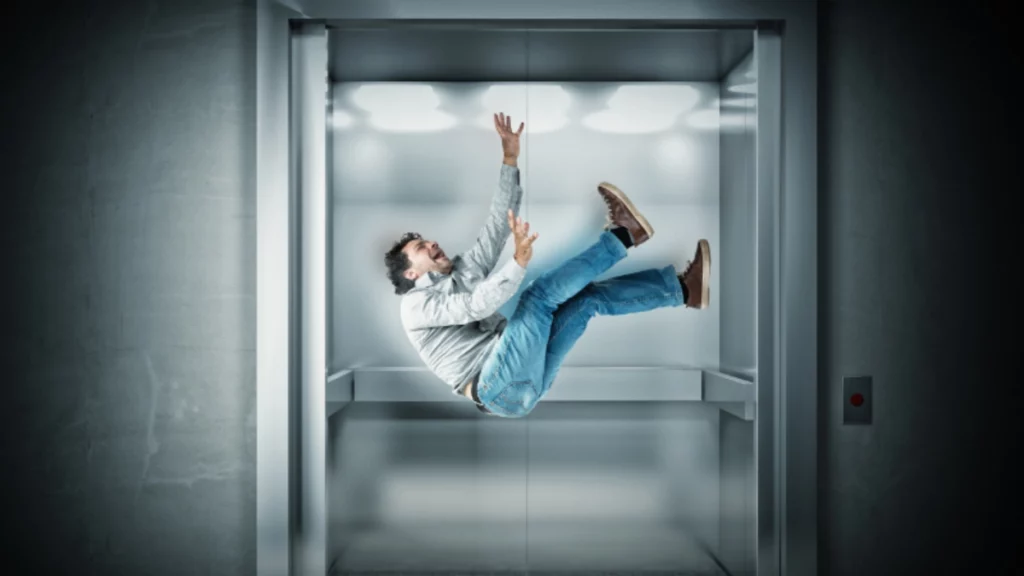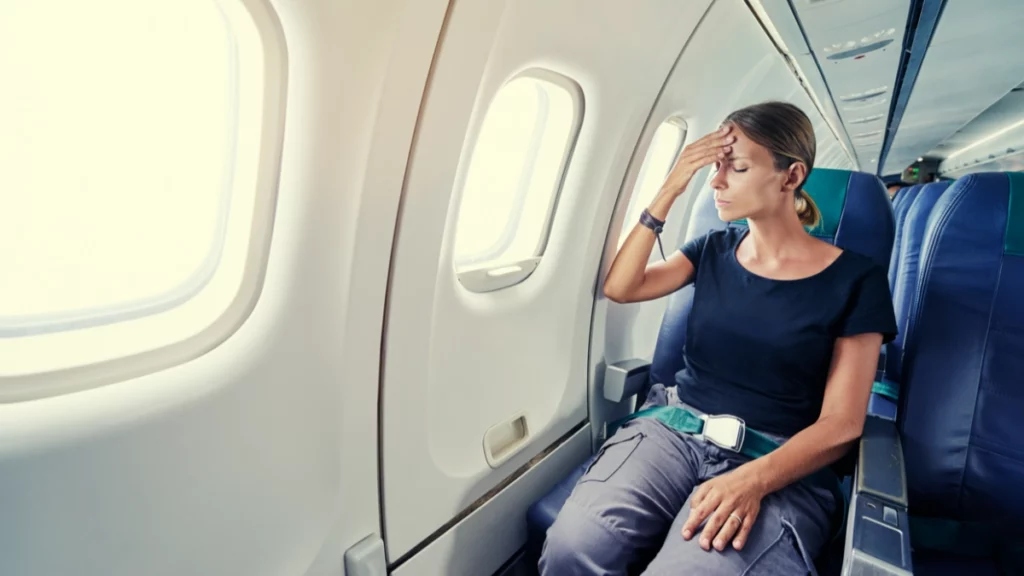

A panic attack is a condition that begins suddenly and appears with an intense feeling of fear or anxiety. Most of the time the person thinks they will lose control, have a heart attack or faint. During an attack the physical symptoms are quite intense; symptoms such as palpitations, shortness of breath, sweating, trembling and chest pain increase the anxiety the person feels even further. Someone who has a panic attack may start to experience restrictions in their daily life because of this severe experience. A panic attack is not limited to physical symptoms alone; it also affects the person’s mental processes and emotional state. As a result of frequently recurring attacks, the thought “what if it happens again” emerges, and this prepares the ground for the development of panic disorder. The person may begin to avoid certain settings, and their social life may gradually narrow. When it is not handled with the right methods, a panic attack can turn into a problem that seriously lowers quality of life.
Why Do Panic Attacks Happen?
A panic attack is usually described as a sudden episode of intense fear, and it is most often triggered when the person feels under threat. Although the causes of this condition are complex, both biological and psychological factors play a role. An imbalance of neurotransmitters in the brain such as serotonin and norepinephrine can form the biological basis of a panic attack. In addition, a hereditary predisposition also increases the risk of developing panic disorder. From a psychological perspective, intense stress, traumatic experiences and suppressed emotions are among the most common triggers of panic attacks. For example, loss, work stress, family conflicts or traumas experienced in childhood can pave the way for a panic attack. Alongside this, in some people a panic attack can also develop in connection with certain phobias or social anxieties. Environmental factors also have an important role in the emergence of panic attacks. A fast pace of life, irregular sleep, excessive caffeine consumption and intense work stress can increase the frequency of attacks. In short, a panic attack is not tied to a single cause; it arises from a combination of biological, psychological and environmental factors. Understanding the underlying causes of the problem is critically important for an effective treatment process.
What Are the Symptoms of a Panic Attack?
Panic attacks are episodes that cause a person to feel fear suddenly and intensely, and they show themselves through both physical and mental symptoms. Among the most common physical symptoms are palpitations, shortness of breath, sweating, trembling, dizziness and chest pain. Some people may confuse these symptoms with a heart attack; for this reason the fear experienced during a panic attack is quite intense. Mental symptoms also appear during an attack. The person feels excessive anxiety with the thought that they will lose control, faint or go mad. Thoughts such as “When will this end?” or “What if it happens again?” increase the person’s stress even more throughout the attack. The frequency and severity of panic attacks vary from person to person; while some people experience them several times a week, others may rarely have them. Another important feature of a panic attack is that it creates anticipatory anxiety. After the first attack, the person may avoid certain settings out of fear of having a panic attack and may restrict their daily life. In the long term this can lead to social isolation and a decline in quality of life. Correctly understanding the symptoms of a panic attack and receiving professional support in time is critically important for both the physical and psychological health of the person.
The Differences Between Panic Attacks and Anxiety
Panic attacks and anxiety are often confused with each other, but they are actually different processes. A panic attack is usually a short-lived episode that appears suddenly and intensely. During these attacks the person experiences physical symptoms such as intense fear, palpitations, shortness of breath and chest pain. The attack usually lasts 10–20 minutes, and afterwards the person feels tired and drained. Anxiety, on the other hand, is a longer-lasting and continuous state of worry. People with high anxiety focus constantly on worries about the future and on negative scenarios. The physical symptoms are milder and more persistent than in a panic attack; for example, muscle tension, restlessness and sleep problems are common. Anxiety can trigger a panic attack or can occur together with panic disorder. Understanding the difference between panic attacks and anxiety is critically important in determining the right treatment approach. Knowing that panic attacks are short, intense episodes, while anxiety is a continuous and generalised state of worry, helps both the person to know themselves and a plan for psychological support to be created. For this reason, having the symptoms assessed with a professional eye is of great importance.
How Is a Panic Attack Diagnosed?
A panic attack diagnosis is usually made through a clinical assessment and a detailed examination of the symptoms the person experiences. While taking the patient’s history, the psychologist or psychiatrist analyses the frequency and severity of the attacks and the situations that trigger them. During this process, if necessary, some tests may also be carried out by doctors to make sure that the physical symptoms are not caused by another medical condition. One of the most commonly used criteria in making a diagnosis is the DSM-5 (Diagnostic and Statistical Manual of Mental Disorders). According to these criteria, recurrent panic attacks, together with the persistent anxiety and anticipatory disturbance that develop after at least one of them, form the basis of a panic disorder diagnosis. In addition, if the person shows behavioural changes after an attack — for example, avoiding certain places — this also supports the diagnosis. An accurate diagnosis is the first step of an effective treatment process, because panic attacks need to be distinguished from other anxiety disorders or from cardiovascular and respiratory problems. Receiving professional support during the diagnostic process allows the person both to understand their attacks and to develop appropriate therapy and coping strategies.
What Are the Treatment Methods for Panic Attacks?
Panic attack treatment usually requires a personalised and multidimensional approach. One of the most effective methods is cognitive behavioural therapy (CBT). This therapy enables the person to notice the negative thoughts and beliefs they experience during a panic attack and to learn to manage them. For example, by working on thoughts such as “My heart will stop” or “I’m going to faint”, the intensity of the anxiety is reduced. Medication can also be used in a supportive role in some cases. In particular, SSRIs and some anti-anxiety medications are effective in reducing the frequency and severity of panic attacks. However, medication must always be used under expert supervision and on a short- or medium-term basis. In addition, breathing exercises, relaxation techniques and regular physical activity help to ease the physical symptoms during an attack. In short, applying psychological support, medication and lifestyle changes together gives the most successful results in panic attack treatment. Regular follow-up and personalised planning make it possible to bring the attacks under control and to improve quality of life.
Ways to Cope with Panic Attacks
Panic attacks can make daily life difficult as intense and sudden episodes of fear; however, with certain coping methods their severity can be reduced and their impact brought under control. The first step is to understand that a panic attack is not a danger but a temporary state. This awareness makes it easier for the person to manage the feeling of panic during an attack. Deep, controlled breathing techniques are quite effective in reducing the physical symptoms of a panic attack. Breathing rapidly during an attack increases the palpitations and dizziness; for this reason, breathing slowly and steadily helps the person to calm down. In addition, relaxation exercises and muscle-relaxation techniques strengthen the person’s sense of control by reducing physical anxiety. Cognitive methods are also important in coping with panic attacks. The person can notice their negative thoughts and replace them with more realistic and controlled ones. In daily life, stress management, regular sleep, a balanced diet and physical activity are further methods that reduce the frequency and severity of panic attacks. Applying these strategies regularly minimises the effects of panic attacks on life and enables the person to carry on with their daily life with confidence.
Professional Support for Panic Attacks with Online Therapy
A panic attack is a problem that seriously affects quality of life and has both physical and psychological dimensions. The severity and frequency of attacks can restrict your daily life and negatively affect your social relationships. For this reason, it is very important to seek professional support without ignoring the symptoms. I, Psychologist Nilay Özkan, with more than 10 years of clinical and hospital experience, offer online therapy to my clients in the areas of panic attacks, anxiety and other anxiety disorders. You too can begin the online therapy process in order to cope more effectively with panic attacks, improve your quality of life and take back control. 🌿 Take the first step towards managing panic attacks and living a more peaceful life. 👉 You can start online therapy right away by getting in touch with me.