
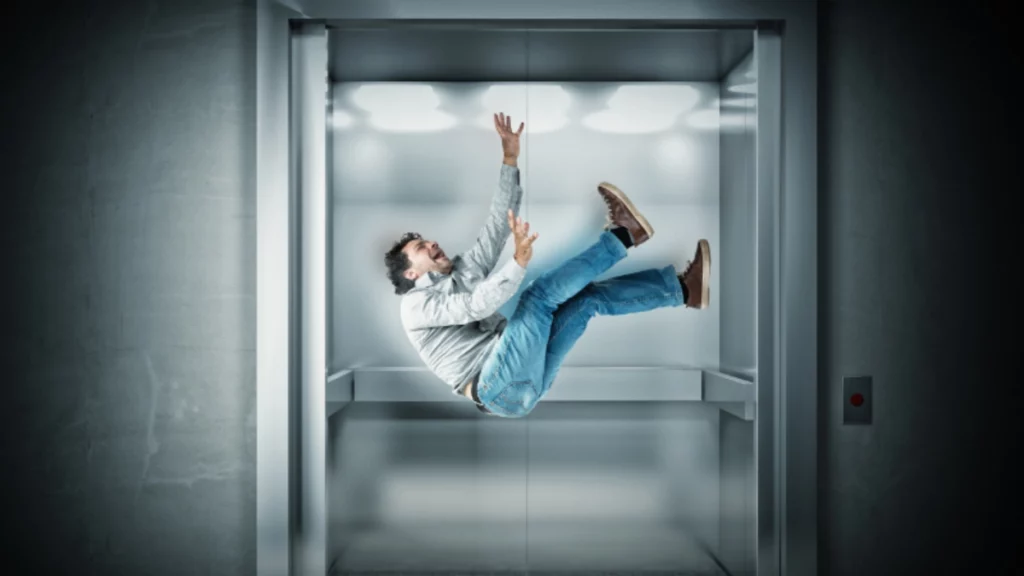
Elevator phobia is a specific phobia that arises when a person experiences intense fear, anxiety and avoidance behaviour at the thought of getting into an elevator. Elevators, which are frequently used in daily life, can become a serious source of stress for people with this phobia. The person may avoid getting into elevators, prefer alternative routes, or, when forced to get in, experience intense symptoms of panic. This phobia is not limited to a fear of enclosed spaces alone. Loss of control, the thought of being stuck in the elevator, the fear of being unable to breathe, or a previous negative experience can trigger elevator phobia. Over time, this can negatively affect a person’s social life, work life and general quality of life.
What Causes Elevator Phobia?
Elevator phobia usually does not arise from a single cause; most of the time it develops through a combination of several psychological and environmental factors. One of the most common causes is a traumatic elevator experience in the past. A memory of being stuck in an elevator, a sudden stop, the lights going out, or a moment of intense panic can lead to the perception of “danger” becoming established in the mind. Another important cause is the fear of losing control. Because elevators are enclosed spaces that move outside the person’s control, this can be perceived as a threat, especially in individuals with high levels of anxiety. The person may develop catastrophising thoughts such as “what if I can’t get out,” “what if I can’t breathe,” or “what if help doesn’t come.” Over time, these thoughts lead to the reinforcement of elevator phobia. In addition, elevator phobia is seen more frequently in people with a history of generalised anxiety disorder, panic attacks or another specific phobia. The brain can generalise a previously learned fear response to a new but similar situation. In some people, parental fears observed during childhood or environmental learning can form the basis of this phobia. In short, among the causes of elevator phobia, traumatic experiences, a sense of losing control, anxiety disorders and learned fears hold an important place. Becoming aware of these causes is the first and most important step in the process of coping with the phobia.
What Are the Signs of Elevator Phobia?
Elevator phobia can show itself through intense symptoms that appear not only at the moment of getting into an elevator but often even at the thought of one. These symptoms are seen at the physical, emotional and behavioural levels. The person may experience a fear they cannot control even as they approach an elevator. Among the most common physical symptoms are heart palpitations, shortness of breath, a feeling of tightness in the chest, sweating, dizziness and nausea. In some people, trembling, numbness or a feeling of being about to faint may also accompany these. These symptoms are often experienced in a way similar to a panic attack and can be quite frightening for the person. At the emotional level, intense fear, helplessness and a sense of losing control come to the fore. The person may be caught up in the thought that “if I get stuck in the elevator, something bad will happen to me.” These catastrophising thoughts cause the signs of elevator phobia to intensify even further. Among the behavioural signs are avoiding elevators entirely, using the stairs to avoid going up to higher floors, or being restricted in social and work settings. Over time, the person may begin to stay away from environments that have elevators. Although this avoidance behaviour provides relief in the short term, in the long term it leads to the strengthening of elevator phobia.
The Differences Between Elevator Phobia and Panic Attacks
Elevator phobia and panic attacks are two conditions that are often confused. This is because in both, intense fear, bodily symptoms and the urge to flee come to the fore. However, there are important differences between these two conditions, and making the correct distinction is very important for an appropriate support process. Elevator phobia arises in connection with a specific trigger. This trigger is usually getting into an elevator, the thought of being stuck in an elevator, or the fear of losing control in an enclosed space. As long as the person does not encounter an elevator, they generally do not experience noticeable anxiety. In other words, the fear is limited to a specific situation and is predictable. Panic attacks, on the other hand, often arise unexpectedly. The person may suddenly experience intense fear while in any environment. Feeling as though one is having a heart attack, about to faint or about to die is among the fundamental features of a panic attack. In individuals who experience panic attacks, the anxiety of “will I have another attack?” can develop over time, and this can turn into panic disorder. In some people, elevator phobia can develop after a panic attack experienced in an elevator. In this case, the person associates the panic attack with the elevator and may develop avoidance behaviour. For this reason, the difference between elevator phobia and a panic attack is assessed on the basis of the presence of a trigger and the pervasiveness of the fear. Correct identification helps the person understand the source of the problem they are experiencing and create an effective road map.
How Does Elevator Phobia Affect Daily Life?
Elevator phobia can, over time, turn into a problem that affects not only a person’s behaviour of getting into an elevator but their entire way of life. This situation, which at first seems like “a bit of fear,” can, as avoidance behaviours increase, seriously restrict daily life. Without realising it, the person may begin to shape their life around the phobia. One of the most noticeable effects is seen in work life. People who work in high-rise buildings may be late for meetings, avoid certain tasks or turn down career opportunities. In social life, shopping centres, hospitals, hotels or visits to friends can become challenging. This can lead the person experiencing elevator phobia to feel socially isolated. Constantly using the stairs, preferring long routes or avoiding crowded environments in daily life also leads, over time, to physical fatigue. However, the truly challenging thing is the person’s mental burden. Constantly thinking “is there an elevator?”, checking environments in advance and making escape plans feeds the anxiety. In this process, the person may blame themselves with the thought that they are weak, helpless or “can’t cope.” Yet the fear of elevators is not a lack of willpower; it is a learned anxiety response. These effects on daily life are an important sign for recognising the seriousness of the phobia and beginning to seek support.
Does Elevator Phobia Go Away on Its Own?
Many people who experience elevator phobia hope that this fear will pass on its own over time. However, in most cases phobias do not disappear without some form of intervention. On the contrary, as avoidance behaviours continue, the fear can become even more entrenched. As long as the person does not get into an elevator, they experience short-term relief; but this relief leads the brain to learn the message “I escaped and I am safe.” This learning process leads to elevator phobia becoming stronger over time. Fear that at first is felt only in certain elevators can, over time, be generalised to all elevators and even to enclosed spaces. The person may be surprised, thinking “I didn’t used to be this afraid”; however, this is due to the very nature of phobias. Some people may think that their symptoms have decreased when they have not encountered an elevator for a long time. However, when they are suddenly forced to get into an elevator, the anxiety can arise even more intensely. For this reason, the answer to the question does elevator phobia go away on its own is often no. Because phobias are learned fear responses, they can be resolved when worked on with the right methods. Understanding why the fear persists and becoming aware of the avoidance cycle is the first step of change. Instead of waiting for it to pass on its own, addressing the process consciously can markedly increase the person’s quality of life.
How Is Elevator Phobia Treated?
The fundamental aim in the treatment of elevator phobia is for the person to understand the thoughts and bodily reactions that cause the fear and to become able to manage those reactions. Phobias are not an inborn weakness but learned anxiety responses. For this reason, when worked on with the right approach, they can be changed and brought under control. In the treatment process, the person’s automatic thoughts about elevators are first addressed. Thoughts such as “if I get stuck in the elevator I’ll faint,” “I won’t be able to breathe,” or “I’ll lose control” trigger anxiety. As these thoughts are noticed and restructured, the severity of elevator phobia decreases. At the same time, as it is learned that the bodily symptoms are not dangerous, the cycle of fear begins to break. Gradual exposure work also holds an important place in this process. To the extent that the person feels ready, they approach the feared situation step by step. This approach enables the brain to relearn the information that “there is no danger.” The process progresses according to the person’s pace and needs; it does not involve forceful or sudden applications. Elevator phobia does not have to narrow a person’s living space. This fear, which restricts daily life, can be managed and overcome with appropriate support. If your work, social life or daily routines are affected because of the fear of elevators, this is a problem that can be changed.
Working on Elevator Phobia with Online Therapy
To cope with elevator phobia, online therapy offers safe and effective support. In your own environment, independent of time and place, you can address the underlying causes of this fear and, by progressing step by step, improve your quality of life.