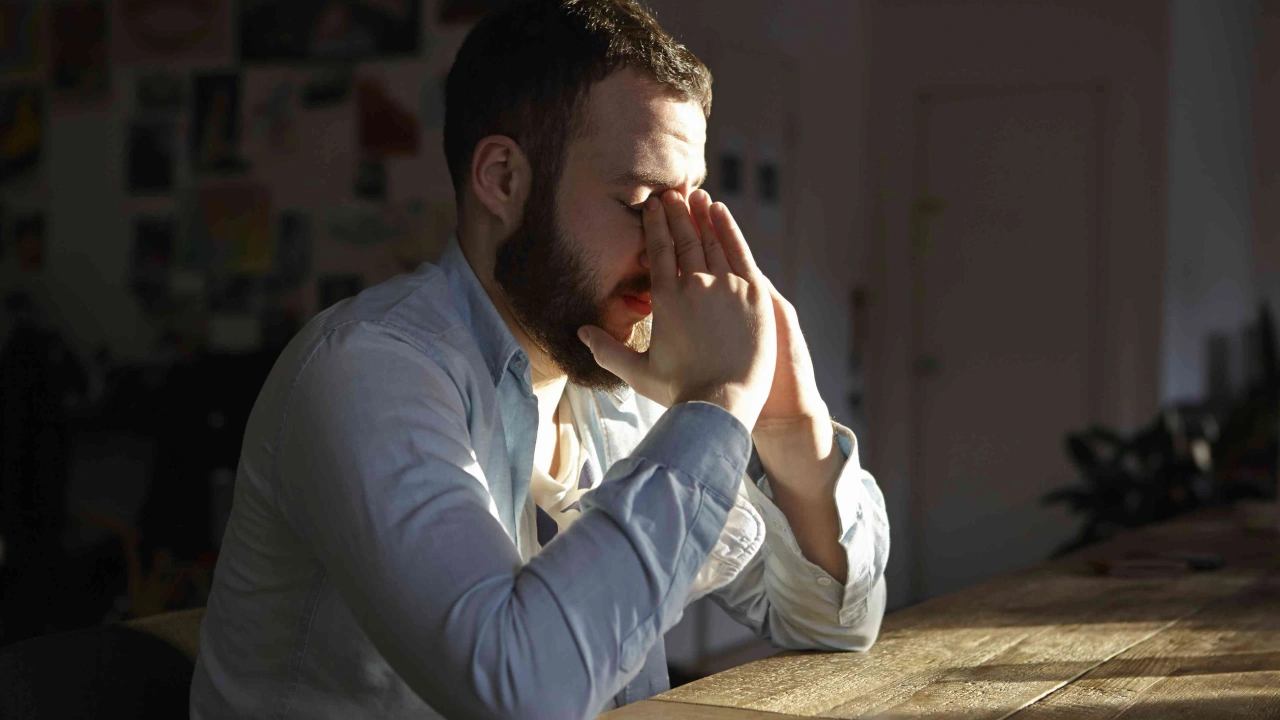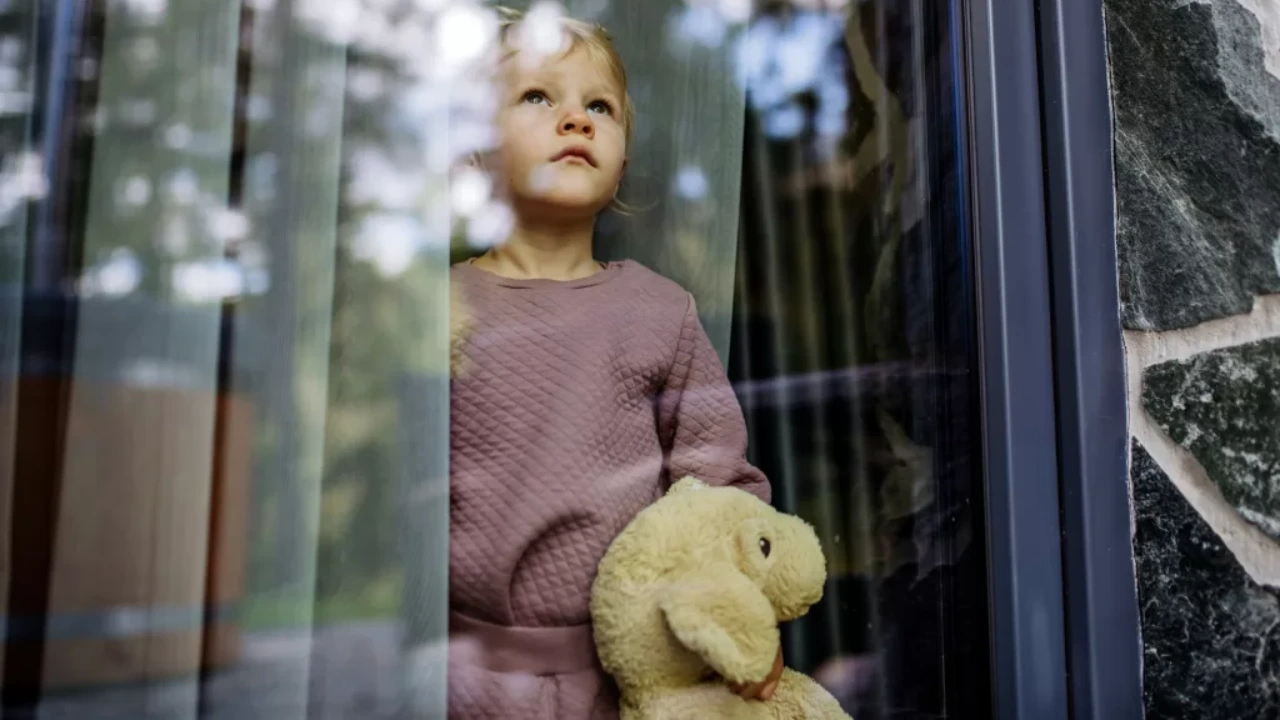
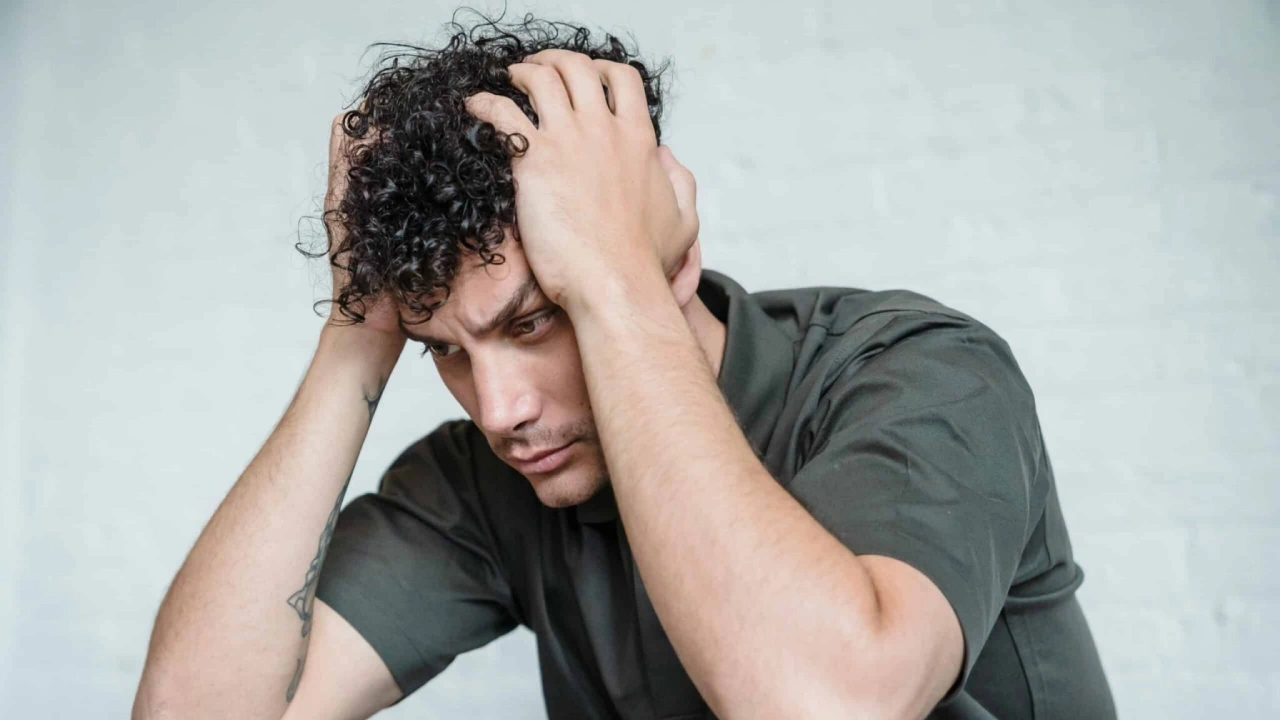
Hypervigilance is a heightened state of alert in which a person continually scans their surroundings for possible danger. A closing door, a change in someone’s facial expression or an unexpected message tone may rapidly activate an alarm response. Even when the person logically knows that they are safe, their body may struggle to relax and continue to feel as if something is about to happen.
Alertness is protective in appropriate situations. Monitoring the environment while walking alone at night or noticing exits during a genuine emergency can be useful. With hypervigilance, however, the alarm is disproportionate to the current threat or continues after danger has passed. Remaining on guard uses substantial energy and can affect sleep, concentration, relationships and daily life.
Hypervigilance is not a psychiatric diagnosis by itself. It is a symptom that may occur with post-traumatic stress, anxiety, panic, prolonged stress and some physical health conditions. Saying “I experience hypervigilance” can describe an important experience, but it does not identify the underlying cause.
What Are the Signs of Hypervigilance?
Signs vary according to a person’s history and environment. Common examples include:
- Quickly checking doors, exits and people upon entering a room
- Having a strong startle response to sudden sounds
- Continually analysing other people’s facial expressions and tone
- Needing to sit with your back against a wall or close to an exit
- Waking at small noises and struggling to return to sleep
- Being unable to release muscle tension when no danger is present
- Assuming immediately that something bad happened when someone is late
- Trying constantly to predict the next problem
- Rechecking things repeatedly in order to feel safe
- Feeling as if you are standing guard even while resting
Physical symptoms may also occur, including an increased heart rate, shallow breathing, sweating, digestive discomfort, headaches and tense shoulders. When the state continues, someone may feel activated and exhausted at the same time. Because these experiences can have medical causes, new, severe or persistent physical symptoms should not automatically be attributed to anxiety.
What Causes Hypervigilance?
Hypervigilance often involves the brain and body’s protective systems becoming highly sensitive. During genuine danger, scanning the environment quickly supports survival. If a threat was prolonged, repeated or unpredictable, the system may learn to remain alert even in safer situations.
Traumatic experiences are one possible cause. Following violence, abuse, accidents, disasters, war or other threatening events, a person may pay extreme attention to small cues in an effort to prevent another incident. Some people with post-traumatic stress disorder experience increased startle, disrupted sleep and environmental scanning as part of persistent arousal.
An unpredictable childhood environment can contribute as well. If a caregiver’s mood changed rapidly, a child may have learned to read facial expressions and tones of voice for safety. A skill that was protective during childhood can later become a tendency to interpret neutral social cues as signs of threat.
Anxiety disorders, panic symptoms and chronic stress may also increase alertness. High caffeine intake, stimulant substances, certain medicines, sleep deprivation and some health conditions can heighten physical arousal. It is important to consider present circumstances and physical health rather than assuming that the cause must always be found in the past.
Hypervigilance Versus Anxiety
Anxiety is a broader experience that can involve worry about many possible future events, physical tension and avoidance. Hypervigilance focuses more specifically on monitoring the environment for signs of threat. The two commonly occur together and can reinforce each other.
For example, as someone worries that something bad will happen, they may monitor sounds and people more closely. When that scanning detects an ambiguous cue, anxiety rises further. The cycle can make it difficult to notice evidence that the situation is safe.
Not every cautious behaviour is hypervigilance. A person who faces a continuing real-world risk may need safety precautions. Any assessment should consider environment, ongoing threats and cultural context. The goal is not to abandon sensible protection, but to distinguish current danger from an alarm shaped by earlier experience.
Is Hypervigilance the Same as Paranoia?
No. Hypervigilance and paranoia can look similar because both involve attention to possible danger. A hypervigilant person often recognises that their response may be excessive or experiences a doubt such as “What if something is wrong?” With paranoia, the belief that another person intends harm may be more fixed and strongly held.
The distinction is not always simple. Sleep deprivation, substance use, mental health conditions and medical problems can affect thinking. Professional evaluation is important when there are strong beliefs that people are watching, following or planning harm, particularly when daily functioning is affected.
How Can Hypervigilance Affect Relationships?
A person who is constantly alert may view the smallest change in a partner’s or friend’s tone as evidence of a problem. The question “Is something wrong?” may become frequent. Reassurance brings brief relief, but another ambiguity can reactivate the alarm. This can be exhausting for both people.
Someone may conceal needs to prevent conflict or attempt to manage everyone else’s feelings. They may also become defensive or controlling in an effort to stop a perceived threat early. These responses may have a protective history, but their effect on the relationship still needs acknowledgement and repair.
When family members say “Just relax; nothing is happening,” the person may feel misunderstood. A more supportive response recognises the experience before reviewing the current evidence: “I can see that you feel very alert. What do we know is happening now, and what are we predicting?”
What Can You Do When You Feel Constantly on Alert?
The purpose is not to force the body into calmness, but to offer it more information about the present environment.
Orient to your surroundings. Remind yourself where you are, the date and the time of day. Notice five objects you can see, three sounds you can hear and two places where the body is supported. Orientation can help distinguish a previous threat from the present setting.
Do not force the breath. Very deep breathing can increase dizziness or anxiety for some people. At a comfortable rhythm, allow the exhale to become slightly longer. Return to normal breathing if discomfort increases.
Give muscle tension an outlet. Pressing the hands gently against a wall, briefly tightening and releasing the shoulders, walking slowly or stretching comfortably can help use some of the physical activation.
Separate the event from the interpretation. “The door closed loudly” is an observation; “A fight is definitely about to begin” is a prediction. Generating other possible explanations without dismissing the fear can prevent the alarm from becoming fixed on one conclusion.
Reduce checking gradually. Repeatedly checking a lock or message offers short relief, but over time it can strengthen the belief that safety depends on checking. In situations already known to be safe, a gradual reduction may help weaken this cycle.
How Can Hypervigilance Improve Over Time?
Consistent sleep, adequate nutrition and reviewing caffeine intake can influence physical arousal. Continuous news and social media alerts also supply the alarm system with new cues. Limiting screens and news before bed may support the transition to sleep.
Skills for emotional regulation can help someone recognise triggers earlier and respond before intensity peaks. Regulation does not mean ignoring real danger or suppressing emotion. It means becoming more accurate in distinguishing safer situations from those that require protection.
Therapy can address traumatic experiences, avoidance, checking behaviours and threat interpretations. Trauma-focused approaches, cognitive behavioural therapy and other evidence-based methods may be considered according to individual symptoms. When violence or danger is ongoing, the priority is not a relaxation exercise but a practical safety plan.
Professional support is important when hypervigilance substantially affects sleep, work, education or relationships, or occurs with panic, dissociation, severe low mood or substance use. Contact the emergency services available where you live in an immediate danger or self-harm crisis. Persistent alertness may be a learned form of protection; with careful assessment and repeated experiences of safety, it can change.