
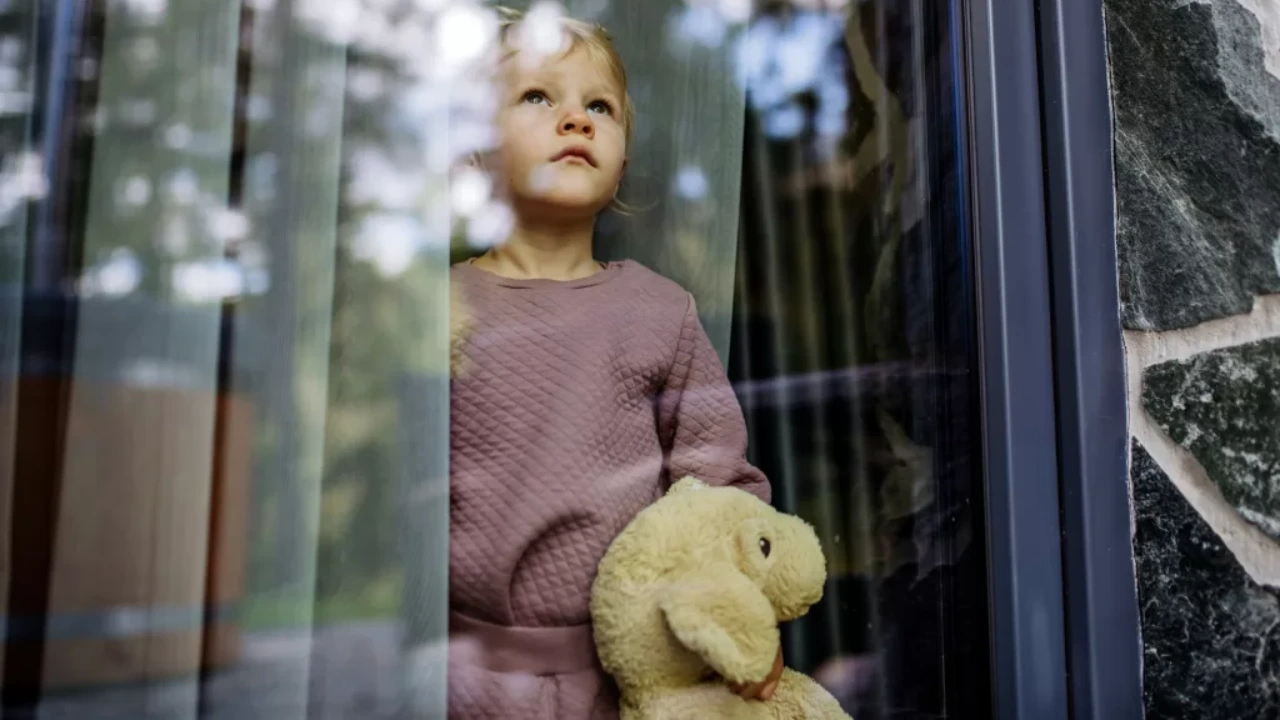
Childhood emotional neglect occurs when caregivers repeatedly fail to notice, understand, validate or adequately respond to a child’s emotional needs. A child may be fed, properly dressed, sent to school and provided with material security. The family may look organised and functional from the outside. Yet the child may receive little comfort when frightened, be left alone with sadness or learn that emotions have no place in the family.
Emotional neglect is often less about an obvious act directed at a child and more about the connection required for healthy development being absent. This can make it difficult to recognise later. An adult looking back may remember no dramatic crisis or explicit mistreatment and say, “Everything seemed normal, but I always felt alone.” There may be fewer events to recall than conversations that never happened, comfort that was not offered and questions that were never asked.
Every caregiver occasionally misses a child’s signal. A healthy relationship does not require perfect attunement; it includes the ability to reconnect after a disconnection. A caregiver can repair by saying, “I could not listen properly earlier. Would you like to tell me now?” Emotional neglect involves a repeated pattern in which needs remain unseen and adequate repair rarely occurs.
Examples of Emotional Neglect
A child’s needs vary with age, temperament and circumstances. An emotionally available adult does not solve every problem. They notice the feeling, help the child name it and communicate that the child does not have to face it alone. When the following are repeated family patterns, they may contribute to emotional neglect:
- Dismissing sadness with comments such as “There is nothing to cry about”
- Treating fear or anger as weakness, shameful behaviour or disrespect
- Showing interest mainly in grades, achievements and compliant behaviour
- Ignoring a child’s preferences, opinions and reasonable boundaries
- Responding to mistakes with silence, mockery or withdrawal rather than guidance
- Never discussing emotions, conflict or needs within the family
- Expecting the child to carry an adult’s emotional burden or provide comfort
- Giving siblings markedly different levels of emotional attention and closeness
Caregivers can be well intentioned and still have limited emotional capacity. They may have grown up without space for their own feelings, experienced mental health difficulties, lived under severe financial pressure or faced other circumstances that limited their responses. Context can explain their behaviour, but it does not erase the impact on the child. Acknowledging that impact does not require defining a caregiver as entirely bad.
Cultural messages can also contribute. Rules such as “Be strong,” “Never depend on anyone” or “Family problems stay inside the family” may teach a child to hide their inner experience. The child suppresses feelings to preserve belonging because connection with caregivers is essential to survival and development.
How Does a Child Adapt to Emotional Neglect?
Children do not usually conclude, “My emotional needs are not being met.” They are more likely to believe, “I am too sensitive,” “My feelings do not matter” or “I should not need anything.” Showing fewer needs becomes an intelligent strategy for maintaining connection. A child may handle difficulties alone, mature early or become the person who meets everyone else’s expectations.
These strategies can be effective during childhood. Concealing emotion may reduce criticism, and not asking for help can prevent repeated disappointment. In adulthood, however, the same methods may interfere with self-understanding, receiving support and building mutual intimacy. An adaptation that was once protective can eventually restrict a person’s life.
Signs of Emotional Neglect in Adults
There is no single adult presentation of emotional neglect. Some people become visibly distant, while others appear highly attentive, responsible and sociable. Possible experiences include:
- Difficulty distinguishing and naming emotions
- Not knowing what they want or need
- Feeling ashamed to ask for help and trying to solve everything alone
- A sense of inner emptiness, disconnection or something being missing
- Severe self-criticism after mistakes and little access to self-compassion
- Quickly detecting other people’s moods while overlooking their own
- Discomfort when receiving praise, care or practical support
- Feeling lonely and misunderstood even within close relationships
- Guilt about rest, play or making time for personal needs
Some adults function exceptionally well during a crisis but cannot identify how they feel afterwards. “I’m fine” may become an automatic answer rather than a description. The body can express unprocessed strain through tension, headaches, fatigue or sleep problems. Because these symptoms can also have physical causes, persistent bodily concerns should be assessed by an appropriate healthcare professional.
These experiences do not prove a history of emotional neglect on their own. Depression, anxiety, trauma, neurodevelopmental differences, current relationship stress and other circumstances can produce similar difficulties. An internet checklist is not a diagnostic tool; history, duration, context and impact need to be considered together.
How Does Emotional Neglect Affect Relationships?
An adult who learned that expressing a need changed nothing may withdraw in relationships. They do not share discomfort because “I will be a burden” feels true, while the other person assumes everything is fine. After a need has been suppressed for a long time, it may emerge as resentment or a sudden outburst.
Sometimes a person hopes that a partner will understand without being told. When this does not happen, the childhood experience of being invisible is reactivated. Other people become highly focused on meeting everyone else’s needs, adopt the caregiver role and lose mutuality. Avoiding the position of having needs can lead them to neglect their own limits.
Intimacy may feel both deeply wanted and unfamiliar. A consistent and caring partner can initially seem suspicious or overwhelming because receiving care is unfamiliar. Conflict may feel as though the relationship is about to end. Healthy relationships, however, allow differences to be discussed and disconnections to be repaired. Skills associated with emotional maturity can continue developing within safe adult relationships.
Are Emotional Neglect and Emotional Abuse the Same?
The concepts can overlap, but they are not identical. Emotional abuse involves harmful actions directed at a child, such as humiliation, threats, intimidation, manipulation or persistent blame. Emotional neglect concerns the response a child needs but does not receive. A family environment may involve either one or both.
Accurate language can help someone understand their history, but healing does not depend on forcing the past into a particular label. The more useful question is how the childhood environment affected the person’s capacity for emotional regulation, self-worth, boundaries and intimacy.
How Does Healing Begin?
Healing does not mean changing the past. It involves building a safer relationship with yourself and other people in the present. It need not begin with a dramatic confrontation. Small and repeated experiences can gradually develop emotional awareness.
Approach physical signals with curiosity. Pause a few times during the day and notice your breathing, shoulders, jaw, stomach and energy level. Emotions often first appear as physical changes. The aim is not to fix the sensation immediately, but to observe it without judgement.
Expand your emotional vocabulary. Instead of only “good” or “bad,” experiment with words such as disappointed, lonely, anxious, relieved, hopeful or frustrated. A feelings wheel or a brief daily journal can help.
Connect feelings with needs. Ask, “What am I feeling, and what might I need?” Fatigue may indicate a need for rest, disappointment a need to be understood, anger a need for a boundary and loneliness a need for connection. Not every need can be met immediately, but recognising it still matters.
Make small requests for help. Ask someone you trust to listen, share a task or clarify a plan. Notice any shame or tension that arises while receiving support. A different outcome can teach the nervous system that expressing a need does not always lead to rejection.
Review the way you speak to yourself. After a mistake, ask whether you would use the same language with a child or close friend. Self-compassion is not avoiding responsibility; it means responding to difficulty with humanity while still acknowledging consequences.
Choose emotionally safer relationships. Connections with people who respect boundaries, listen with curiosity and are willing to repair after conflict can be restorative. You do not have to preserve every relationship. Emotional safety develops over time through consistent behaviour.
Love, anger, grief and loyalty towards caregivers can coexist during healing. These feelings do not invalidate one another. A person can appreciate what their family provided while also grieving what they did not receive.
Therapy for Emotional Neglect
Difficulty identifying emotions, persistent loneliness within relationships, an inability to set limits or significant distress about the past are sufficient reasons to consider professional support. You do not need complete memories or proof that your experience was “worse” than someone else’s before asking for help.
Therapy can provide a safer relationship in which to notice feelings, communicate needs without shame and understand automatic coping strategies. The work may involve not only talking about the past but also experimenting with different behaviour in current relationships, developing boundaries and practising self-compassion. The approach should be adapted to the individual and to any accompanying symptoms.
If you experience thoughts of self-harm, overwhelming hopelessness or an immediate risk to safety, contact the emergency services available where you live. Emotional neglect can be difficult to see, but its effects can be understood and changed through new relational experiences.