Masturbation in children can often be a worrying and confusing situation for parents. However, this behaviour can also be seen as a natural part of the developmental process. Children in the 3–6 age range in particular are in the process of getting to know their bodies and explore their curiosity through touch. For this reason, masturbation should not always be regarded as a problem or a sign of illness. That said, the frequency, form, and setting of masturbation in children matter. If this behaviour reaches a level that affects daily life, social relationships, or the child’s emotional balance, there may be a different problem underlying it. Families having accurate information during this process is critically important for being able to support the child’s development in a healthy way.
Why Does Masturbation Happen in Children?
Masturbation in children usually emerges as a natural part of developmental processes. Children in the 2–6 age range in particular begin to get to know their bodies and show exploratory behaviour. During this period, masturbation most of the time does not carry a sexual meaning; it is about the child being curious about their own body and exploring it through touch. In other words, this behaviour should be regarded as a process of developmental curiosity and learning. Apart from this, different factors can also play a part in masturbation appearing. A child experiencing emotions such as stress, anxiety, or loneliness can lead to an increase in this behaviour. Some children may also use masturbation as a habit to soothe themselves or during the process of falling asleep. Overly strict or, conversely, very permissive attitudes within the family can also play a role in shaping the behaviour. The point to pay attention to is how often and in what settings the child masturbates. If the behaviour is repeated very frequently, hinders the child’s social relationships, or is seen together with other problems, this can be a sign of an underlying psychological need. For this reason, it is important that families observe their children, listen without judgement, and get support from an expert when necessary.
Is Masturbation in Children Normal? When Does It Become a Problem?
Masturbation in children is most of the time regarded as a normal developmental behaviour. Children between the ages of 2 and 6 in particular are in the process of exploring their own bodies, and this behaviour is a natural way for them to gain bodily awareness. Normal masturbation usually takes place in private and alone; it does not disrupt the child’s daily routine or social relationships. However, in some cases this behaviour can become a problem. For example, if masturbation is constantly done in public places or at inappropriate times, is repeated excessively often, or negatively affects the child’s daily life, it needs attention. In addition, if there are signs alongside the behaviour such as anxiety, angry outbursts, or social withdrawal, this can indicate an underlying psychological need. Parents’ mindful approach is very important. Rather than judging or punishing the child, trying to understand the behaviour and providing guidance when necessary is critically important for both the child’s emotional development and communication within the family. It should not be forgotten that understanding the difference between normal, developmental masturbation and behaviour that creates a problem is the fundamental step in determining the right intervention.
Masturbation in Children and Parental Attitudes
Parents’ attitude plays a large role in how masturbation in children behaviour will be shaped. An overly strict or blaming approach can lead the child to hide this behaviour or feel ashamed. This can cause the child to develop false beliefs about their own body and sexual development. On the other hand, a completely indifferent or dismissive attitude can also lead the behaviour to be repeated in an uncontrolled way. Experts recommend that parents adopt a mindful and balanced approach on this matter. It is important to explain to the child that touching their own body is normal, but to teach them that this should be done in private and at appropriate times. In addition, observing the child’s behaviour without judgement and answering their questions calmly provides a safe environment for communication. Alongside attitudes within the family, it is also critical that parents manage their own anxieties and prejudices. Reacting with panic or anger can cause the child to perceive the wrong messages about their behaviour. An informed and understanding approach both supports the child’s healthy sexual development and keeps relationships within the family safe and strong.
The Psychological Causes of Masturbation in Children
In masturbation appearing in children, not only physical curiosity but also various psychological factors can play a part. Some children may use this behaviour as a coping mechanism to regulate emotions such as stress, anxiety, or loneliness. For example, situations such as conflicts within the family, a divorce process, or excessive discipline can cause a child to turn to masturbation in order to soothe themselves. In addition, this behaviour can also be observed for the purpose of attracting attention or testing limits. While trying to understand their parents’ reactions, the child explores boundaries by repeating a particular behaviour. In some cases, when children gain early knowledge about sexuality through their peer group or the media, they may show masturbation behaviour through curiosity and imitation. Understanding the psychological causes is a critical step for parents and experts. Applying only prohibition or punishment without noticing the emotional needs underlying the behaviour can increase the child’s anxiety. For this reason, the child’s emotional and sexual development alike should be guided in a healthy way through observation, patience, and, when necessary, psychological support.
How Is Masturbation Behaviour in Children Managed?
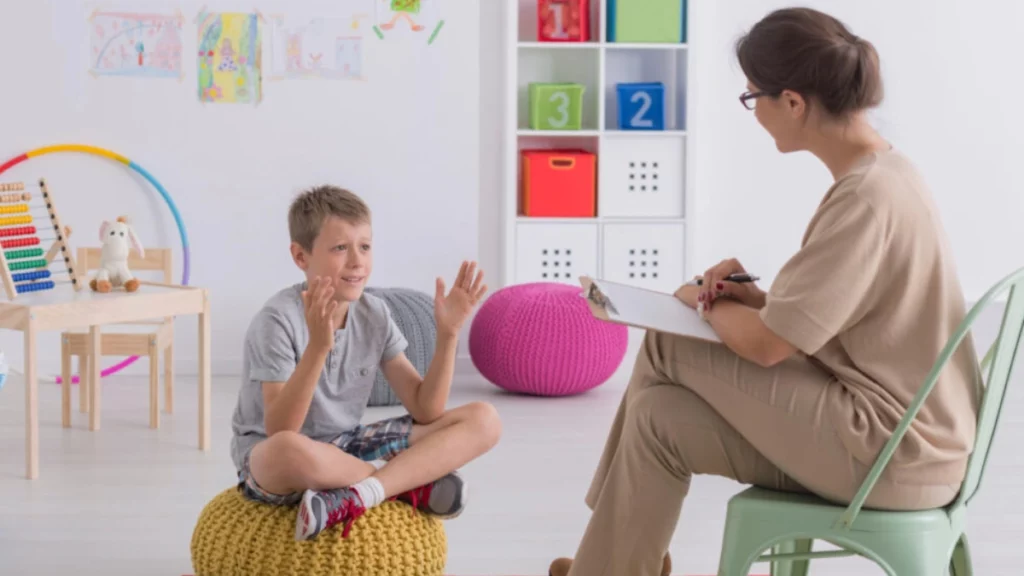
Masturbation behaviour in children, when managed with the right methods, both supports the child’s healthy development and reduces anxiety within the family. First of all, parents need to adopt a calm and mindful approach. Observing the behaviour without blaming or shaming the child makes it easier for them to understand themselves. During this process, the concept of private space and time should be taught, and it should be gently explained that masturbation should only be done in privacy. Sometimes a child repeating the behaviour excessively can stem from causes such as inattention or frequent boredom. In this case, making changes to daily routines, steering the child toward physical activities, or allowing them to release energy through play can be effective. In addition, giving open and accurate answers to the child’s questions helps them satisfy their curiosity in a healthy way. In some cases, the behaviour can be linked to underlying anxiety or psychological problems. If the masturbation behaviour affects social relationships, lowers school performance, or creates intense stress, it is important to get support from a child psychologist or therapist. Professional guidance helps both the child and the family manage the process in a healthy and safe way.
Misconceptions About Masturbation in Children
There are many false beliefs and myths about masturbation in children. One of these is that masturbation will lead to sexual deviance in the child or serious psychological problems later on. In reality, experts emphasise that masturbation seen at an early age is most of the time a normal developmental behaviour. This behaviour is a natural process for the child to get to know their own body and learn its limits. Another piece of misinformation is that the child should be punished immediately when this behaviour is noticed. Overly strict or shaming approaches lead the child to hide the behaviour or develop shame. This can negatively affect both the child’s emotional development and their secure bond with the family. Some parents, on the other hand, may completely ignore masturbation, which can prevent the child from realising when something is inappropriate. A balanced approach helps the child both understand their behaviour and learn appropriate boundaries. Accurate information, patience, and getting professional support when necessary reduce the anxiety created by false beliefs and support the child’s healthy development.
Professional Support on Masturbation in Children Through Online Therapy
Even though masturbation in children is most of the time a developmental and normal behaviour, in some cases parents do need to be concerned. The frequency and form of the behaviour, and whether or not it affects the child’s daily life, should be assessed correctly. At this point, professional support is important for both the child’s healthy development and the parents’ ability to provide the right guidance. With over 10 years of hospital and clinic experience, I have provided counselling to thousands of families, and now, with my online therapy service, I can support you from wherever you are. Thanks to online therapy, we can work in a safe environment to understand children’s behaviour, plan the right interventions, and strengthen communication within the family. If you have concerns about your child’s behaviour or want to manage this process correctly, do not put it off. With professional guidance, you can protect both your child’s emotional health and your relationships within the family.