Anxiety and fears
Separation, specific fears, persistent worry and avoidance.
Child Therapy with a Psychologist
Age-appropriate psychological support that helps children express emotions, build coping skills and feel understood, in collaboration with their parents.

What Is Child Therapy?
Children do not always express difficulties through words. Changes in play, behaviour, sleep, school participation or physical complaints may communicate emotions that are hard to name.
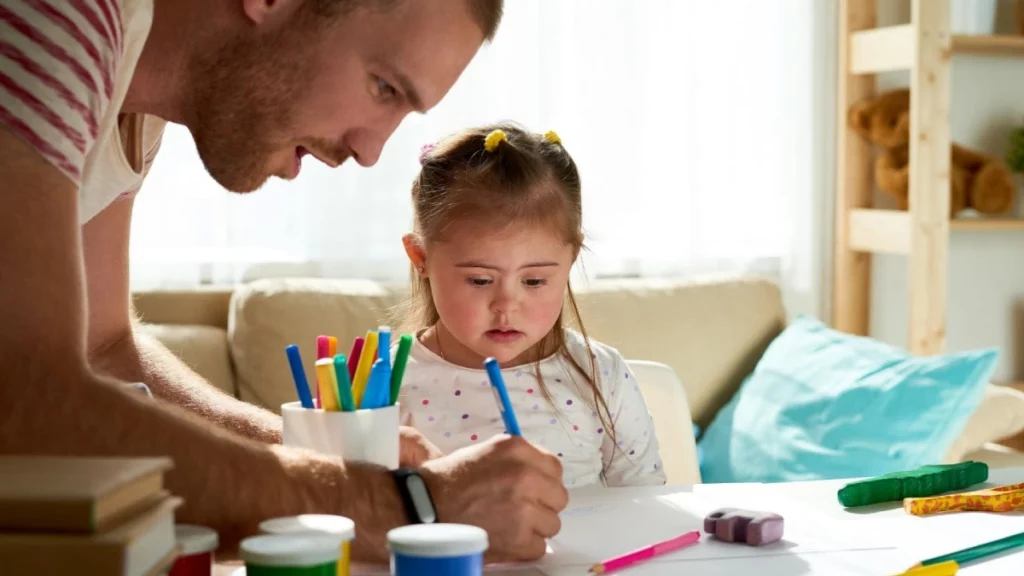
Child therapy uses developmentally appropriate conversation, play and creative activities to understand the child’s experience and strengthen coping skills. The method is selected according to age, needs and the reason for referral.
Parents are important partners in the process. Parent meetings help us understand the wider context, support change at home and review progress while respecting the child’s therapeutic space.
Areas We Can Explore
Every relationship has its own history and context. These are common areas of work, not a checklist.
Separation, specific fears, persistent worry and avoidance.
Difficulty starting school, attendance, performance and classroom concerns.
Intense reactions, anger, difficulty calming and naming feelings.
Developmental difficulties that require a broader assessment.
Jealousy, competition and adjustment to changes in family attention.
Divorce, bereavement, relocation, illness and other transitions.
How Does It Work?
Assessment and therapy are shaped around developmental age, family context and the child’s individual needs.
Book a SessionWe discuss development, current concerns, family context and expectations.
We get to know the child through age-appropriate interaction and observation.
We clarify goals, parent involvement and the most suitable form of support.
We support the child’s skills and regularly review progress with parents.
The Therapeutic Framework
Children need privacy to build trust, while parents remain responsible for their care and safety. What is shared with parents, confidentiality limits and safeguarding responsibilities are explained clearly.
Suspected abuse, immediate danger or acute medical and psychiatric needs require timely local and multidisciplinary support.
My Approach
I combine clinical experience with age-appropriate communication, structured observation, parent collaboration and a strengths-based perspective.
Use conversation, play and observation in ways suited to development.
Support emotional expression, regulation and everyday coping.
Help change carry into home life while protecting the child’s space.

Your Psychologist
I have worked in hospital and clinical settings for more than ten years, with the privilege of accompanying thousands of patients.
I offer support across a wide range of concerns, from anxiety and depression to relationship difficulties, grief and self-esteem. I combine cognitive behavioural therapy, mindfulness and solution-focused approaches with a warm, non-judgmental and personalised way of working.
Patient Reviews
Frequently Asked Questions
You can send another question via WhatsApp.
Send your question →Suitability depends less on a single age cut-off and more on development, the concern and the child’s ability to engage. An initial parent consultation helps determine the appropriate support.
Not usually. Parent involvement is planned according to age and need. Some meetings involve parents, while the child also needs an individual therapeutic space.
No. The child’s privacy is respected, while parents receive information needed to support progress and safety. Confidentiality limits are explained at the beginning.
The length varies according to the child’s needs, goals, family context and progress. The process is reviewed regularly with parents.
Online work may be suitable for some older children and certain goals, but age, attention, privacy and clinical need must be assessed individually.
Medical, developmental, educational or psychiatric assessment may be recommended when symptoms require multidisciplinary evaluation or are outside the psychologist’s scope.
Child Therapy Guides
Explore detailed guides on communication, trust and relationship decisions.
Nail-biting in children is a common habit many parents face. It often stems from stress, anxiety, boredom or attention difficulties. Learn how to help.
Bedwetting in children, or enuresis, rarely has a single cause. It usually stems from a mix of physiological, genetic and psychological factors.
Sibling jealousy can affect children's emotional development. This article covers its symptoms, causes and effective strategies for parents.
A specific learning difficulty in children shows up as lasting struggles with reading, writing and maths. Early recognition protects school success.
Take the First Step
Get in touch to consider the most suitable support for your child and family.
Child therapy is not an emergency service. If a child faces immediate danger, abuse, self-harm risk or an acute medical or psychiatric crisis, contact local emergency and child-protection services.