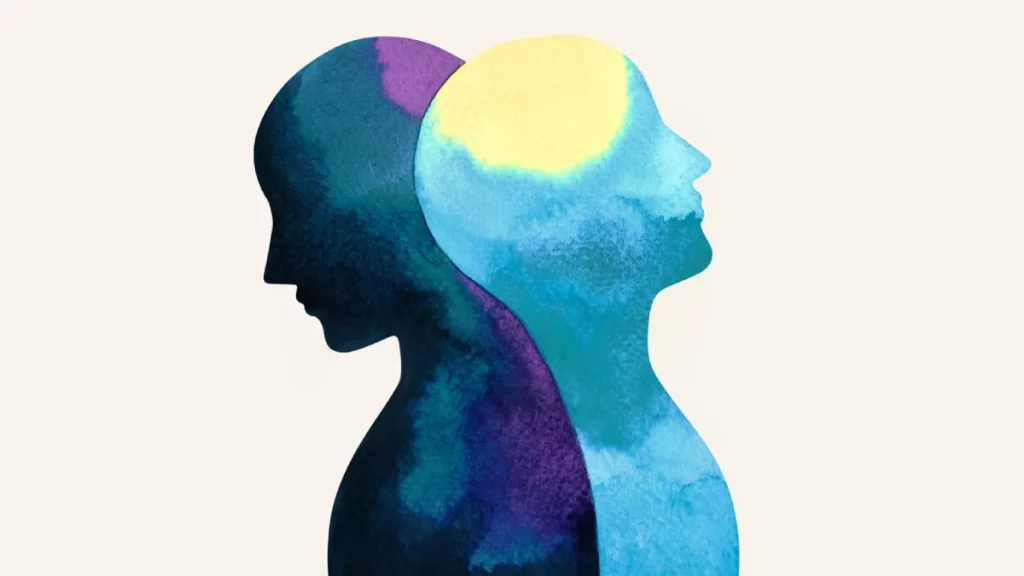
Our emotions naturally change within the flow of life. However, in some people these changes go far beyond ordinary limits and can negatively affect the person’s daily life, relationships and functioning. Bipolar disorder is a serious mental health problem in which these emotional ups and downs turn into a clinical picture.
Bipolar disorder was also known in the past as “manic-depressive illness.” Individuals with this disorder experience periods of extremely elevated (manic or hypomanic) mood at times, and depressed (depressive) mood at other times. In this article, we will address in detail what bipolar disorder is, the symptoms through which it appears, and what can be done during the treatment process.
Types of Bipolar Disorder
Bipolar disorder has several subtypes. The most common are:
Bipolar I Disorder:
At least one manic episode must be experienced. A depressive episode may or may not occur. Manic episodes are quite severe and may require hospitalisation.
Bipolar II Disorder:
It is characterised by hypomania (a milder manic episode) and major depressive episodes. Hypomania does not completely disrupt the person’s functioning but is at a noticeable level.
Cyclothymic Disorder:
It is a fluctuating condition, lasting at least 2 years, in which hypomanic and depressive symptoms are seen in a mild but long-lasting form.
Symptoms of Manic and Depressive Episodes
Manic Episode Symptoms:
-
Excessive joy, elation or exuberance
-
A reduced need for sleep
-
Talking a lot, racing thoughts
-
Unrealistic self-confidence (a feeling of “I can do anything”)
-
Distractibility
-
An increase in risky behaviours (excessive spending, dangerous relationships, uncontrolled investments)
Depressive Episode Symptoms:
-
Constantly feeling sad or empty
-
Loss of energy, exhaustion
-
Irregularities in sleep and appetite
-
Feelings of worthlessness and guilt
-
Suicidal thoughts or behaviours
-
Being unable to carry out daily functions
Between these episodes, the person may feel almost completely normal. However, sometimes mixed episodes can also occur; for example, the person may be both energetic and sad.
The Causes of Bipolar Disorder
Bipolar disorder does not develop in connection with a single cause. Many genetic, biological and environmental factors play a role in the emergence of this disorder.
Genetic Factors:
If there is a family history of bipolar disorder, the risk increases.
Brain Chemistry:
An imbalance of chemicals in the brain such as serotonin, dopamine and norepinephrine can be effective in the development of bipolar disorder.
Stressful Life Events:
Difficult life events such as traumas, sudden losses and the postpartum period can be triggers.
Medication and Substance Use:
Certain medications or alcohol and substance use can also trigger or intensify symptoms.
How Is Bipolar Disorder Diagnosed?
Bipolar disorder is diagnosed through detailed interviews conducted by an experienced psychologist or psychiatrist. During the diagnostic process, the person’s mood, energy level, sleep pattern and behaviours are assessed comprehensively. In addition, the person’s life history, family history and past episodes are taken into account.
Sometimes bipolar disorder can be perceived as only depression. For this reason, past information about the presence of manic or hypomanic episodes is very important. A wrong diagnosis can lead to inappropriate treatment.
The Treatment Process and the Role of Online Therapy
Bipolar disorder is a condition that can be treated but needs to be monitored throughout life. With appropriate support, individuals can improve their quality of life and maintain their functioning.
Treatment Approaches:
-
Psychiatrist Support:
Mood stabilisers, antidepressants or antipsychotics are usually prescribed.
-
Psychotherapy:
In particular, Cognitive Behavioural Therapy (CBT) and psychoeducation are highly beneficial in terms of the individual getting to know themselves, noticing episodes in advance and organising their life.
-
Lifestyle Adjustments:
Regular sleep, healthy nutrition, stress management and social support are very important.
Online therapy is an accessible, sustainable and safe way of support for the individual, especially during periods when mood changes are intense. With the accompaniment of an expert therapist, episodes can be identified, early signs can be noticed and the necessary referrals can be made in time.
Grow Stronger Together with Online Therapy
Bipolar disorder is not an end in which you lose control of your life; it is a process in which, with the right support, you can regain your balance.
🎯 As Psychologist Nilay Özkan, with over 10 years of hospital and clinical experience, I offer individual online therapy support. Our therapy aims to help you understand your mood, manage your reactions and continue your life on a healthier footing.
📍 Wherever you are, you can begin therapy in your own comfortable environment.