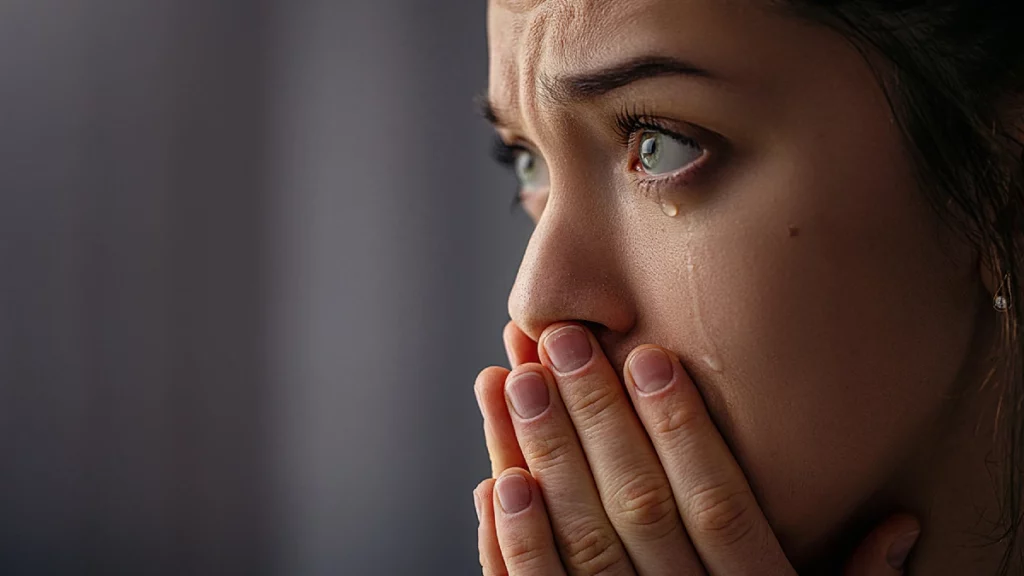
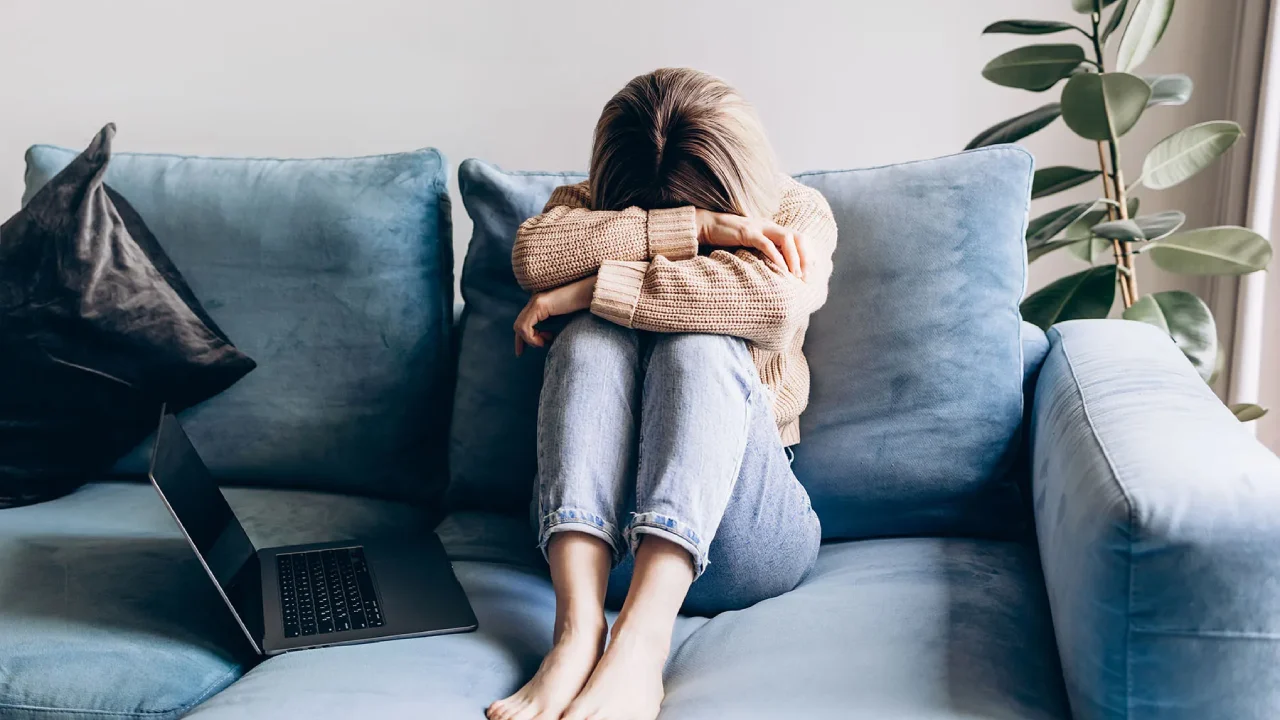
Anhedonia is a marked reduction in interest or in the ability to experience pleasure from activities that were previously enjoyable. A person may listen to favourite music, meet friends or attend an event they anticipated for months, yet feel none of the expected enjoyment. They may describe the experience as “I am doing everything, but nothing reaches me” or “It feels as if the volume of life has been turned down.”
Anhedonia is not simply sadness. Someone who feels sad may still enjoy a warm conversation, a good meal or a short walk. With anhedonia, interest in rewarding experiences, anticipation of them or pleasure during them is reduced. The person may feel emotionally empty, distant or neutral rather than visibly unhappy.
Anhedonia is not a psychiatric diagnosis by itself. It is a symptom that can occur in depression, bipolar disorder, schizophrenia-spectrum conditions, post-traumatic stress, substance-use disorders and certain neurological or physical health conditions. New or persistent loss of pleasure deserves professional assessment, especially when other symptoms are present.
What Are the Signs of Anhedonia?
Interests naturally change over time. Becoming bored with one hobby does not establish anhedonia. The change is more concerning when it spreads across several areas and affects quality of life. Possible signs include:
- Losing the desire to begin hobbies that were previously enjoyable
- Participating in an activity without feeling pleasure or satisfaction
- Avoiding friends or experiencing social contact as an obligation
- Receiving less pleasure from food, music, nature, touch or sex
- Being unable to feel excitement while anticipating a positive event
- Having a weak emotional response to achievement or positive feedback
- Struggling to access positive emotions such as joy or curiosity
- Abandoning activities in advance because “I will not enjoy it anyway”
- Feeling guilty because affection towards loved ones seems reduced
- Experiencing days as colourless, repetitive or meaningless
Someone may understand intellectually that an event is positive but find no emotional or bodily response to it. Other people can misread this as indifference, ingratitude or lack of effort. A person with anhedonia often wants to feel pleasure again; the difficulty is reduced access to reward, not a refusal to engage.
Social and Physical Anhedonia
Social anhedonia is reduced pleasure from being with other people and experiencing relational closeness. Conversation, shared meals or group activities may no longer feel rewarding. The person might choose solitude, and this is not always driven by social anxiety. Sometimes the social experience itself feels emotionally flat.
Physical anhedonia concerns pleasure from sensory and bodily experiences. Food, music, smells, touch, movement or sex may provide less enjoyment. Social and physical forms can occur separately or together.
Another useful distinction is between anticipating pleasure and experiencing it in the moment. Someone may enjoy an activity once it begins but be unable to imagine beforehand that it will feel worthwhile. This makes initiation difficult. Another person may look forward to something but find little pleasure during the experience. The distinction may shape practical and treatment goals.
What Causes Anhedonia?
Pleasure and motivation are not simple processes controlled by one brain chemical. Reward involves noticing an opportunity, anticipating it, making an effort, enjoying the experience and remembering it afterwards. Stress, mental health conditions, physical illness and environmental circumstances can affect these stages differently.
Loss of interest or pleasure is a central feature among symptoms of depression. In depression, anhedonia may accompany low mood, reduced energy, sleep and appetite changes, worthlessness, guilt and difficulty concentrating. A person can also experience significant emptiness and lack of pleasure without appearing visibly sad.
In bipolar disorder, anhedonia can occur during depressive episodes. Emotional numbing, avoidance and detachment following trauma may also reduce pleasure. Certain medicines, substance use or withdrawal can affect emotion and motivation. Parkinson’s disease, hormonal conditions, chronic pain and other medical causes may need consideration.
It is therefore misleading to reduce anhedonia to a “dopamine deficiency.” Dopamine plays a role in reward learning and motivation, but human pleasure emerges from several interacting brain systems, physical states and life circumstances. There is no simple routine blood test that measures “brain dopamine” and diagnoses anhedonia.
Anhedonia Versus Apathy
Anhedonia concerns reduced interest and pleasure. Apathy refers more specifically to reduced motivation, goal-directed behaviour and initiative. A person may believe an activity would be enjoyable but lack the drive to begin it. With anhedonia, the expected pleasure may fail to appear even after the activity begins.
The two often occur together and can be difficult to distinguish in everyday life. Fatigue can look similar as well: someone may want the activity and expect pleasure but lack the physical energy to participate. Asking “Is beginning the hardest part, or do I also feel nothing once I am doing it?” can offer useful information.
Is Anhedonia the Same as Boredom?
Boredom is usually temporary and related to a particular activity. A person can be bored with one task while remaining interested in another. Anhedonia may be more persistent and affect several areas, so simply finding a new hobby may not resolve it.
Pleasure can also decrease temporarily during grief, intense stress and major life transitions. Not every period of reduced enjoyment indicates an illness. Assessment becomes more important when the change lasts for weeks, differs substantially from the person’s usual functioning or occurs with hopelessness and other concerning symptoms.
How Can Anhedonia Affect Relationships?
When someone withdraws from social contact, loved ones may experience it as rejection. Feeling less warmth towards a partner or family can create guilt and the thought “Perhaps I do not love them anymore.” A general reduction in emotional and reward response, however, may not be specific to the relationship.
Clear communication can reduce misunderstanding. Saying “It is not that I do not want to be with you; lately I have not been able to enjoy anything in the usual way” describes the experience more accurately. Loved ones can offer brief, low-pressure connection instead of trying to force excitement.
Withdrawal may conserve energy in the short term, but over time it can further reduce access to potentially rewarding experience. Returning immediately to a full social schedule may be unrealistic. Short, predictable contact with safe people can be a more manageable beginning.
What Can You Do When Nothing Feels Enjoyable?
Anhedonia cannot be removed instantly through willpower. Some practical steps can nevertheless support assessment and recovery.
Track the change. Note when it began, which areas are affected and whether intensity varies during the day. Include changes in sleep, medication, substance use, stress and physical symptoms. This information can support a healthcare consultation.
Aim for participation rather than pleasure. Pressure to enjoy an activity can increase disappointment. The first goal may simply be brief engagement in something that matters. A five-minute walk or short conversation may preserve connection with life even when it does not create immediate happiness.
Make activities smaller. Large plans require energy and motivation. Choose manageable actions such as showering, opening a window, listening to one song or preparing simple food. Measure the step you took rather than judging the experience only by the pleasure it produced.
Protect basic routines. Consistent sleep timing, adequate nutrition, daylight and suitable physical movement support general health. They do not replace treatment and will not affect everyone in the same way, but they can provide a stabilising framework during assessment.
Be cautious with alcohol and drugs. Seeking a rapid change in feeling can increase substance use. Over time, this may further affect reward, sleep and mood. Medical support is important when reducing a substance could involve withdrawal.
Question “dopamine detox” promises. Reducing notifications or compulsive scrolling may be useful, but avoiding all enjoyable activities for several days does not scientifically “reset” the brain. Anhedonia can be a serious symptom and should not be reduced to a digital-discipline problem.
How Is Anhedonia Treated?
Treatment depends on the underlying cause. When depression or another mental health condition is present, psychotherapy, psychiatric assessment and medication may be considered. Behavioural activation is one approach that supports gradual re-engagement with activities connected to a person’s values rather than waiting for motivation to return first.
Do not stop prescribed medicine independently if anhedonia begins during treatment. Abruptly stopping some medicines can cause serious problems. Discuss the timing, dose and alternative explanations with the prescribing clinician. Medical investigation may be needed when a physical cause is possible.
Professional support is important when anhedonia continues for weeks, substantially reduces daily functioning or occurs with post-traumatic stress symptoms or substance use. Seek urgent help if there are thoughts of death, suicide or self-harm. In an immediate risk situation, contact local emergency services, the nearest healthcare facility or a trusted person without delay.
Reduced pleasure does not mean that someone’s personality has permanently changed or that they will never feel well again. Appropriate assessment, treatment of the underlying cause and small steps without pressure can support renewed connection with life.