
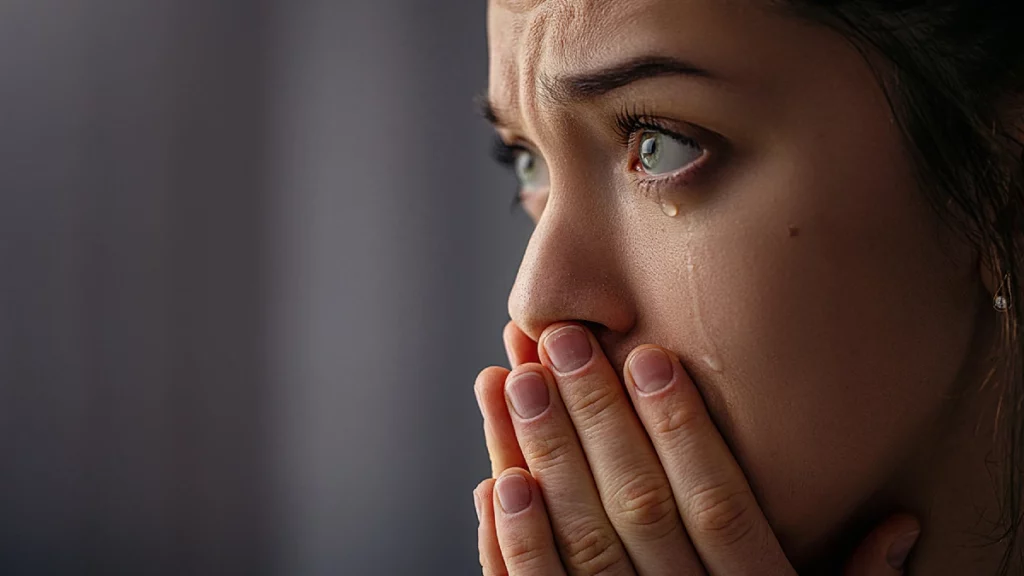
Why do you feel a constant urge to cry? Many people experience emotional intensity from time to time; but frequently feeling the need to cry when there is no obvious reason can be a sign of certain psychological or physiological processes. Sometimes suppressed emotions, and sometimes long-standing stress, can strain a person’s capacity for emotional regulation. Rising anxiety levels, a sense of uncertainty and the intense pace of life, especially in recent years, can show up in people as emotional sensitivity, sudden crying spells and an unexplained inner distress. This is not an illness in itself; but understanding the underlying cause is very important for protecting both emotional balance and quality of life.
Is a Constant Urge to Cry a Symptom of Depression?
A constant urge to cry is one of the most frequently wondered-about topics and is often associated with the symptoms of depression. Depression is not only a state of unhappiness; it can show itself through a decrease in a person’s emotional resilience, an increase in hopeless thoughts and the development of an excessive sensitivity to everyday events. In this state a person may feel the need to cry even when there is no obvious reason. Crying episodes seen alongside symptoms such as intense inner distress in the mornings, reluctance, low energy and an inability to take pleasure in life may be a sign of an underlying major depressive disorder. In some people this progresses quietly; the person may blame themselves, asking “Why am I like this?” Yet this process is often related to an increase in the brain’s chemical balances and stress load. The crying seen in depression is usually an emotional release that is hard to control and comes with intensity and a sense of emptiness. However, not every urge to cry means depression. Sometimes long-suppressed emotions, an unlived grief process or chronic stress can create similar symptoms. If the question of why a constant urge to cry arises has reached a level that affects your quality of life and has continued for weeks, it is important to evaluate the underlying psychological cause. Early awareness allows the process to be managed more healthily.
Is It Normal to Cry When There Is No Reason?
Many people ask themselves, “Why am I crying when there’s nothing wrong?” Crying when there is no obvious reason actually often does not mean there truly “is no reason.” Stress that is not noticed at a conscious level, suppressed emotions or long-neglected needs can emerge as sudden emotional releases. Trying to appear strong in daily life, postponing emotions or suppressing feelings by saying “I’m overreacting” leads over time to an inner build-up. With a small trigger, this build-up can show itself as sudden crying spells. This is seen more often in people who live under heavy responsibility and struggle to express their emotions. In addition, the nervous system becomes more sensitive in people under chronic stress. This sensitivity lowers emotional tolerance, and the person may cry more easily. This does not on its own mean a psychiatric disorder; but when it becomes frequent and uncontrollable, it is necessary to understand the underlying psychological dynamics. If the question “why a constant urge to cry arises” often occupies your mind, it is important to discover what this state is trying to tell you. Because sometimes crying is the mind’s way of saying, “The burden is too much now.”
Why Do Sudden Crying Spells Happen?
For some people, crying appears not gradually but all at once and intensely. A sudden crying spell is usually the abrupt release of accumulated emotions. The person often feels bewildered: “I was fine a moment ago, what happened now?” This is seen more often in people who tend to suppress their emotions. Intense stress, unresolved inner conflicts, past traumas or an ongoing state of uncertainty keep the nervous system constantly on alert. This state of alertness can lead to an emotional overflow with even a small event. Crying spells can be more pronounced, especially in people experiencing intense anxiety, a need for control and mental fatigue. In some cases, palpitations, shortness of breath and a sense of loss of control may accompany it, similar to a panic attack. At this point the person may interpret what they are experiencing as “weakness.” Yet this is often a signal that the mind and body are under excessive strain. If the question of why a constant urge to cry arises is experienced together with sudden and intense episodes, it is important to understand the underlying sources of stress and the triggers. Emotional crises are usually not random but the result of an accumulated burden. It is possible to notice and regulate this burden.
Do Hormonal Changes Cause a Constant Urge to Cry?
It can be misleading to assume that emotional fluctuations are always due only to psychological causes. Hormonal changes, especially in women, can increase emotional sensitivity during the menstrual cycle, pregnancy, the postpartum period and menopause. The constant urge to cry seen in these periods sometimes has a biological basis. Hormones such as oestrogen and progesterone affect not only the reproductive system but also brain chemistry. Sudden changes in these hormones can affect serotonin levels and lead to mood fluctuations. For this reason, a person may feel more sensitive, fragile and prone to crying without any obvious reason. But the important point here is this: hormonal processes can increase emotional sensitivity, yet they are usually not the sole cause. If a person is already under intense stress, has unresolved emotional issues or a high level of anxiety, hormonal changes can make these symptoms more visible. If the question “why a constant urge to cry arises” increases especially during certain periods, biological and psychological factors need to be evaluated together. Because body and mind are a whole; a change in one can directly affect the other.
The Relationship Between Anxiety Disorder and the Urge to Cry
Anxiety disorder is not limited to a constant state of worry; it can appear together with many physical and emotional symptoms. One of these can be an unexplained constant urge to cry. Mental fatigue and emotional sensitivity increase, especially in people experiencing generalised anxiety disorder. This can cause even a small stress factor to turn into an intense crying response. The mind of a person experiencing anxiety often works in “danger mode.” A constant expectation that something will go wrong progresses together with muscle tension, sleep problems and distractibility. This chronic state of alarm tires the nervous system. As mental and physical exhaustion increases, the person may struggle to regulate their emotions and may experience crying spells. For some people, crying becomes the outlet for anxiety. However, the person may interpret this as “loss of control” or “weakness.” Yet this is often the expression of long-suppressed stress. If the question of why a constant urge to cry arises is experienced together with intense worry, inner restlessness and constant rumination, it is important to evaluate the underlying level of anxiety. Because anxiety, when unnoticed, can affect emotional balance in a quiet but powerful way.
How Does the Constant Urge to Cry Pass? Psychological Coping Methods
How does the constant urge to cry pass? The answer to this question first requires understanding the reason underlying the crying. Because every constant urge to cry can point to a different emotional need. Sometimes suppressed anger, sometimes a grief process, and sometimes intense stress triggers this feeling. For this reason, the first step is not to suppress the emotion but to try to understand it. The skill of regulating emotions can be developed. Keeping a daily emotion log, noticing triggers and catching automatic thoughts are quite effective in this process. Cognitive restructuring techniques in particular help transform self-blaming thoughts such as “Why am I like this?” In addition, regular sleep, physical movement and social contact balance the nervous system. Breathing exercises and present-moment practices can calm the nervous system during sudden crying spells. However, if symptoms continue for weeks, affect functioning and the person struggles to control themselves, professional support helps manage the process more healthily.
Getting Professional Support for a Constant Urge to Cry
If the question of why a constant urge to cry arises affects your quality of life, makes your daily functioning harder or has continued for a long time, you do not have to carry this process alone. As Psychologist Nilay Özkan, with over 10 years of clinical experience, I offer support to adults on issues such as depression, anxiety, panic attacks, difficulties with emotion regulation and similar concerns. The online therapy process allows you to receive safe and structured support from wherever you are. It is possible to understand the reason behind your emotions and reach a more balanced state of mind. You can get in touch with me for detailed information and an appointment. 🌿