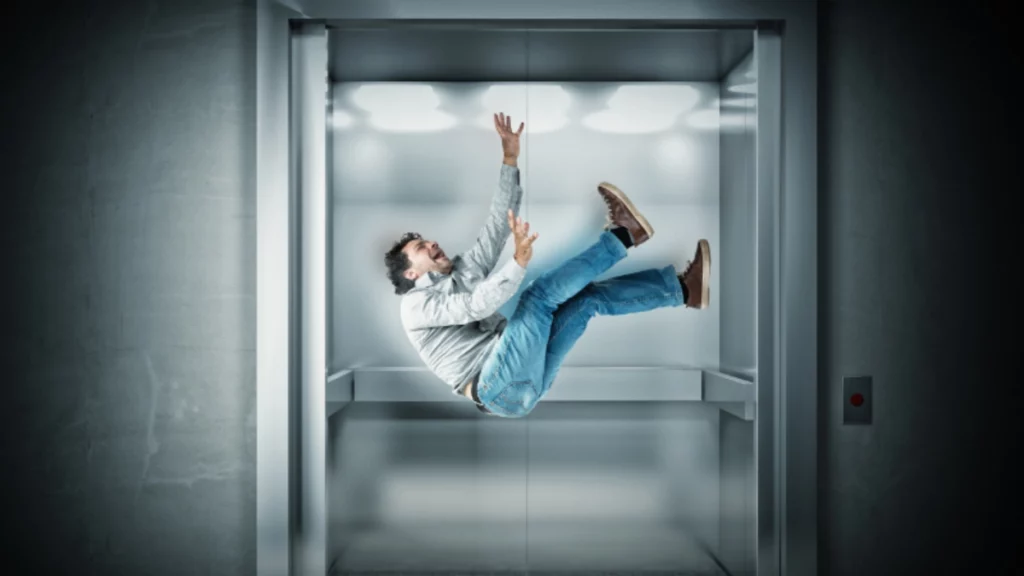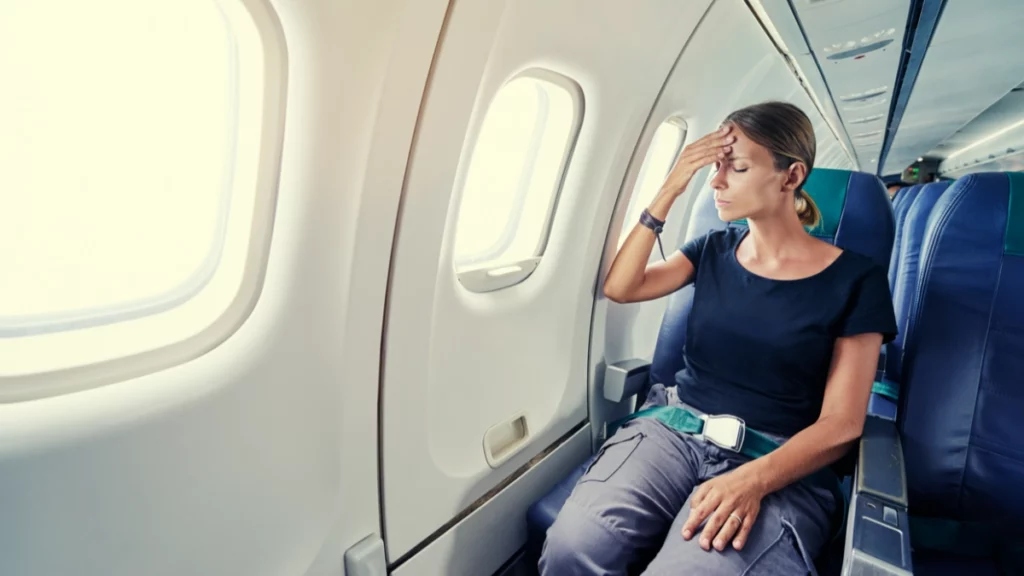
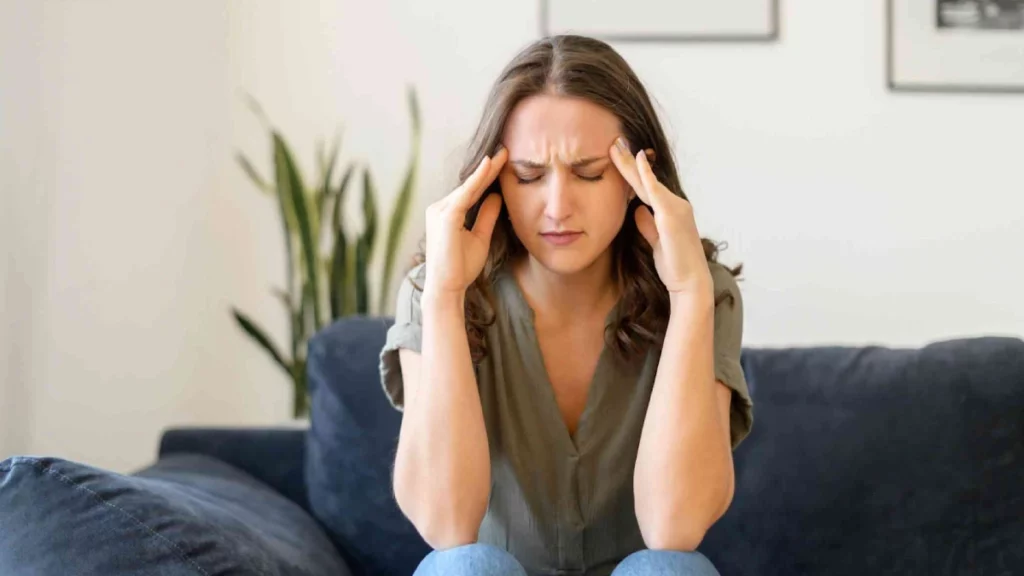
Anxiety disorders are mental-health problems that are frequently encountered in daily life but that negatively affect a person’s life when their intensity and persistence increase. We can all feel anxious from time to time in the face of stressful situations. However, when this anxiety reaches a level that disrupts daily functioning and makes it hard for the person to control their thoughts, feelings or behaviour, we can speak of an anxiety disorder. Anxiety disorders can show themselves through panic attacks, social anxiety, generalised anxiety disorder, phobias and obsessive thoughts. In people who experience intense anxiety, a racing heart, shortness of breath, muscle tension, sleep problems and a constant state of worry are common. This can negatively affect not only psychological health but also physical health. Recognising anxiety disorders early and seeking professional support is critically important for the person to regain their quality of life.
How Do Anxiety Disorders Arise?
Anxiety disorders do not stem from a single cause; they usually arise from a combination of biological, psychological and environmental factors. Genetic predisposition plays an important role. The risk is higher in people who have an anxiety disorder or similar mental-health problems in their family. Chemical imbalances in the brain, particularly disruptions in neurotransmitters such as serotonin and dopamine, can cause anxiety to become chronic. Psychological factors are also highly influential in the development of anxiety. Traumas experienced in childhood, overly protective parental attitudes, or growing up in an environment where one is constantly criticised can make a person more prone to anxiety in later years. In addition, perfectionist personality traits, a need for control and an intolerance of uncertainty are among the characteristics that trigger anxiety disorders. Environmental factors, meanwhile, can accelerate this process. Heavy work stress, financial problems, conflicts in social relationships or sudden life changes can trigger anxiety disorders. Difficult life events such as a pandemic, job loss or bereavement in particular can increase an already existing tendency towards anxiety in a person. In short, the emergence of anxiety disorders results from a combination of many factors. For this reason, the treatment process should focus not only on reducing symptoms but also on exploring these underlying causes.
How Do Anxiety Disorders Arise?
Anxiety disorders do not stem from a single cause; they usually arise from a combination of biological, psychological and environmental factors. Genetic predisposition plays an important role. The risk is higher in people who have an anxiety disorder or similar mental-health problems in their family. Chemical imbalances in the brain, particularly disruptions in neurotransmitters such as serotonin and dopamine, can cause anxiety to become chronic. Psychological factors are also highly influential in the development of anxiety. Traumas experienced in childhood, overly protective parental attitudes, or growing up in an environment where one is constantly criticised can make a person more prone to anxiety in later years. In addition, perfectionist personality traits, a need for control and an intolerance of uncertainty are among the characteristics that trigger anxiety disorders. Environmental factors, meanwhile, can accelerate this process. Heavy work stress, financial problems, conflicts in social relationships or sudden life changes can trigger anxiety disorders. Difficult life events such as a pandemic, job loss or bereavement in particular can increase an already existing tendency towards anxiety in a person. In short, the emergence of anxiety disorders results from a combination of many factors. For this reason, the treatment process should focus not only on reducing symptoms but also on exploring these underlying causes.
What Are the Symptoms of Anxiety Disorders?
Anxiety disorders show themselves through both physical and mental symptoms. Although symptoms can vary from person to person, they often reach a level that makes daily life difficult. Among the most common physical symptoms are a racing heart, rapid breathing, stomach and bowel problems, muscle tension, sweating and trembling. Some people, experiencing chest pain, dizziness or a feeling of suffocation, may mistake this for a heart attack or a serious health problem. This increases the person’s anxiety even further and leads to a vicious cycle. Mental and emotional symptoms are also quite marked. A constant state of worry, imagining catastrophic scenarios, intense fear about the future and restlessness are among the most commonly experienced symptoms. People with an anxiety disorder usually struggle to concentrate, have difficulty making decisions and find it hard even to carry out their everyday tasks. Sleep problems, frequent nightmares and waking up tired in the mornings are also common. People experiencing an anxiety disorder also have difficulties in their social relationships. Behaviours such as avoiding speaking in public, excessive tension in social settings and shying away from meeting new people reduce daily quality of life. When the symptoms are not recognised early, an anxiety disorder can become chronic and lead to more serious mental-health problems.
The Physical and Psychological Effects of Anxiety Disorders
Although anxiety disorders are seen as merely a mental problem, they leave serious effects on both physical and mental health. From a physical point of view, constant tension can lead to muscle pain, headaches and chronic fatigue. A long-term anxiety disorder weakens the immune system, making the person prone to falling ill often. In addition, stomach and bowel problems, digestive disorders, raised blood pressure and cardiovascular complaints are among the long-term effects of anxiety. The psychological effects are at least as challenging as the physical ones. Because people with an anxiety disorder are usually in a constant state of worry, they find it hard to maintain their concentration. This can lead to reduced performance at work, a loss of achievement at school and disruption to everyday tasks. In addition, a constant sense of restlessness and uncertainty increases the risk of developing other mental-health problems such as depression. An anxiety disorder also negatively affects social life. The person may withdraw from friendships, shy away from speaking in a group or avoid social activities altogether. This increases feelings of loneliness and makes mental recovery even harder. Ultimately, anxiety disorders are a problem that affects not only a person’s mental balance but their whole life. For this reason, recognising them early and seeking professional support is of great importance in preventing the negative effects from deepening.
Treatment Methods for Anxiety Disorders
Treatment for anxiety disorders is planned according to the severity and duration of the symptoms the person experiences and their effect on daily functioning. A single method is often not enough; for this reason, both psychotherapy and, when necessary, medication can be applied together. The most commonly used psychotherapy method is cognitive behavioural therapy (CBT). CBT aims to help the person notice their negative thought patterns and replace them with more realistic, healthy thoughts. In this way, thoughts that increase anxiety, such as “catastrophising” or “losing control,” give way to more balanced perspectives. During the therapy process, relaxation exercises, breathing work and exposure techniques can also be used. In some cases, medication is applied with the support of a psychiatrist. Antidepressants and anxiolytics help bring anxiety under control by regulating the chemical balance in the brain. However, medication should always be used under expert supervision and supported by therapy. Alternative methods also contribute to the treatment process. Exercising regularly, practising techniques such as mindfulness and meditation, paying attention to a sleep routine and eating healthily help to reduce anxiety. In addition, support groups or family therapy help the person feel they are not alone and get through the process more strongly. Ultimately, the treatment of anxiety disorders should be approached in a multifaceted way. Together with professional support, lifestyle changes strengthen the person’s skills for coping with anxiety and make lasting recovery possible over the long term.
How Does the Therapy Process Work in Anxiety Disorders?
The therapy process for anxiety disorders is a journey planned according to the person’s needs and progressing step by step. In the first stage, the therapist listens to the person’s story, assesses the symptoms and identifies the situations that trigger the anxiety. This assessment helps to create a therapy plan tailored to the individual. One of the most commonly used methods in the therapy process is cognitive behavioural therapy (CBT). CBT helps the person notice the negative thoughts that increase their anxiety and develop healthier, more realistic perspectives in their place. For example, adopting the approach “doing your best can be enough” instead of the thought “I’m going to fail” can significantly reduce the level of anxiety. In addition, through exposure techniques, the person is confronted with fear-inducing situations in a safe environment, and over time the effect of the anxiety decreases. The therapy process works not only on thoughts but also on bodily reactions. Breathing exercises, relaxation techniques and mindfulness work help the person achieve bodily control in moments of anxiety. In some cases, family therapy is also added, involving the support of those close to the person in the process. Rather than providing short-term relief, therapy aims to transform the person’s way of life over the long term. Regular attendance, patience and the relationship of trust built with the therapist play a critical role in a lasting reduction of anxiety disorders.
Ways to Cope with an Anxiety Disorder
For people experiencing an anxiety disorder, daily life can often be tiring and challenging. However, when the right methods are used, the effect of anxiety can be reduced and the person can lead a more balanced life. The first step is to become aware of the situations that trigger the anxiety and to develop healthy ways of coping with them. Physical relaxation techniques have an important place in the struggle with anxiety. Regularly practised breathing exercises, muscle-relaxation work and meditation practices calm the body and reduce mental tension. At the same time, regular sleep, healthy eating and exercise also help to lower the person’s overall level of anxiety. Managing thoughts also plays a critical role in coping with anxiety. Questioning negative thoughts and producing more realistic, positive alternatives in their place lightens the mental load. For example, replacing “what if I fail” with the thought “trying is itself an achievement” can reduce the severity of anxiety. Social support is also a powerful tool for coping. Sharing your feelings with people you trust helps you feel that you are not alone. In addition, seeking professional help when needed is one of the most effective and lasting solutions in the struggle with anxiety. The therapy process contributes to the person growing stronger both emotionally and cognitively. It should not be forgotten that, although anxiety cannot be eliminated entirely, it can be managed with the right methods and quality of life can be significantly improved.
Symptoms of Generalised Anxiety Disorder
Generalised anxiety disorder creates a constant sense of worry and restlessness even in the face of the ordinary events of daily life. In this disorder, the person often feels anxious without any concrete reason, and their mind continually produces negative scenarios. The symptoms appear at both a mental and a physical level and seriously affect the person’s quality of life. One of the most marked symptoms is a constant state of worry. The person feels excessive anxiety about the future and develops intense, uncontrollable thoughts about work, health, family or daily responsibilities. This leads to mental exhaustion. Physical symptoms are also quite common. A racing heart, sweating, trembling, muscle tension and stomach problems are frequently seen in people with generalised anxiety disorder. Difficulty falling asleep or waking frequently is also among the important indicators of this disorder. In addition, distractibility and difficulty concentrating are among the common symptoms. The person finds it hard to focus their mind on a task, because other anxious thoughts constantly occupy their mind. This can lead to problems both at work and in social relationships. The symptoms of generalised anxiety disorder can vary from person to person, but the common point is that anxiety restricts daily life. Recognising it early and seeking professional support allow the symptoms to be brought under control and the person to lead a healthier life.
Treatment Methods for Anxiety Disorder
Treatment for an anxiety disorder aims both to ease the symptoms and to prevent anxiety from taking control of the person’s life. The treatment process is shaped according to the severity of the symptoms the person experiences and their personal needs. The most effective results are achieved when psychotherapy and, in some cases, medication are applied together. One of the most commonly used methods is cognitive behavioural therapy (CBT). This therapy helps the person notice the thoughts that lead to anxiety and replace them with more realistic, healthy alternatives. At the same time, it provides skills for coping with the situations that trigger anxiety. Relaxation techniques also have an important place in the treatment process. Regular breathing exercises, meditation and muscle-relaxation methods calm the body and reduce the physical effects of anxiety. In addition, exercising, eating healthily and building regular sleep habits support the treatment process. In some cases, medication recommended by a psychiatrist can also be included in the treatment. While medication helps to ease the symptoms of anxiety, when used together with therapy it provides more lasting results over the long term. Social support, meanwhile, is a factor that should not be overlooked in the treatment of anxiety. Sharing your feelings with people you trust and receiving support can speed up the recovery process. Most importantly, by seeking professional help, you come to know that you do not have to go through this process on your own.
The Differences Between Panic Attacks and Anxiety Disorder
Panic attacks and an anxiety disorder, although they show similar symptoms, are in fact different psychological conditions. These two concepts are often confused, but knowing the differences between them is very important for correct diagnosis and treatment. A panic attack is an episode of fear or anxiety that appears suddenly and intensifies within a short time. Symptoms such as a racing heart, shortness of breath, chest pain, sweating, dizziness and a fear of dying develop very rapidly. A panic attack usually reaches its peak within a few minutes and then subsides. This can suddenly interrupt the person’s daily life. An anxiety disorder, on the other hand, is a constant state of worry that lasts longer and is usually not linked to a specific event or situation. Although the symptoms are of lower intensity, they are persistent and negatively affect the person’s quality of life over the long term. In an anxiety disorder, rather than the short, intense crises seen in a panic attack, there is a restlessness and tension that continues for days, weeks or even months. Another difference lies in the triggers. A panic attack usually arises without an obvious cause; the person suddenly finds themselves in a state of intense fear. In an anxiety disorder, however, vague worries about the future and everyday concerns such as work, family or health form the main source of the anxiety. In both cases, seeking professional support ensures both that the correct diagnosis is made and that appropriate treatment methods are applied. In this way, the person can carry on with their life in a healthier and more balanced way.
The Relationship Between Anxiety Disorder and Depression
Anxiety disorder and depression are mental-health problems that are frequently seen together and can trigger one another. Both conditions seriously affect a person’s quality of life, but their symptoms and mechanisms of effect are different. Anxiety disorder is characterised by constant worry and restlessness; depression, on the other hand, is marked by hopelessness, loss of energy and a lack of interest. In many people, if an anxiety disorder is left untreated for a long time, the risk of developing depression increases. Constant anxiety lowers the person’s self-confidence and motivation for life, which can lead to emotional collapse. On the other hand, depression can also increase the level of anxiety; the person becomes more preoccupied with negative thoughts about the future and finds it hard to carry out daily tasks. Both anxiety disorder and depression can also show themselves through physical symptoms. Sleep disorders, changes in appetite, fatigue, headaches and digestive problems are common in both conditions. For this reason, professional assessment is essential for a correct diagnosis and treatment plan. In the treatment process, cognitive behavioural therapy (CBT) usually targets the symptoms of both anxiety and depression. In addition, if necessary, therapy is applied together with medication. This holistic approach makes it easier for the person to manage both anxiety and depression and improves their quality of life.
The Advantages of Online Therapy for Anxiety Disorders
For people experiencing an anxiety disorder, online therapy offers a modern and accessible solution. While providing all the advantages of classic face-to-face therapy, this method makes it possible to receive support independent of time and place. It offers great convenience, especially for people who cannot attend face-to-face therapy because of a busy work schedule, transport difficulties or social anxiety. Online therapy makes it possible for the person to receive therapy in their own safe space, in the comfort of their home. This makes it easier for people with social anxiety to begin therapy. The person can communicate with the therapist through video calls, by telephone or by written message, and may feel more at ease about expressing their feelings. Another advantage is that it increases regular attendance at therapy. Because it does not require travel and offers flexible time options, it reduces the likelihood of clients missing sessions. In addition, support materials provided through online therapy platforms, such as homework, meditation and mindfulness exercises, increase the effectiveness of the therapy. Online therapy is an effective method for changing the thought patterns underlying anxiety disorders, developing coping strategies and managing negative emotions. By getting professional support, the person learns to cope with anxiety and can improve their quality of life.