Anxiety and exam stress
Performance pressure, avoidance, physical anxiety and fear of failure.
Adolescent Therapy with a Psychologist
A respectful and non-judgmental process that supports young people with identity, emotions, relationships and growing independence while involving parents appropriately.

What Is Adolescent Therapy?
Adolescence involves rapid changes in identity, body, relationships, school life and independence. Difficulties may appear as withdrawal, conflict, anxiety, low motivation, intense emotions or changes in daily functioning.
Adolescent therapy offers a professional space where a young person can speak openly, understand their emotional world and develop more effective ways of coping. The relationship is built with respect for their growing autonomy.
Parents remain important sources of support. Their involvement is planned according to age, need and safety, without turning therapy into a place where the adolescent feels monitored or judged.
Areas We Can Explore
Every relationship has its own history and context. These are common areas of work, not a checklist.
Performance pressure, avoidance, physical anxiety and fear of failure.
Self-criticism, belonging, values and developing a sense of self.
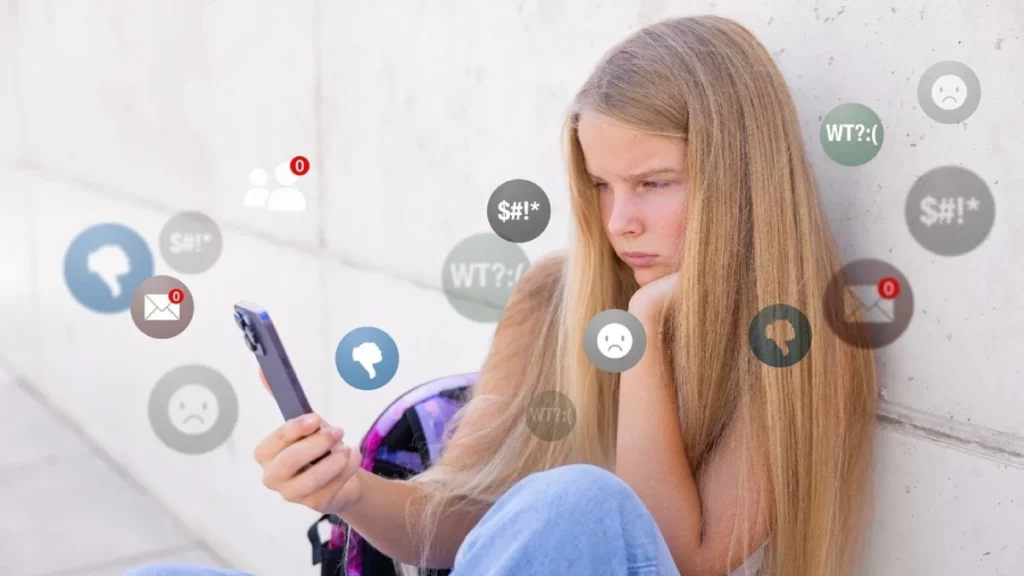
Friendship conflict, bullying, exclusion and social anxiety.
Intense emotions, anger, impulsive reactions and difficulty calming.
Boundaries, trust, rules, autonomy and repeated conflict at home.
Social comparison, online pressure, screen habits and body dissatisfaction.
How Does It Work?
Assessment and goals are shaped around developmental needs, the young person’s perspective, family context and safety.
Book a SessionWe discuss development, current concerns, family context and expectations.
We hear the young person’s perspective and explain privacy and safety boundaries.
We clarify goals, session structure and the appropriate role of parents.
We strengthen coping skills and review progress with respect for privacy.
Privacy and Safety
Adolescents need privacy to speak honestly. Parents need enough information to support wellbeing and safety. What remains private, what may be shared and when safety overrides confidentiality are explained clearly.
Privacy supports honest participation, while immediate risk, abuse or acute psychiatric needs require timely local support and appropriate information sharing.
My Approach
I combine clinical experience with a warm, collaborative relationship that takes the adolescent seriously while keeping family context and safety in view.
Take the adolescent’s perspective seriously without judgement.
Work with emotions, thoughts, relationships and everyday choices.
Involve parents appropriately while protecting therapeutic trust.

Your Psychologist
I have worked in hospital and clinical settings for more than ten years, with the privilege of accompanying thousands of patients.
I offer support across a wide range of concerns, from anxiety and depression to relationship difficulties, grief and self-esteem. I combine cognitive behavioural therapy, mindfulness and solution-focused approaches with a warm, non-judgmental and personalised way of working.
Patient Reviews
Frequently Asked Questions
You can send another question via WhatsApp.
Send your question →Meaningful participation matters. Parents may initiate contact, but the adolescent’s understanding, willingness and goals should be explored rather than treating therapy as a punishment.
No. Privacy supports trust. Parents receive information needed for support and safety, and confidentiality limits are explained to everyone from the beginning.
Parent meetings may be included according to age and need. Most of the adolescent’s sessions are usually individual, while family communication can be addressed when appropriate.
Duration varies according to concerns, goals, family context and progress. The plan is reviewed regularly.
It may be suitable when the adolescent has privacy, reliable technology and can engage safely. Suitability is assessed individually.
Immediate self-harm or suicide risk, abuse, violence, severe functional decline or acute psychiatric symptoms require timely local, medical or multidisciplinary support.
Adolescent Therapy Guides
Explore detailed guides on communication, trust and relationship decisions.
What is exam anxiety and what are its symptoms? Learn about the causes of exam anxiety, its effects on student success and ways to cope with it.
Peer bullying can be physical, verbal or cyber. Learn its signs, types and psychological effects, and why early intervention matters.
Learn how adolescent body image develops, how social media affects it, warning signs of distress and practical ways families can offer support.
Learn the signs and causes of social media burnout, how it differs from doomscrolling and occupational burnout, and ways to set healthy digital boundaries.
Take the First Step
Get in touch to consider the most suitable support for the young person and family.
Adolescent therapy is not an emergency service. Immediate self-harm risk, abuse, violence or an acute medical or psychiatric crisis requires local emergency and safeguarding services.