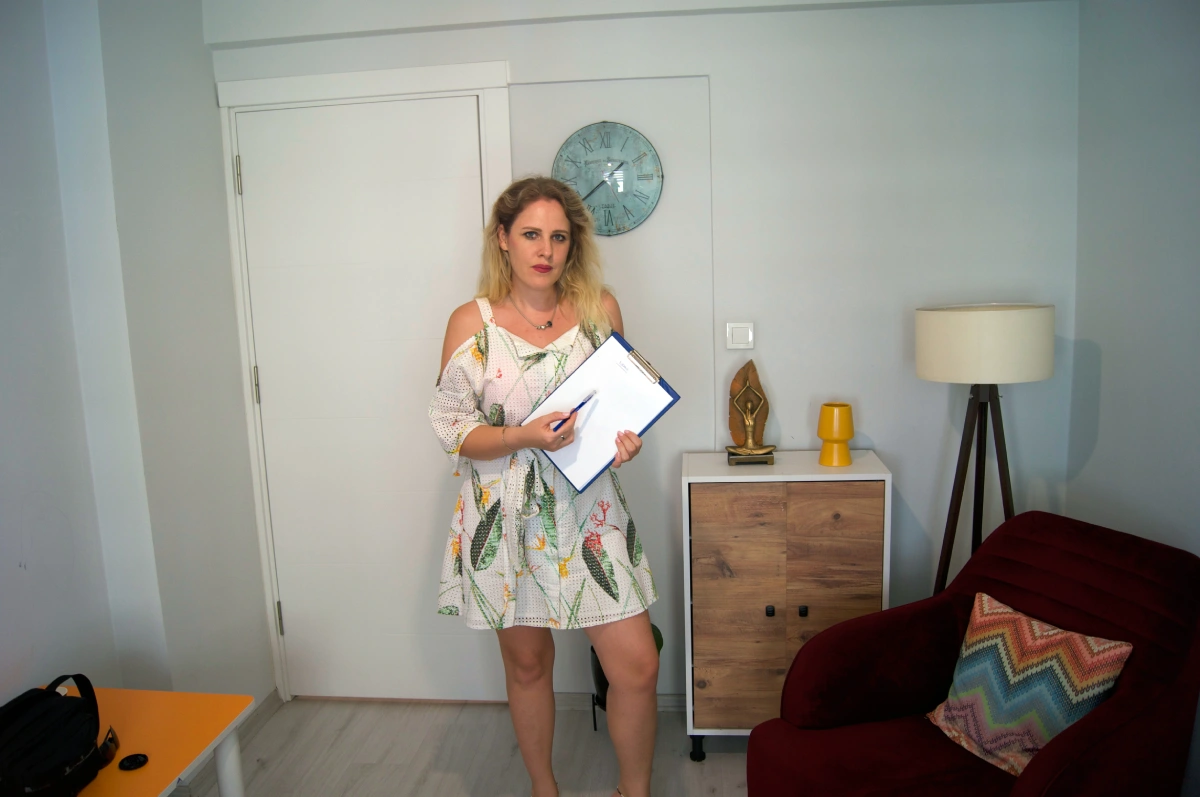

In today’s world, the roles expected of women have multiplied as never before: a good employee, an understanding partner, a caring mother, a strong individual… Women face the pressure of “being perfect” both in work and in their private lives. However, this constant state of appearing strong, over time, creates emotional burnout, a feeling of worthlessness and psychological fatigue. “Tired Woman Syndrome” describes not only physical fatigue but also mental burnout, emotional loneliness and the inner pressure brought by the constant effort to appear strong. While a woman appears strong to those around her, she can be experiencing a silent collapse in her inner world. While the mind keeps saying “I must endure,” the body and soul give the signal “enough now.” This syndrome is one of the most invisible but most common psychological strains of the women of our age.
What Are the Symptoms of Tired Woman Syndrome?
Although many women experiencing “Tired Woman Syndrome” appear strong, controlled and productive from the outside, they carry a deep feeling of burnout in their inner world. This usually goes unnoticed because the person acts on subconscious beliefs such as “getting everything done” and “not being a burden to anyone.” However, physical and mental symptoms become more apparent over time. Among the most frequently seen symptoms are constant fatigue, feeling unrested even upon waking in the morning, reluctance and intense emotional fluctuations. The woman gets no satisfaction from anything she does; even activities she enjoys begin to feel meaningless. Sleep problems, forgetfulness, difficulty concentrating and a frequent urge to cry can also accompany the picture. The sentences “you are so strong” that come from those around her increase the inner pressure even more. Another prominent aspect of this syndrome is the tendency to neglect oneself. The woman places others’ needs before her own; she acts on the thought “let them be happy first.” Over time this weakens self-worth and creates an inner feeling of emptiness. The woman who tries to get everything done but can never fully “exist” anywhere gives a silent cry: “I don’t want to endure any more.”
Why Does the Need to Constantly Appear Strong Arise?
The need to constantly appear strong is often not a conscious choice; it is a survival strategy learned in childhood. Individuals who grew up with no space made for their emotions in early childhood, with messages such as “don’t cry,” “be strong,” “act as if everything is fine,” try in adulthood too to exist by hiding their vulnerabilities. This, especially in women, turns into the belief “I must be enough for everything.” Social roles also feed this pressure. The sacrifice, patience and perfection expected of a woman internally give rise to the fear “if I appear weak, I won’t be loved.” For this reason, many women shy away from asking for help even when they are emotionally struggling. Appearing strong becomes a kind of emotional armour. However, this armour, over time, reduces mental flexibility and deepens emotional loneliness. At the root of this need usually lies a desire for approval. A child who was taught to be successful, responsible or to stay quiet in order to earn “well done” in childhood continues to live by the same patterns when they become an adult. But these patterns make it difficult for the person to connect with themselves. Real strength actually comes from being able to accept one’s vulnerability; but the effort to “always be strong” causes a person to move away from their own inner world.
The Psychological Causes of Emotional Burnout in Women
In women, emotional burnout is not explained only by taking on too much responsibility; beneath it lie deep psychological dynamics. The desire to “be there for everyone” and to “be flawless” in particular is, in most women, the result of patterns settled since childhood. Many women think that they have to constantly produce, achieve or meet others’ needs in order to feel valuable. This, over time, leads to the depletion of emotional energy. One of the basic causes of emotional burnout is the tendency to neglect oneself. While a woman prioritises the expectations of those around her, she does not notice her own limits. While acting on the constant thought “I have to do it,” she ignores the warnings her body and mind give. After a certain point, emotional regulation breaks down; the person can experience outbursts of anger, crying fits or withdrawal. In addition, the socially constructed figure of the “strong woman” leads to the suppression of emotions. When feeling sad, hurt or tired is perceived as weakness, a woman begins to deny her own emotional needs. When this suppression process lasts a long time, the person becomes exhausted both physically and psychologically. Real healing, on the other hand, comes from questioning the belief of “always being strong” and allowing oneself to feel one’s emotions.
What Can Be Done to Recover from Tired Woman Syndrome?
Tired Woman Syndrome, just as it does not develop in a day, does not pass in a day either. However, awareness is the first step of change. A person must first learn to accept the feeling of “I can’t endure any more” rather than suppress it. This acceptance enables burnout to be seen not as a weakness but as a signal of restructuring. Real strength lies not in suppressing one’s emotions but in understanding them. One of the most important steps in the recovery process is learning to set boundaries. When a woman ignores her own limits by saying “yes” to every request, she becomes worn down mentally. For this reason, saying “no” brings not guilt but freedom. Setting aside even a little time for oneself during the day is necessary for mental renewal. Resting, taking pleasure or even doing nothing is also a need. In addition, asking for support is not weakness but courage. Getting psychological support helps a person notice their emotions, analyse automatic behaviour patterns and reconnect with themselves. The way to recover from Tired Woman Syndrome comes from lightening inner burdens and taking off the mask of constantly being strong. Remember; healing begins the moment you say “enough now.”
The Psychological Importance of Making Time for Yourself
In the pace of modern life, many women see “making time for themselves” as a luxury. Yet this is not a choice; it is a basic need of mental health. While rushing among work, home, children and responsibilities throughout the day, a person depletes their own emotional capacity without noticing it. Over time, this lays the ground for psychological problems such as anxiety, depression and a feeling of burnout. Making time for yourself is not only resting; it is reconnecting with your self. A quiet walk, stopping to think over a cup of coffee, or spending time with an activity you love enables the mind to reorganise itself. These moments reduce stress hormones, increase awareness and strengthen emotional balance. Most importantly, they convey the message “I matter too” to the subconscious. Women often postpone themselves by saying “let them be happy first.” However, constantly pushing one’s own needs into the background creates an inner emptiness in the long term. Making time for yourself is not selfishness but self-respect. This small but effective habit enables a person to establish balance both in their relationships and in their inner world. Real healing begins in the quality time spent with oneself.
The Therapy Process for Women Who Constantly Try to Be Strong
For women who constantly try to be strong, the therapy process enables invisible emotional burdens to be noticed and responsibilities that cannot be carried to be redefined. In this process, the aim is not “how can I be stronger?” but finding an answer to the question “where does my need to appear strong come from?” This is because, for many women, this need is a reflection of a past fear of rejection or a worry of not being loved. In therapy, a woman experiences for the first time the lightness of being able to say “I don’t always have to be well.” Cognitive Behavioural Therapy and schema therapy approaches help a person notice their automatic thought patterns and transform their “I’m not enough” beliefs. The patient learns that being strong is actually possible with vulnerability too. This awareness re-establishes both inner peace and balance in relationships. Therapy is also a process of developing self-compassion. As a woman makes space for her emotions, she feels her own worth independently of others’ approval. The burdens silently carried lighten; life takes on a more balanced and genuine form. Getting online psychologist support in this process enables a person to notice that they are not alone and to gather strength again.
Take a Step to Cope with Tired Woman Syndrome
If you too feel as though you must constantly appear strong, and you notice that your fatigue has now seeped into your soul, this is not happening only to you. “Tired Woman Syndrome” is an inner cry that many women silently experience but cannot share. The first step to getting out of this cycle is to give yourself permission. To rest, to understand your emotions and to re-establish balance… Getting professional support throughout this process is an important opportunity to share your burdens and grow emotionally stronger. As Psychologist Nilay Özkan, I offer online therapy services in areas such as depression, anxiety, self-esteem problems, attachment and mood disorders. If you too want to re-establish balance in your own life story and make space for yourself, you can take the first step today.