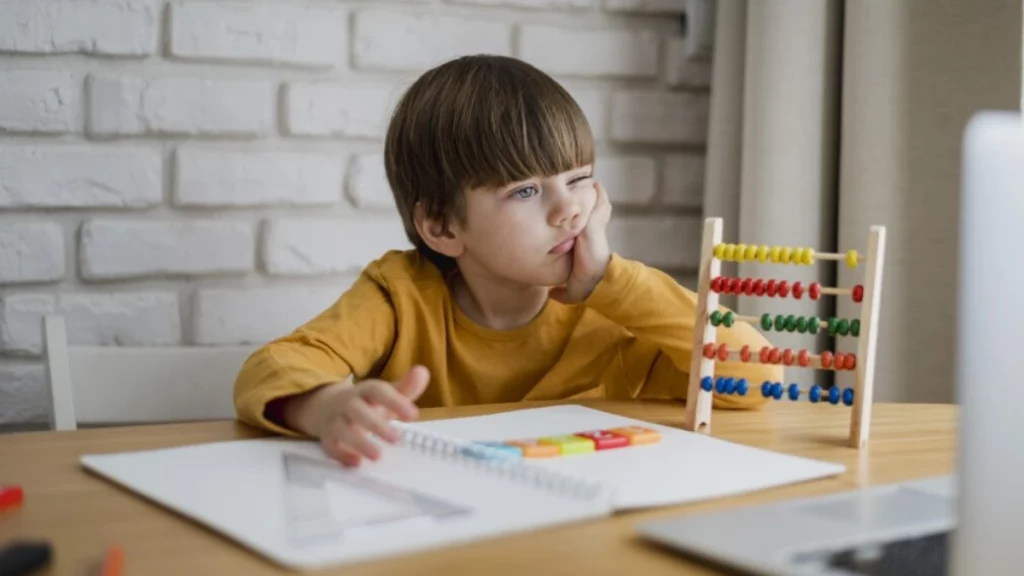
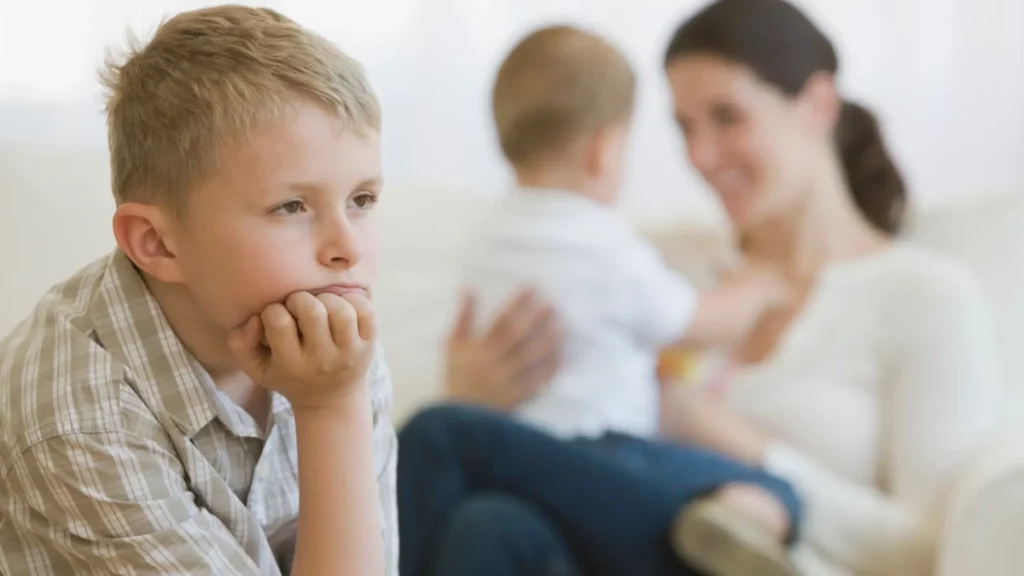
Sibling jealousy is a natural emotion that arises when children growing up in the same family compete with one another over parental attention, love, achievement or the things they own. In the early years in particular, a child can find it hard to share their parents’ love and may feel jealous when they think their sibling is getting more attention than they are. This can sometimes show itself through behaviours such as fighting, stubbornness, sulking or withdrawing into oneself.
Jealousy is not actually an entirely negative emotion; it can also be an opportunity for children to develop their skills in empathy, sharing and problem-solving. For this process to unfold in a healthy way, however, it is important that parents act fairly and support their children by highlighting their different qualities. In this way the feeling of jealousy can be kept under control and a strong bond can be built between siblings.
What Are the Symptoms of Sibling Jealousy?
Sibling jealousy is a common experience in children’s emotional world that can affect family dynamics. The signs of jealousy in children usually show themselves in behavioural and emotional ways. For example, after the arrival of a new sibling, reactions such as a greater effort to attract attention, crying, aggressive behaviour or withdrawal can be observed. These behaviours may stem from the child feeling inadequate or from a fear of losing their parents’ attention. Some children may refuse to share the toys or belongings they have, may become irritable towards their sibling out of jealousy, or may constantly give “me too” type responses. Emotional signs include sadness, restlessness, sleep problems and, at times, outbursts of anger. The intensity of these signs can vary according to the child’s age group and character; some react more openly and aggressively, while others respond in an inward and quiet way. It is very important for parents to notice these signs early in order to manage jealousy. Observing the signs of sibling jealousy and providing appropriate guidance and support helps the child to continue their emotional development in a healthy way. In addition, approaches that encourage positive communication between children can reduce the negative effects of jealousy in this process.
Causes of Sibling Jealousy in Children and Its Psychological Effects
Sibling jealousy in children mostly stems from changes within the family and can create significant effects in the child’s emotional world. The birth of a new sibling brings changes to parents’ attention and time; this can lead the existing child to feel neglected. In addition, children’s character traits, ages and previous experiences also shape their jealousy reactions. Another cause of sibling jealousy is the need to attract attention. In order not to lose the parent’s attention, the child may increase their behaviour in various ways: they may cry more often, behave aggressively in games or have difficulty fulfilling their responsibilities. In this process the child’s self-confidence can be damaged and their self-esteem negatively affected. The psychological effects can be both short-term and long-term. In the short term, restlessness, sleep disorders, irritability and difficulties in social relationships can be seen. In the long term, there is a risk of shortcomings in emotional-regulation skills, problems in relationships with siblings, or the formation of jealousy-based behaviour patterns in later years. It is critically important for parents to understand the causes of these signs of jealousy in their children in order to develop appropriate strategies. In this way, both the children’s emotional development is supported and family relationships are sustained in a healthier way.
Measures to Take Against Sibling Jealousy When a New Sibling Arrives
The arrival of a new sibling can create both excitement and anxiety for the existing child. Sibling jealousy is a common occurrence in this process, and the child may feel pushed into the background at the thought that the attention within the family will decrease. For this reason, it is important for parents to plan ahead and develop appropriate strategies. One of the measures is to involve the child in the process. For example, by giving the child small tasks related to the baby, you can foster their sense of responsibility and help them feel important. In addition, setting aside special time for the child in the period before and after the birth helps to meet their emotional needs. Giving the child the opportunity to express their feelings supports them in understanding and accepting that the feeling of jealousy is natural. Parents’ positive and balanced approach can reduce the intensity of jealous behaviours. For instance, instead of punishing a child who shows jealousy, it is effective to praise their positive behaviours and to model correct sharing behaviours. Furthermore, supporting the interaction between siblings through games and activities strengthens the bond between them and minimises the negative effects of the feeling of jealousy. It should not be forgotten that preparing for the arrival of the new sibling and taking the right measures increase the child’s emotional adjustment and contribute to sustaining healthy relationships within the family.
Suggestions and Strategies for Parents to Reduce Sibling Jealousy
Sibling jealousy can be greatly reduced with conscious intervention from parents. First of all, it is important to understand and accept the child’s feelings. Instead of suppressing the feeling of jealousy, allowing the child to express their feelings helps them feel safe. By setting aside individual time for the child, parents can make them feel special and valued. Planning small but meaningful activities within daily routines reinforces the child’s sense of security. In addition, correct behaviours can be rewarded through positive reinforcement methods; behaviours such as sharing and cooperation are reinforced through praise. Involving the child in decision-making processes is also an effective strategy. For example, asking for the child’s opinion when choosing a toy for the new sibling, or on simple daily tasks, makes them feel important. Alongside this, instead of overreacting in moments of jealousy, managing the situation calmly and modelling exemplary behaviour develops the child’s emotional-regulation skills. Finally, encouraging open communication within the family strengthens children’s emotional intelligence and their capacity for empathy. These strategies reduce the negative effects of jealousy between siblings while also strengthening family bonds.
Game and Activity Suggestions to Strengthen Communication Between Siblings
Developing a healthy relationship between children is one of the most effective ways to prevent sibling jealousy. Games and activities enable children to build positive interaction with one another and strengthen social skills such as sharing and cooperation. For example, arranging shared playtimes helps children spend time together and understand one another’s feelings. Simple cooperative games, puzzles, or drawing and craft activities done together help children develop team spirit. In addition, giving them small tasks they can take responsibility for together at home supports them in trusting one another and strengthening their bond. In this process, parents should be role models. Approaching moments of conflict in a calm and solution-focused way teaches children problem-solving and reconciliation skills. A system of praise and appreciation is also important; when children see their positive behaviours recognised, they tend to repeat them. Regular and planned activities not only reduce the feeling of jealousy but also strengthen the bond between siblings. In this way, children reinforce their sense of emotional security and develop healthier communication in family relationships.
The Importance of Seeking Professional Support in the Case of Sibling Jealousy
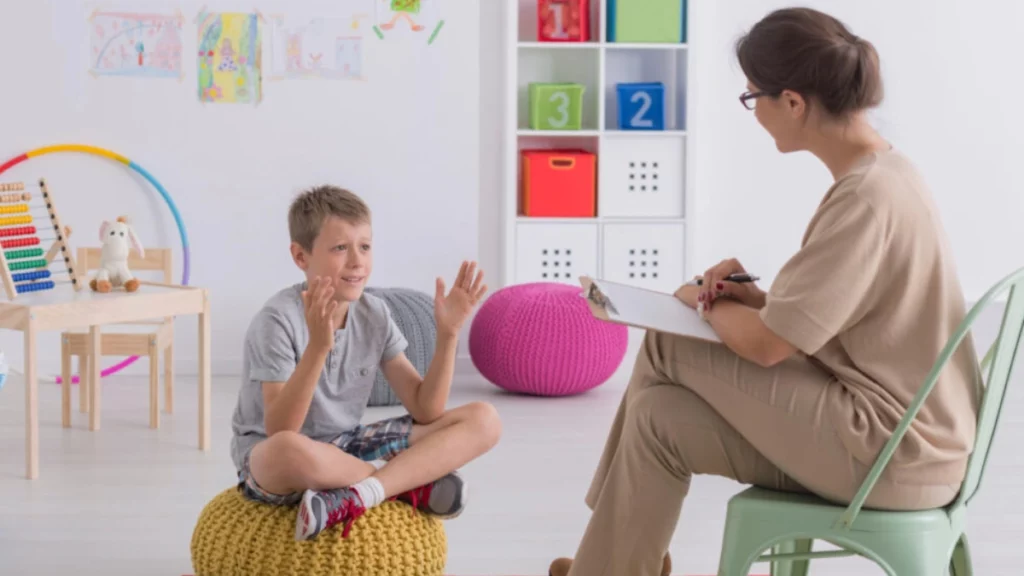
In some cases, sibling jealousy can become challenging for both child and parents. When jealous behaviours are severe, persistent or aggressive, tension within the family can increase and children’s emotional development can be negatively affected. It is at this point that seeking professional support from an online psychologist becomes important. By correctly analysing children’s emotional needs, psychologists develop strategies for managing jealous behaviours. They also teach parents appropriate approaches to their children’s reactions and offer suggestions to strengthen communication within the family. Online therapy provides families with flexibility in this process; observations can be made in the home environment and solution-focused guidance can be applied quickly. Professional support does not only reduce the signs of jealousy; it also strengthens the child’s self-confidence and capacity for empathy. Relationships between siblings become healthier, and trust and connection between family members grow stronger. Particularly when parents cannot provide enough support because of a busy work schedule or long distances, online therapy offers an effective and practical solution. In short, seeking professional help in cases of sibling jealousy is a critical step for both children’s emotional development and peace within the family.
Start Managing Sibling Jealousy with Online Therapy
When it is recognised early and managed in the right way, sibling jealousy strengthens family relationships and supports children’s emotional development. If your child’s jealous behaviours are challenging you or you are finding it hard to reach a solution, you can get professional support through online therapy. As Psychologist Nilay Özkan, with over 10 years of experience in child and family counselling, I help you understand your child’s emotional needs and develop healthy ways of communicating. Online therapy offers you safe and effective support in the comfort of your own home.