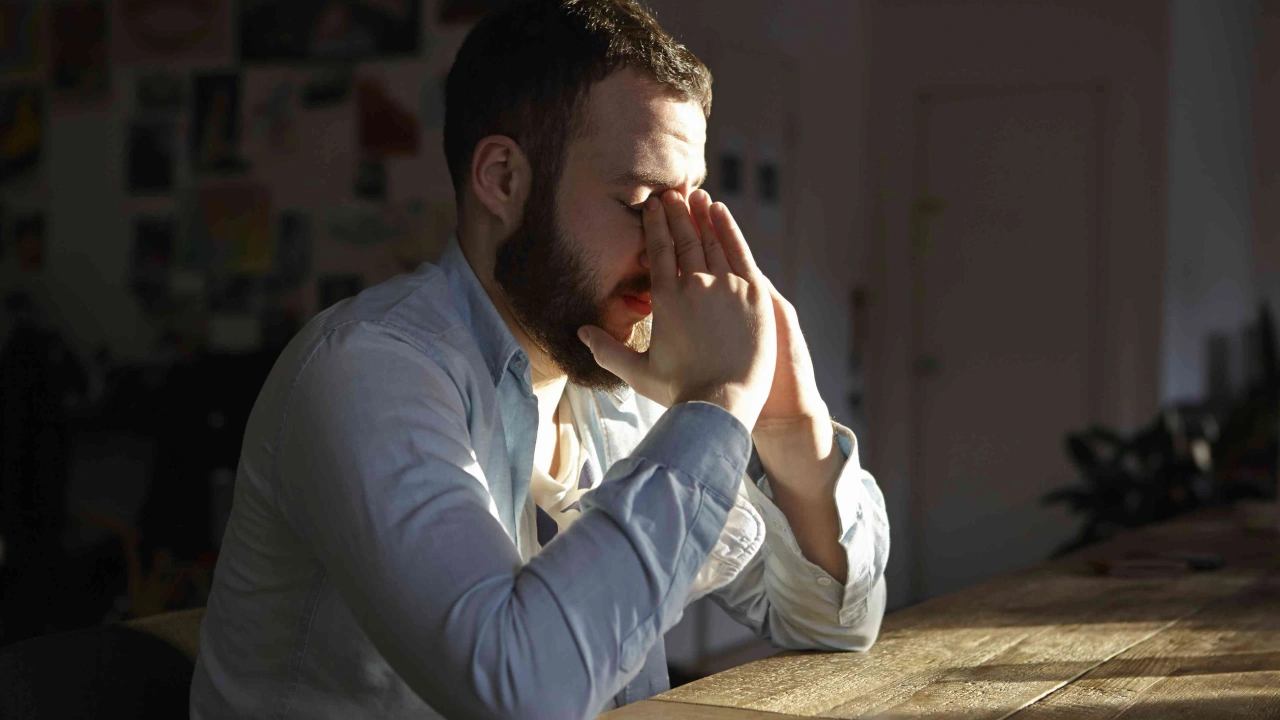

Sexual abuse and trauma are serious experiences that deeply affect a person’s physical and psychological health alike. Such experiences often damage a person’s sense of trust, lower their self-confidence, and lead to difficulties in daily life activities. Among the reactions frequently seen in people after trauma are anxiety, depression, sleep disorders, intense fear, and social withdrawal. These symptoms can affect both a person’s personal and professional life. People who experience sexual abuse and trauma often cannot shake off the effects of what they went through for a long time. At this point, seeking psychological support is critically important. Therapy is an effective method for understanding the effects of trauma, developing coping strategies, and regaining a sense of trust. With the right guidance and support, the post-trauma healing process can improve both psychological and social quality of life.
Psychological Symptoms After Sexual Abuse
The psychological symptoms after sexual abuse can seriously affect a survivor’s quality of life and daily functioning. One of the most common symptoms is anxiety. Survivors may experience a constant sense of danger, panic attacks, or intense worry. This can lead to consequences such as withdrawal from social relationships and a break in communication with friends and family. In some people, depression symptoms come to the fore; hopelessness, lack of motivation, loss of energy, and even suicidal thoughts can be seen. Sleep disorders, nightmares, and the traumatic event repeatedly coming to mind (flashbacks) are also common symptoms. These symptoms negatively affect both the survivor’s work and social life. In addition, feelings of guilt and shame after sexual abuse can cause a person to develop negative thoughts about themselves. Some people may try to protect themselves by shutting down emotionally or through overly controlling behaviour. Early intervention is critically important in reducing the severity of these symptoms. Psychological support and therapy make it possible to process emotions in a safe environment, develop coping skills, and reduce the effects of trauma. With the option of online therapy, survivors can receive professional support in the comfort of their own homes and speed up the healing process.
Post-Traumatic Stress Disorder and Treatment Methods
Post-traumatic stress disorder (PTSD) is a psychological condition frequently seen in people who have experienced sexual abuse or other traumatic events. PTSD shows itself when, following the trauma experienced, a person constantly experiences memories related to the event, nightmares, and intense emotional reactions. This can seriously affect a person’s daily life activities, work performance, and social relationships. Symptoms include anxiety, hyperarousal, social withdrawal, and depression. In the treatment of PTSD, cognitive behavioural therapy (CBT) and trauma-focused therapies come to the fore. While CBT helps a person restructure their traumatic thoughts and beliefs, trauma-focused therapies make it possible to process the event safely. In addition, techniques such as EMDR (Eye Movement Desensitisation and Reprocessing) are effective methods for reducing the impact of traumatic memories. Sessions carried out through online therapy platforms offer people who have experienced trauma professional support in the comfort of their home and speed up the healing process. Leaving PTSD untreated for a long time can lead to additional psychological problems such as depression, anxiety, and sleep disorders. For this reason, it is critically important that people showing post-trauma symptoms receive support from a specialist psychologist early on. Online therapy makes an active contribution to the healing process by enabling survivors to receive support in a safe environment.
How to Provide Psychological Support to Survivors of Sexual Abuse
Providing psychological support to survivors of sexual abuse is critically important for reducing the effects of trauma and raising a person’s quality of life again. The support process begins first with the survivor being able to express their emotions in a safe environment. At this stage, an empathic approach — accepting and listening to the survivor’s emotions without judgement — is the basic principle. In this way, by feeling understood, a person becomes ready to process the effects of the trauma. In the psychological support process, cognitive behavioural therapy (CBT) and trauma-focused therapies are frequently applied. These methods help a person recognise their negative thoughts about the traumatic event, reappraise them, and develop coping strategies. In addition, relaxation techniques, breathing exercises, and planning daily routines are effective in reducing a survivor’s level of anxiety and stress. Thanks to online therapy options, survivors can receive professional support in a safe environment at home and continue the healing process with regular follow-up throughout. Psychological support not only reduces the effects of trauma but also helps a survivor rebuild their self-confidence, strengthen their social relationships, and regain emotional balance. Early intervention minimises the long-term effects of trauma and contributes to a person living a healthy life.
The Relationship Between Post-Traumatic Anxiety and Depression
Sexual abuse and other traumatic experiences set the stage for the emergence of both anxiety and depression symptoms. In people who have experienced trauma, anxiety develops due to a constant state of fear and unease, a loss of control, and a perception of threat. This shows itself through symptoms such as sleep disorders, difficulty concentrating, and social withdrawal. Anxiety that continues for a long time can drain a person’s mental energy and lead to the emergence of depression. Depression, in turn, shows itself through symptoms such as hopelessness, lack of motivation, intense fatigue, and social isolation. By feeding each other, anxiety and depression deepen the effects of trauma and negatively affect a person’s daily life activities. For this reason, post-trauma psychological support and therapy are critically important in reducing the effect these two conditions have on each other. Online therapy sessions allow survivors to ease their emotional burdens and develop coping skills in a safe environment in the comfort of home. Early intervention prevents anxiety and depression from becoming chronic, speeds up a person’s psychological healing, and improves their quality of life. By making it possible to process the effects of trauma safely, professional support helps a person regain their self-confidence.
Trust Problems and Relationship Effects After Sexual Abuse
After the trauma they have experienced, survivors of sexual abuse can experience serious damage to their sense of trust. This shows itself both in close relationships and in social settings. Survivors may behave suspiciously and cautiously toward others; they may struggle to express their emotions or develop overly controlling attitudes in relationships. These trust problems can create difficulty with attachment in romantic relationships, distance in friendships, and breaks in family communication. These difficulties in relationships are the concrete consequences of the effects of trauma on daily life. Psychological support and online therapy are a critical tool for understanding and processing these trust problems and building healthy relationships again. In the therapy process, the survivor is enabled to express their emotions in a safe environment, and a sense of trust in oneself and others is rebuilt. Online therapy allows survivors to manage this process more comfortably and safely by receiving support in their own environment. Psychological support carried out with expert guidance reduces the effects of trauma while helping a person strengthen their social relationships and regain their sense of trust. In this way, it becomes possible for life after trauma to return to normal and for healthy bonds to be formed.
Trauma Therapy and Online Psychological Support
Sexual abuse and other traumatic experiences can leave lasting psychological effects on a person. To reduce these effects and lead a healthy life, trauma therapy plays a critical role. Trauma therapy aims to process the experienced event in a safe environment, understand emotional reactions, and develop coping skills. In the therapy process, the effects of trauma on a person’s life are minimised by using cognitive behavioural therapy (CBT), EMDR, and other trauma-focused techniques. Today, online psychological support makes the trauma therapy process more accessible and safer. Survivors can hold sessions with a specialist psychologist in the comfort and safety of their own homes. Online therapy makes it possible to receive post-trauma support without limitations of time or place. In addition, regular follow-up and support increase the effectiveness of therapy and speed up the healing process. Trauma therapy and the support of an online psychologist help survivors restructure both their psychological and social lives. Therapy that begins early reduces the long-term effects of trauma, helps a person regain their self-confidence, and improves their quality of life. Professional support is the safest and most effective path to healing after trauma.