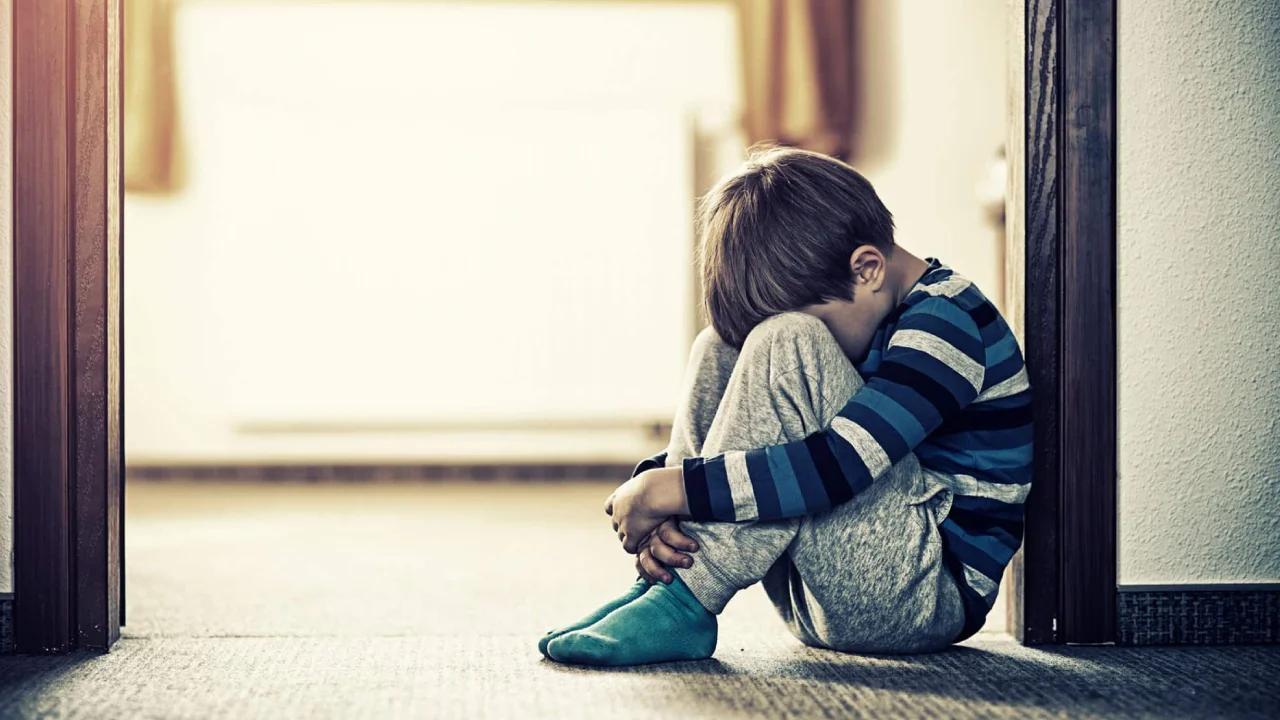
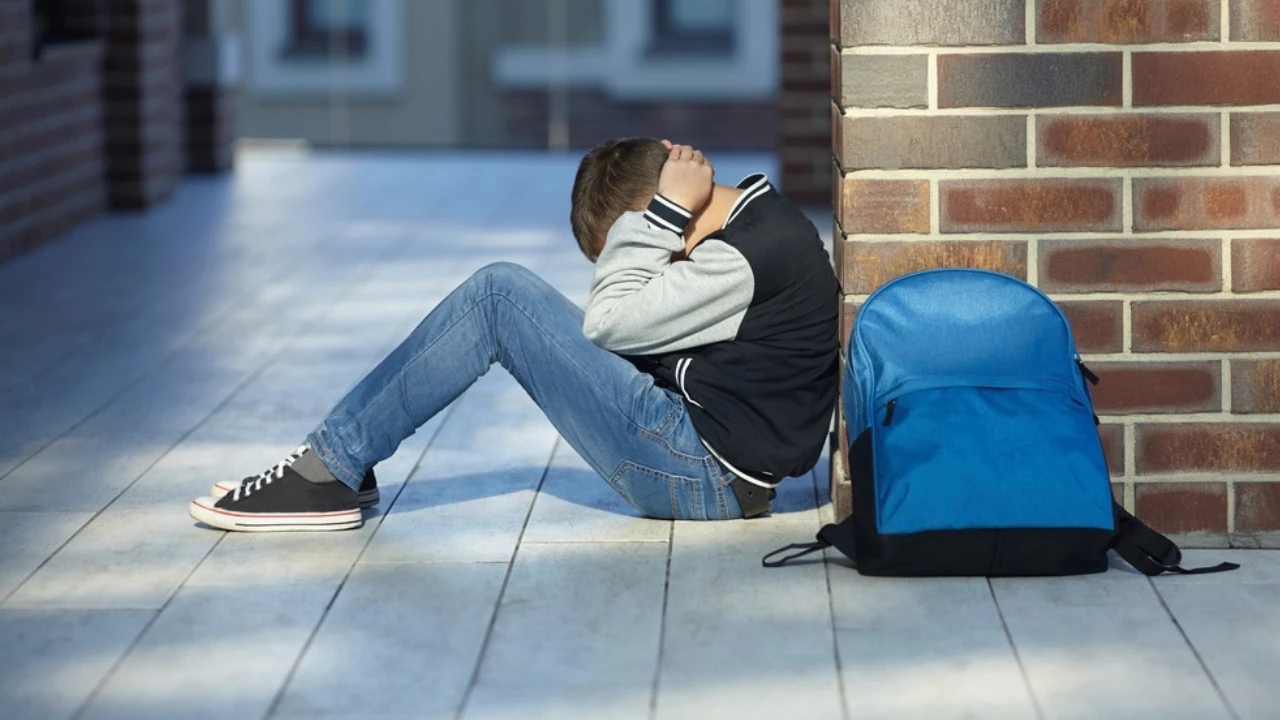
School violence includes behaviour that causes or threatens physical or psychological harm to a student at school, on the journey to school, during a school activity or in a digital space connected with school life. It can include hitting and pushing, but also threats, humiliation, sexual harassment, extortion, damage to belongings, discrimination and online attacks. Violence may occur between students, from an adult towards a student, or from a student towards a member of staff.
Not every disagreement is violence. Children argue, become angry and encounter social conflict. Violence involves harm, intimidation or control. When the behaviour is repeated and involves a power imbalance, it may also meet the definition of peer bullying. A single serious assault still requires a safety response even if it has not happened before.
What Forms Can School Violence Take?
Physical violence includes hitting, kicking, pushing, restraining, injuring somebody or damaging possessions. Calling an act “a joke” does not remove its effect if a child was frightened, humiliated or hurt.
Verbal and psychological violence can involve threats, insults, degrading nicknames, discriminatory language, humiliation about appearance or family, and systematic exclusion. The absence of a visible injury does not make these experiences harmless.
Sexual violence and harassment may involve unwanted sexual comments, images, touching, pressure or coercion. A child’s apparent agreement does not remove adult safeguarding responsibilities. Child-protection procedures should be followed according to the child’s age, the event and local requirements.
Digital violence can include threatening messages, sharing images without permission, impersonation, humiliation in group chats and persistent online monitoring. An incident may occur outside school hours and still affect safety, attendance and relationships at school.
Violence may also be directed at a person because of disability, ethnicity, religion, gender, sexual orientation, economic circumstances or another characteristic. The prejudice involved needs attention alongside the immediate behaviour. Treating it as an ordinary quarrel can leave both the targeted child and the wider group unsafe.
What Warning Signs Might a Child Show?
Some children describe an incident directly. Others remain silent because they are afraid, ashamed, worried about retaliation or convinced that adults will not believe them. No single sign proves that violence occurred, but sudden and persistent changes deserve careful attention:
- Refusing school or reporting headaches and stomach aches on school days
- Unexplained injuries, torn clothing, missing money or damaged belongings
- Nightmares, disturbed sleep, startling easily or remaining constantly alert
- A sudden decline in schoolwork or difficulty concentrating
- Withdrawal from friends, isolation or angry outbursts
- Fear of phone notifications or suddenly deleting accounts
- Asking for money, hiding possessions or changing the route to school
- Self-blame, statements of worthlessness or hopelessness
School avoidance has several possible causes. When fear and physical complaints become prominent, the signs described in school refusal should be considered alongside the possibility of a safety problem. A calm, open conversation is usually more useful than rapid questioning that feels like an interrogation.
How Should an Adult Respond When a Child Discloses Violence?
The first response can shape what the child does next. Questions such as “Why did you not fight back?” or “What did you do to cause it?” may transfer responsibility onto the child. More supportive responses include “Thank you for telling me,” “This is not your fault,” and “We will get help to keep you safe.”
Listen without interrupting. Ask who, what, where and when only to the extent needed for immediate safety and reporting. Requiring the child to repeat the account to many people can add distress. Record what was said as closely as possible in the child’s own words. Preserve relevant messages or images safely, but do not circulate humiliating material unnecessarily.
Avoid promising complete secrecy. Serious risk may require information to be shared with designated school staff, child-protection services, healthcare professionals or law enforcement. Explain, in age-appropriate language, why the information needs to be shared, with whom and what is likely to happen next. Keeping the child informed helps restore some sense of control.
Do not arrange an informal confrontation between children before risk has been assessed. A forced apology or mediation can expose the targeted child to pressure when the power imbalance remains. Restorative approaches, where appropriate, require trained facilitation, genuine choice and established safety.
How Should Schools and Families Intervene?
Immediate safety comes first. If an assault is continuing, a weapon is present, a serious threat has been made, sexual violence is alleged or somebody is injured, move the child away from danger and contact the relevant local emergency services. Medical assessment should not be delayed when there is an injury.
When there is no immediate danger, use the school’s written reporting and safeguarding procedures. Record dates, places, witnesses and previous reports. The purpose of initial meetings is not to force children into a confrontation but to assess risk and establish protection.
A safety plan should be specific. Which trusted adult can the student approach? Where can they go during a break? Does travel to and from school need to change? How will digital evidence be stored and harmful accounts reported? When will adults review whether the plan is working? Vague instructions to “stay away from each other” may not be enough.
A child who has used violence should not simply be labelled a “bad child” and ignored. Boundaries and consequences must be clear, while possible needs—exposure to violence, trauma, impulsivity, social difficulties or family stress—are assessed by appropriate professionals. Offering support does not excuse harmful behaviour; it helps reduce the likelihood of repetition.
What Are the Psychological Effects?
Exposure to violence can affect safety, learning and relationships. A child may remain on alert, react strongly to sounds, experience intrusive memories or avoid places associated with the incident. Shame and self-blame may occur, while other children respond with anger or aggression.
Not every exposed child develops post-traumatic stress disorder. What matters is whether symptoms reduce over time, how intense they are and how much they interfere with life. Persistent nightmares, avoidance, heightened arousal or re-experiencing may warrant assessment for post-traumatic stress symptoms.
Witnesses can also be affected. Seeing violence or expecting another incident may undermine a whole class’s sense of safety. Communication with students should protect the affected child’s privacy, discourage rumours and redistribution of images, and state clearly how students can seek help.
Consequences can extend to attendance and achievement. A child who is scanning the room for danger has fewer mental resources available for learning. Declining grades should therefore not automatically be treated as lack of effort. Safety and emotional regulation may need attention before academic performance recovers.
How Can a Safer School Environment Be Built?
Prevention involves more than punishment after an event. Schools need accessible reporting channels, consistent adult responses, clear rules against discrimination and opportunities to build social and emotional skills. Students are more likely to report concerns when they are not labelled disloyal or weak for doing so.
Families can discuss school relationships regularly rather than waiting for a crisis. Questions such as “Did anything make you feel unsafe today?” and “Which adult could you go to at school?” may be easier to answer than “Is everything fine?” The aim is not to frighten children but to make help-seeking ordinary.
Adults should also model disagreement without humiliation or violence. A school cannot teach safety effectively if students see adults using threats, ridicule or physical punishment. Prevention is a whole-school responsibility involving leadership, staff, students, families and appropriate community services.
School violence is not a problem that a child should solve alone. Safety belongs to adults and institutions. A sound response combines believing the child, assessing immediate danger, documenting the event, following appropriate safeguarding channels and monitoring psychological effects. This article provides general education and does not replace emergency, child-protection, medical or legal assessment.