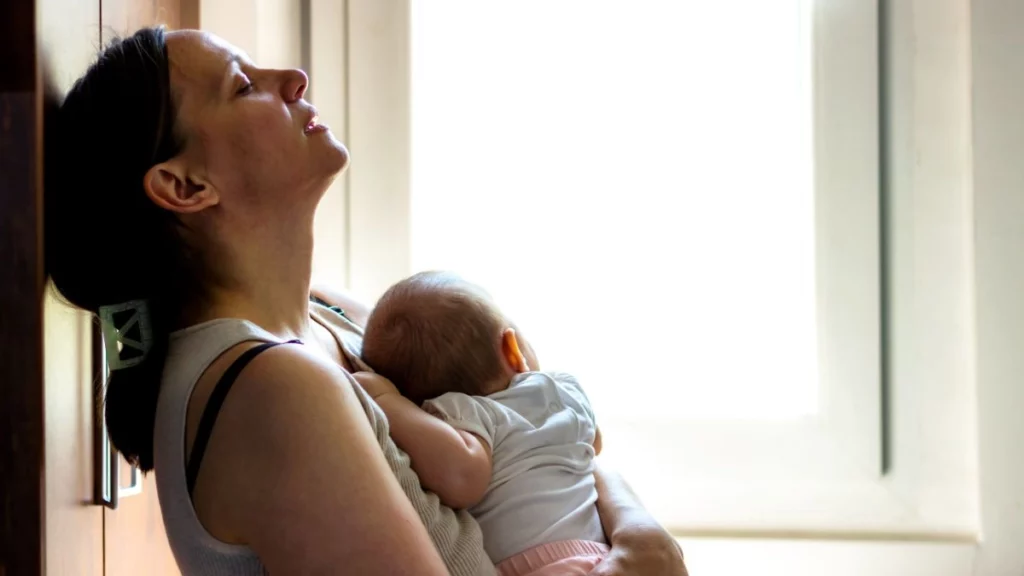
Postpartum depression is one of the most commonly encountered of the emotional and psychological difficulties that mothers may experience in the period after birth. Hormonal changes after childbirth, disrupted sleep and the responsibilities of motherhood can all play a part in its emergence. Postpartum depression can affect not only mothers but also, indirectly, relationships within the family and the baby’s development. This type of depression usually begins between the first few weeks and the first few months after birth, and its symptoms can range from mild to severe. Emotional ups and downs, extreme fatigue, indifference, guilt and anxiety are frequently observed among the symptoms of postpartum depression. Early diagnosis and the right support are critically important for the health of both the mother and the baby.
What Are the Symptoms of Postpartum Depression?
Postpartum depression develops as a result of the emotional and physical changes that arise in new mothers after birth. These symptoms are usually noticed within the first few weeks after childbirth and may increase in severity over time. Among the most common symptoms are extreme fatigue, feeling constantly unhappy, crying spells and a loss of energy. In some mothers, sleep disorders, changes in appetite and social withdrawal may also be observed. In addition, mothers may frequently feel worthless, guilty or inadequate. Indifference towards the baby or difficulty bonding is also an important part of the symptoms of postpartum depression. In some cases, anxiety, panic attacks or a constant sense of worry may appear. Although the severity of symptoms varies from person to person, symptoms that persist for a long time or affect daily life always call for specialist support. Noticing them early and intervening correctly is of great importance not only for protecting the mother’s mental health but also for the baby’s development and relationships within the family. Receiving support for the symptoms of postpartum depression through online therapy can help ease the emotional burden on new mothers and improve their quality of life.
Causes of Postpartum Depression
Postpartum depression usually arises from the coming together of many factors. One of the most important causes is the hormonal changes after birth. The rapid drop in progesterone and oestrogen levels can lead to fluctuations in a mother’s mood. These hormonal changes increase the risk of postpartum depression, particularly in mothers with a previous history of depression or anxiety. Psychosocial factors also play a critical role among the causes of postpartum depression. Insufficient social support, problems with a partner or within the family, financial worries and a sense of loneliness can raise a mother’s stress levels. In addition, traumatic experiences during pregnancy and birth, difficult deliveries or premature births can be counted among the causes of postpartum depression. Physical causes should not be overlooked either; lack of sleep, chronic fatigue and complications after birth can reduce a mother’s emotional resilience. The combination of these increases a mother’s risk of developing depression. For this reason, it is of great importance that mothers pay attention to both their physical and their psychological health in the period after birth, and seek support as soon as they notice symptoms. Online therapy can be used as an effective method for understanding the causes of postpartum depression and developing coping strategies.
Postpartum Depression Risk Factors
Although postpartum depression is a condition that can occur in any mother, certain risk factors increase the likelihood of it emerging. First of all, mothers who have previously experienced depression or anxiety are in a high-risk group for developing postpartum depression. A psychological history is one of the clearest predictors of postpartum depression. A lack of social support is also an important risk factor. Insufficient support from a partner, family members or friends can heighten a mother’s feelings of loneliness and helplessness. In addition, traumas experienced during pregnancy and birth, or difficult deliveries, can create emotional vulnerability in a mother. Financial problems, work stress and conflict at home are among the other factors that raise the risk of postpartum depression. Alongside this, being unprepared for the experience of motherhood, disrupted sleep and health problems affecting the baby can also strain a mother’s emotional resilience. The better the risk factors for postpartum depression are understood, the more effective early intervention and preventive steps become. Online therapy can provide mothers with support to assess these risk factors and develop personalised strategies.
Methods for Coping with Postpartum Depression
For mothers experiencing postpartum depression, the right coping methods speed up the process of emotional recovery and improve daily quality of life. First of all, receiving social support is of great importance. Sharing feelings with a partner, family and friends reduces a mother’s sense of loneliness and strengthens her sense of security. Regular sleep and healthy eating are among the fundamental steps in coping with postpartum depression. When sleep is disrupted, depression symptoms can become more severe. For this reason, it is important to accept help with the baby’s care and to create short opportunities for rest. In addition, light physical activities such as exercise and walking have a positive effect on mood by increasing the release of endorphins. Mental techniques are also an effective method. Meditation, breathing exercises and mindfulness practices reduce stress and anxiety. And when necessary, seeking professional support is very important. Online therapy provides psychological support to mothers experiencing postpartum depression, helping to ease their emotional burden and develop healthy coping strategies.
The Difference Between Postpartum Anxiety and Depression
Two mental-health conditions frequently seen in mothers after birth stand out as postpartum anxiety and postpartum depression. Although both can show similar symptoms, knowing the differences between them is important for early intervention. Postpartum depression usually shows itself through persistent sadness, indifference, a sense of worthlessness and a loss of energy. Anxiety, on the other hand, is marked by intense worry, panic attacks, excessive apprehension and a need for control. In some mothers, symptoms of both depression and anxiety can appear together. For example, a mother may both feel worthless and worry excessively about her baby’s safety. This can make her daily life and the process of caring for her baby more difficult. The difference between postpartum anxiety and depression becomes clear once the intensity and type of symptoms are recognised correctly. Early diagnosis is critically important for both depression and anxiety. When it is deemed necessary, receiving specialist support through online therapy eases mothers’ emotional burden, strengthens their stress-coping skills and speeds up the process of emotional recovery.
Support and Treatment Methods for Postpartum Depression
When noticed early, postpartum depression can be managed effectively. Support and treatment methods both protect mothers’ mental health and support the baby’s healthy development. First of all, receiving psychological support through an online psychologist is very important. Therapists offer mothers a safe space in which to express their thoughts and feelings, and develop personalised coping strategies. Medication may be used in some cases, on a doctor’s recommendation. Antidepressant or anxiolytic medicines can help stabilise a mother’s emotional balance; however, the decision to use them must always be made under specialist supervision. In addition, social support systems play a critical role. Support from family, a partner and friends prevents a mother from feeling alone and speeds up the recovery process. Small changes to daily routines are also important. Regular sleep, healthy eating and light physical activity are effective in reducing depression symptoms. Online therapy enables a mother to receive professional support from wherever she is, offering a flexible and accessible form of treatment. In this way, mothers struggling with postpartum depression can both protect their mental health and take healthier steps through the process of parenthood.
Get Support for Postpartum Depression with Online Therapy
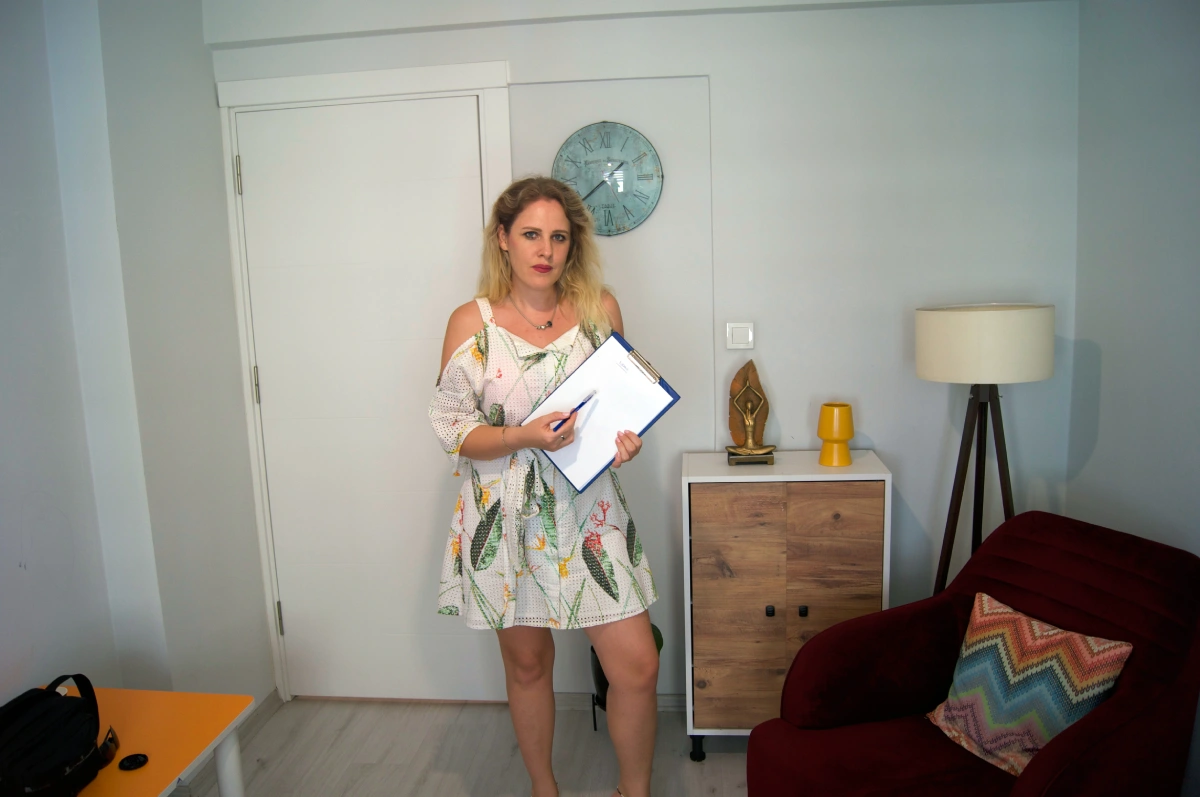
When it is not noticed early, postpartum depression can affect the quality of life of both mother and baby. However, with the right support and professional guidance, it is possible to manage this process. Online therapy helps you ease your emotional burden in the comfort of your own home, alongside a specialist psychologist. As Psychologist Nilay Özkan, I offer online therapy tailored to mothers experiencing postpartum depression and anxiety. Sessions are conducted with an individual counselling approach, in line with the mother’s needs. Through online therapy, you can manage the symptoms of postpartum depression, strengthen your mental health and step into the process of parenthood with more confidence.