
Divorce is not only the end of a relationship; it is also a process in which a person goes through deep changes in their identity, their sense of trust, and their perception of the future. During this period, many people can struggle to cope with intense emotions such as loss, loneliness, guilt, or anger. This is exactly where post-divorce counselling becomes a tool that supports both the emotional and the psychological healing process. Getting counselling after a divorce helps a person make healthy sense of their past relationship, rebuild their self-esteem, and step into the future with greater confidence. Especially in long-term relationships, a person can find it hard to think of their own identity separately from their spouse. While the counselling process supports this separation of identity, it also helps the person find a sincere answer once again to the question “who am I?” In this way, the person becomes aware of the burdens they carry from past relationship dynamics and prepares psychologically for a new beginning.
How to Get Psychological Support After Divorce
The divorce process is an emotionally exhausting period. During this time, a person both experiences the loss of a past relationship and tries to cope with uncertainties about the future. In this period, getting psychological support increases a person’s emotional resilience and helps them go through a healthier healing process. Working with a professional psychologist helps a person express their feelings without suppressing them, become aware of their thought patterns, and prepare for a new order of life. The first step in the process of psychological support after divorce is for the person to notice the emotional fluctuations they are experiencing and to accept them without judgement. The counselling process supports the person in getting to know their own needs again, defining their boundaries, and strengthening their self-esteem. Approaches such as schema therapy, cognitive behavioural therapy, or emotion-focused therapy help a person make sense of their past relationship patterns and build healthier relationships in the future. Psychological support after divorce should be seen not only as something for a moment of crisis but as a long-term healing process. Thanks to regular therapy sessions, a person transforms emotions such as loneliness, guilt, or anger. In this way, as they open a new chapter in their life, they become an emotionally stronger, more balanced, and more confident individual.
Methods of Emotional Healing During Divorce
The divorce process can cause intense emotional turbulence in a person; feelings such as sadness, anger, guilt, and loneliness are common. During this period, methods of emotional healing help a person get through the process in a healthier way and regain their psychological balance and self-esteem. The first step is to accept emotions rather than suppress them and to try to understand them. This awareness allows a person to make peace with themselves and develop healthy coping strategies. Therapy techniques are highly effective in the emotional healing process. Cognitive behavioural therapy (CBT) makes it possible to notice negative thought patterns and replace them with more constructive beliefs. Mindfulness and breathing exercises reduce a person’s momentary anxiety and stress and strengthen their emotional regulation. In addition, writing down your feelings or joining a support group also contributes to the healing process. With regular practice, a person learns to process the losses and difficulties brought on by divorce in a healthier way and can continue their life with balance.
Ways to Cope with Feelings of Loneliness After Divorce
Loneliness after divorce is one of the most challenging emotions for most people. The end of a long-term relationship creates both a social and an emotional void. During this period, a person may feel isolated, worthless, or abandoned. The first step in coping with feelings of loneliness is to accept your emotions and observe them without judgement. Learning to support yourself is one of the cornerstones of the healing process. One method that can be applied to cope with loneliness is strengthening social connections. Spending time with friends, staying in touch with family, or joining support groups reduces a person’s feelings of loneliness and increases their emotional resilience. In addition, taking up hobbies, doing sport, or engaging in creative activities both keeps the mind occupied and helps rebuild self-confidence. Seeking professional support addresses feelings of loneliness in depth and gives a person healthy coping strategies. Regular therapy sessions allow a person to see loneliness not as a threat but as a healing process.
How Should You Communicate with Children After Divorce?
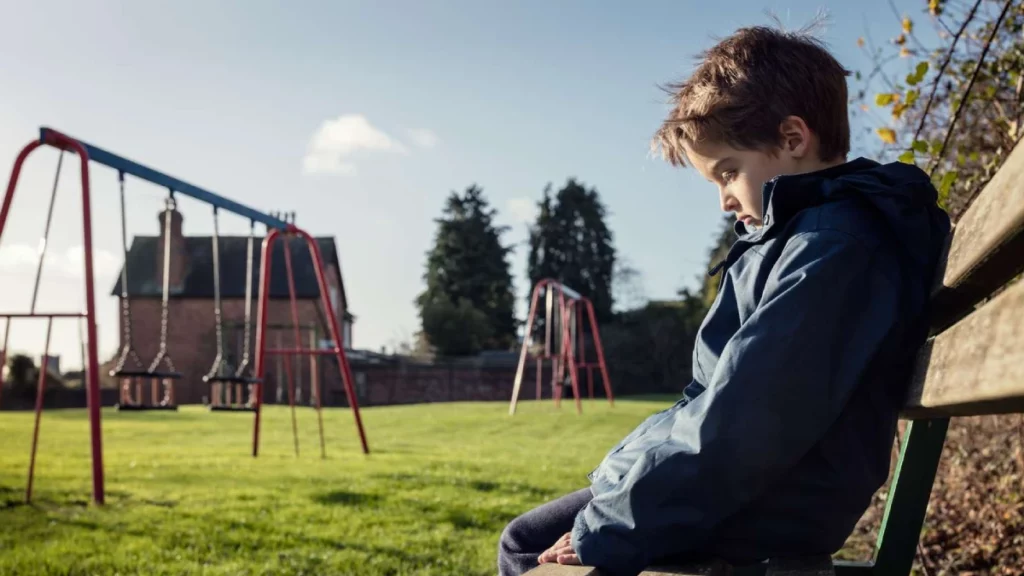
The divorce process can create emotional and psychological effects on children. For this reason, it is very important that parents are careful and mindful in how they communicate with their children. Using open, sincere, and age-appropriate language with the child is a critical step in preserving their sense of trust. The child needs to be given the message that the divorce is not their fault and that both parents will continue to love them. In addition, parents should give the child the opportunity to express their feelings. Sharing emotions such as sadness, anger, or fear without suppressing them supports the child’s emotional health. It is also extremely important that conflicts are not experienced in front of the child, and that parents adopt a consistent, cooperative approach. Professional counselling offers parents healthy communication strategies with the child and helps make the process less traumatic for both parent and child.
Adjusting to a New Life After Divorce
Once the divorce process is complete, adjusting to a new order of life is an important step for the individual. This period requires both emotional and social restructuring. A person needs to redefine their own routines, independent decisions, and personal goals. This process can be challenging at first; but when conscious steps are taken, a person can continue their life in a stronger, more confident way. To adjust to a new life, a person first needs to identify their own needs and boundaries. Taking up hobbies, widening their social circle, and setting aside time for themselves support psychological healing. In addition, understanding past relationship experiences and processing emotional burdens allows a person to build healthy relationships. Psychological counselling makes this process easier; a person gains emotional awareness, learns to manage feelings of anxiety and guilt, and becomes ready to open a new chapter in their life.
How Does the Post-Divorce Counselling Process Work?
The post-divorce counselling process is a structured support programme that helps a person understand the emotional and psychological difficulties they are experiencing and cope with them. The first stage usually begins with assessment and awareness; the counsellor examines in detail the person’s emotions, thought patterns, and difficulties during the divorce process. This stage is critically important for determining which therapy methods will be most suitable. The methods used throughout the process include approaches such as cognitive behavioural therapy (CBT), schema therapy, and emotion-focused therapy. The patient becomes aware of the negative experiences carried over from past relationships and learns to process these experiences in a healthy way. Work is also done on setting one’s own boundaries, rebuilding self-esteem, and strengthening emotional resilience. With regular sessions, a person learns to manage emotions such as loneliness, anxiety, or anger and adjusts to their new life in a more secure and balanced way. Online counselling makes the process flexible and accessible. A person can safely receive therapy in their own environment and, by attending sessions regularly, can speed up the healing process. 💬 If you want to stay emotionally strong after divorce and step into your new life with confidence, you can get support through the online counselling process. 👉 With Psychologist Nilay Özkan, through Online Therapy, you can get through this process with professional guidance and grow strong again.