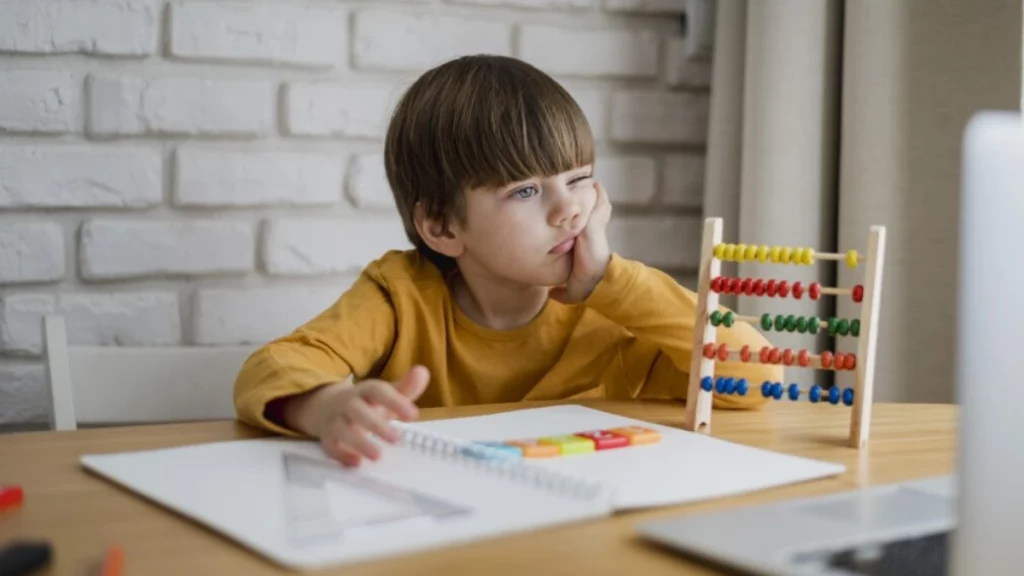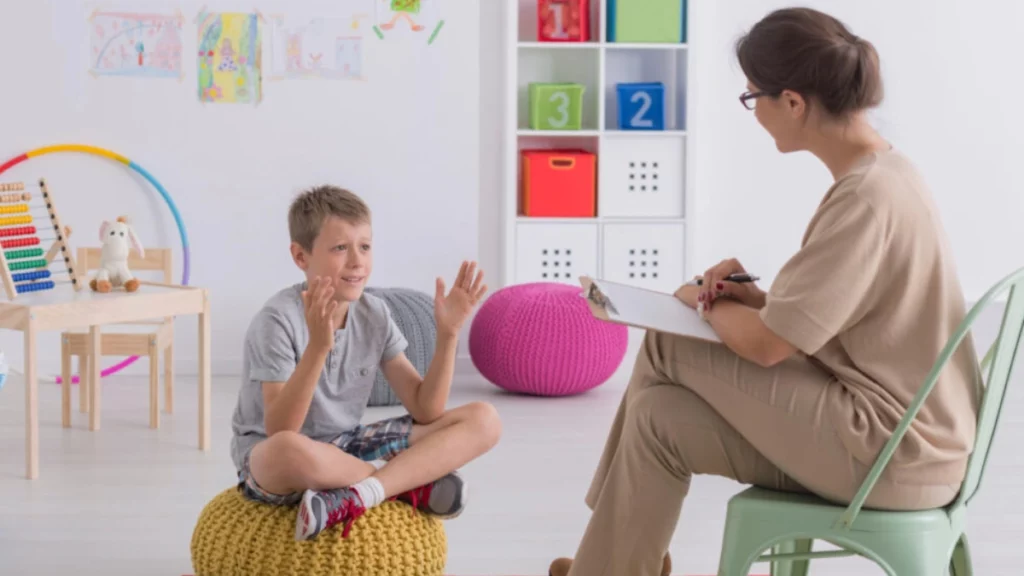
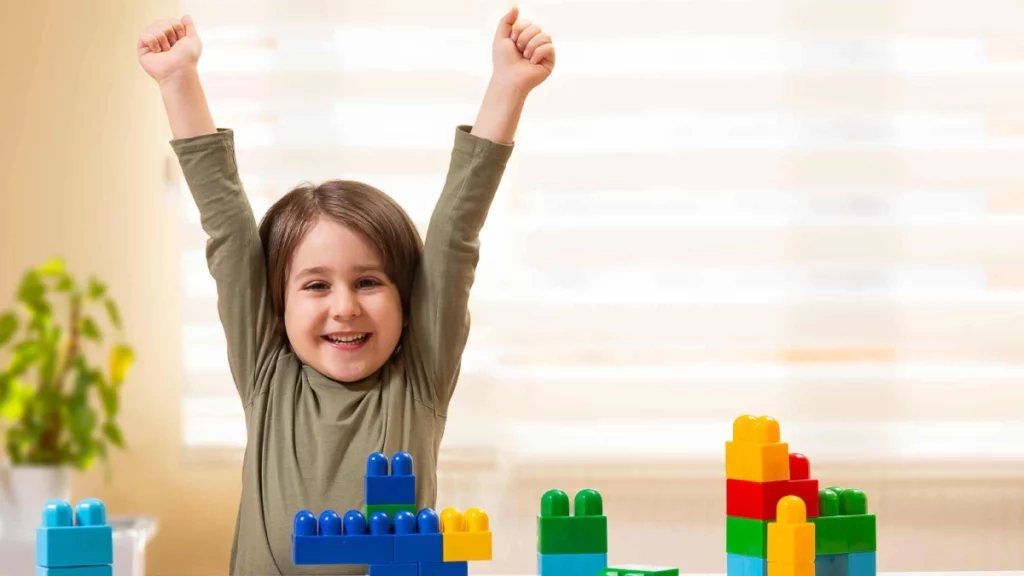
It may not always be easy for children to express their emotions, thoughts and the difficulties they experience. Especially at a young age, emotional and behavioural problems can grow unnoticed because children’s verbal communication skills are limited. Play therapy is an effective form of therapy that helps children explore their inner worlds, express their emotions in a safe environment and meet their developmental needs. Through the toys, figures and creative activities used during play, children express themselves more comfortably. The therapist, meanwhile, tries to understand the child’s emotions and thoughts by observing their behaviour during this process. In this way, both the difficulties the child is experiencing come to light more clearly and ways of resolving them are developed. Play therapy contributes not only to children but also to parents strengthening communication within the family.
Which Children Is Play Therapy Suitable For?
Play therapy is generally one of the most effective methods for children between the ages of 3 and 12. This is because at this age range children can struggle to express their emotions in words and are able to show themselves more comfortably through play. Play therapy is particularly beneficial in situations such as anxiety, anger, sibling jealousy, bed-wetting, sleep problems and post-traumatic stress. In addition, play therapy can also be applied with children experiencing attention deficit hyperactivity disorder (ADHD), communication problems, school adjustment difficulties and a lack of self-confidence. Play is the most natural means of communication in a child’s world. Using this natural setting, the therapist both tries to understand the child’s emotions and behaviour and develops healthy ways of resolving problems. Moreover, during challenging life events such as family conflict, divorce, loss and grief, children may suppress their emotions or display behavioural problems. At this point, play therapy helps the child to express their inner world safely and eases the process of adjustment. Therefore, play therapy is an important tool not only for children with psychological problems but also for children who need support in their developmental process.
Types and Methods of Play Therapy
Play therapy does not consist of a single method; different techniques can be used according to the child’s needs, age and the problems they are experiencing. One of the most commonly used methods is directive play therapy. In this method, the therapist presents the child with certain play materials and guides the session. In this way, they help the child express their emotions. Another approach is non-directive play therapy. In this method, the child is completely free within the therapeutic setting. They play however they like with whichever toys they want. The therapist, meanwhile, tries to understand the child’s emotions and behaviour by observing their play. This method makes it easier for the child to express themselves freely and to reflect their inner world. In some cases, cognitive behavioural therapy is preferred. It helps the child become aware of their thoughts and behaviour, particularly on matters such as anxiety, fear or anger control. In addition, family-focused therapy is a method in which parents are also involved in the process. In this way, communication between parents and child is strengthened and attachment problems decrease. In short, play therapy is not a single standard approach but a flexible and effective set of methods that can be adapted to the child’s particular situation.
The Contributions of Play Therapy to Child Development
Play therapy makes many-sided contributions to children’s emotional, social and cognitive development. First of all, the child learns to express their emotions through play. In this way they can let out challenging emotions such as anger, anxiety or sadness in a healthier way. Being able to share their emotions rather than suppress them increases the child’s psychological resilience. Play therapy also plays an important role in developing problem-solving skills. During play, children set up different scenarios, encounter problems and look for ways to solve them. This process enables them to approach the difficulties they face in daily life in a more flexible and constructive way too. It is also important in terms of social development. In the play therapy process, the child learns to empathise, to develop communication skills and to understand other people’s emotions. Cognitively, play therapy helps the child to focus their attention, to use their creativity and to develop their thinking skills. It can also make an indirect contribution to academic success, especially in school-age children. In general, play therapy strengthens the child’s inner resources and supports them in showing healthier development in both emotional and social life.
How Does the Play Therapy Process Work?
The play therapy process is a planned journey shaped according to the child’s needs. In the first step, the problems the child is experiencing, their behaviour and their past experiences are assessed through meetings with the family. In this meeting, the therapist analyses the information gathered from the family and decides which method of play therapy will be suitable. Sessions are usually held once a week, and each session lasts around 45 to 50 minutes. In the therapy room there are specially chosen materials such as toys, figures, a sand tray and drawing supplies. The child expresses themselves through these materials. The therapist, meanwhile, observes the process, guides it where necessary and tries to understand the child’s emotions. What matters in the therapy process is that the child feels safe and can express themselves freely. For this reason, the therapist moves at a pace that suits the child. While some children may be shy in the first sessions, over time they open up more comfortably through play. Throughout the process, the child learns to recognise their emotions, to cope with challenging events and to develop healthier behaviour. At the end of therapy, the therapist holds regular feedback meetings with the family. In this way, parents too are involved in the process and learn ways of supporting the child at home. This collaboration is one of the most important factors that increase the effectiveness of therapy.
What Age Are Play Therapy Sessions Suitable For?
Play therapy is applied most of all with children between the ages of 3 and 12. This age range is the period in which children can express themselves most naturally through play. Because verbal communication skills are limited, especially at a young age, play acts as a bridge in helping children convey their emotions and thoughts. That said, in some cases play therapy methods can be used for adolescents too. Sand-tray therapy, role-playing games or creative art activities in particular can help adolescents express their emotions as well. Therefore, the age limit is not a strict rule but is determined flexibly, taking the child’s individual needs into account. The frequency and duration of sessions can also vary according to the child’s age and the intensity of their problems. In general, sessions last 45 to 50 minutes and are held once a week. However, in some cases more frequent or less frequent sessions can be planned. In short, play therapy is not limited to a particular age group alone. It is applied more with the child’s level of development, the nature of the problems they are experiencing and their expectations of therapy in mind. Therapy begun at an early age supports the child’s emotional development more strongly.
Play Therapy with a Psychologist
Understanding and resolving children’s emotional and behavioural problems may often not be easy for parents on their own. At this point, therapy is an effective method that helps children express their inner worlds in a safe environment. It both supports children’s emotional development and enables parents to build healthier communication with their children. If you notice that your child is struggling to express their emotions, that there are changes in their behaviour, or that they are struggling with adjustment problems, seeking professional support will be helpful. With over 10 years of clinical experience, I have supported many families in child and adult counselling. If you too would like to begin the play therapy process through online therapy and support your child’s development with confidence, you can get in touch with me.