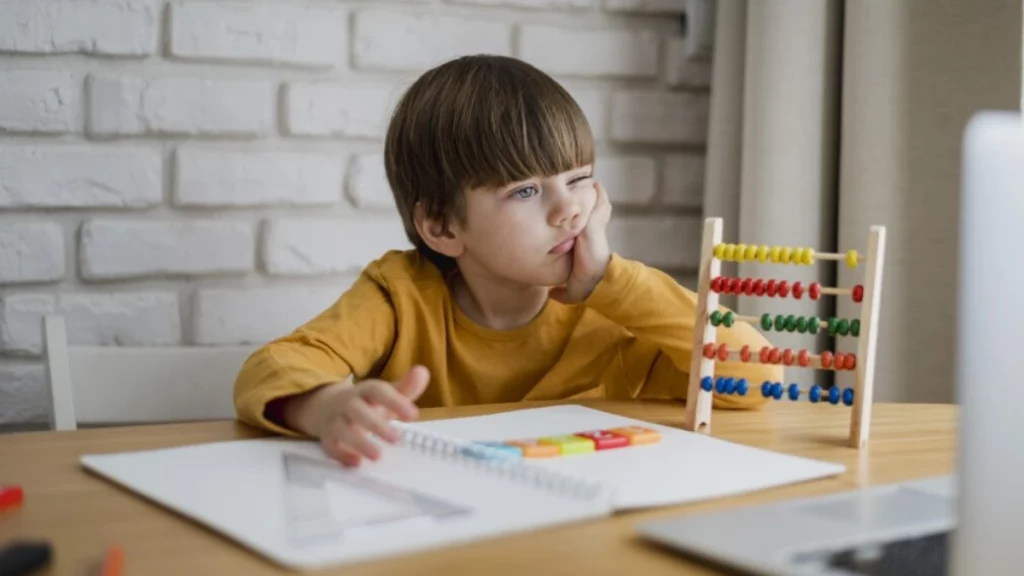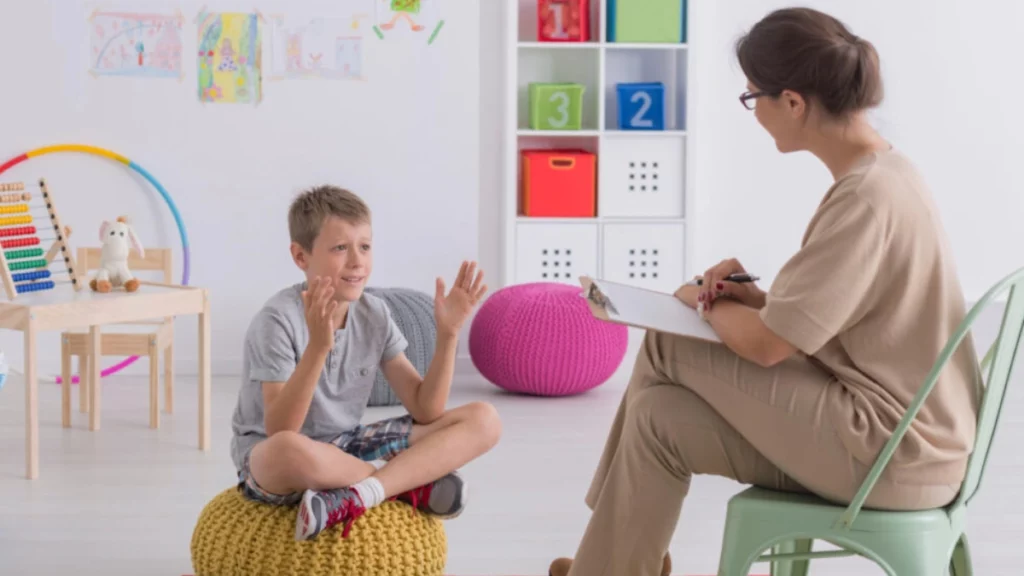
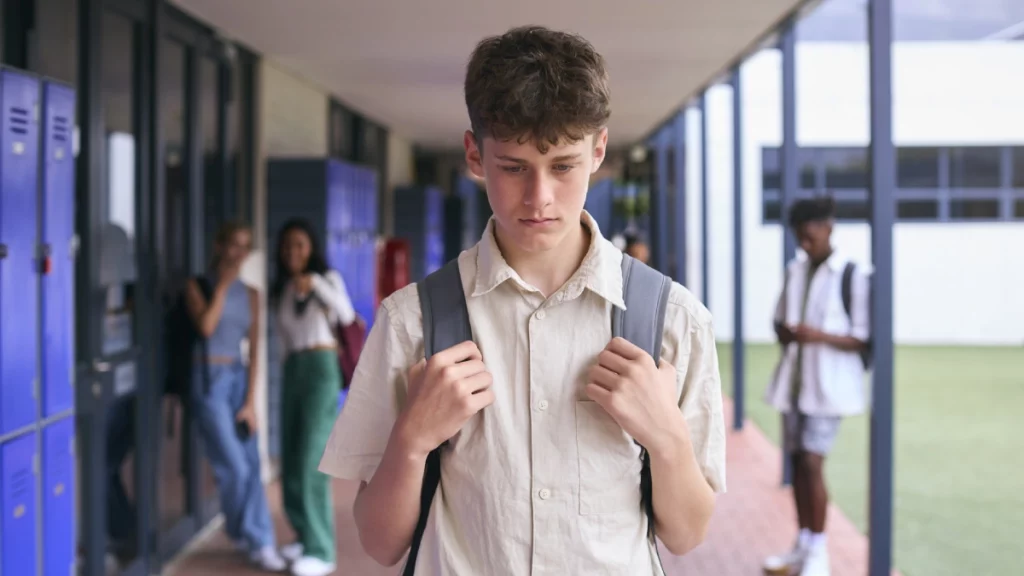
Peer bullying refers to the negative behaviours a person is subjected to by their peers — physically, verbally, emotionally or through digital means — and it is especially common during childhood and adolescence. It can harm an individual’s psychological health, leading to loss of self-confidence, a decline in academic success and disruptions in social relationships. Today, peer bullying is increasing not only in the school environment but also on social media and digital platforms. When it goes unnoticed, peer bullying can, over the long term, give rise to anxiety disorders, depression and problems with social adjustment. For this reason, awareness among parents, teachers and the people around the child is extremely important. A child’s ability to express the bullying they experience, to receive support, and to have safe spaces created for them plays a critical role in managing the process in a healthy way. Types and examples of peer bullying Peer bullying can appear in different forms, and each type can deeply affect the psychological development of the child or young person. The most common types of peer bullying include physical, verbal, emotional and cyber bullying. Physical bullying takes the form of pushing, hitting, or taking and damaging belongings, while verbal bullying appears as mocking, using demeaning nicknames or making threats. Such behaviours can damage the sense of security of children, especially those of school age. Emotional bullying, on the other hand, shows itself through behaviours such as exclusion, ignoring, leaving someone alone within a group, or constant criticism. During this process the child may feel a sense of loneliness and begin to see themselves as worthless. Cyberbullying, which has become widespread in recent years, occurs through insults, threats or the sharing of humiliating content on digital platforms. Especially in individuals going through adolescence, this can lead to serious trauma. For example, a child being constantly kept outside friendship groups at school, or having negative comments made about them on social media, shakes their self-confidence. Such examples show that bullying is not merely a momentary problem; over the long term it can lead to issues such as anxiety, depression and social phobia. For this reason, it is very important for families and teachers to develop early awareness.
How Can Peer Bullying in Children Be Recognised?
Children who are exposed to peer bullying are often unable to express clearly what they are going through. That is why parents and teachers need to observe small changes in behaviour attentively. In children, the signs of peer bullying generally appear as both emotional and physical indicators. Among the physical signs, frequent injuries and the loss or damage of belongings stand out. The child may not want to go to school, and there may be an increase in psychosomatic complaints such as stomach ache or headache. Emotional signs, on the other hand, may show themselves more through withdrawal, loss of self-confidence, restlessness and sudden outbursts of anger. In particular, if there are sudden drops in academic performance, avoidance of social activities and breakdowns in friendships, peer bullying may lie beneath it. Differences in a child’s behaviour may not always be related to bullying; however, this possibility should not be overlooked. It is very important for parents to establish trust-based communication with their children and to open up space for them to share their feelings. A child may struggle to talk about what they have experienced; therefore a patient and non-judgemental attitude should be adopted. In cases of bullying that are noticed early, providing both psychological and academic support becomes much easier and more effective.
What Are the Psychological Effects of Peer Bullying?
Peer bullying is not just a momentary problem but a serious situation that can leave deep marks on the psychological development of children and adolescents. In individuals who are continually exposed to bullying, loss of self-confidence, a sense of worthlessness and intense anxiety are frequently seen. Because the child constantly feels under threat, they may withdraw from social settings and prefer to be alone. Over the long term this can pave the way for psychiatric conditions such as depression and social phobia. The academic success of children who encounter bullying may decline, because a brain that is constantly under stress cannot sustain learning processes in a healthy way. Especially during adolescence, peer relationships play an important role in identity development. Negative experiences during this period can also adversely affect the individual’s relationships later in life. In addition, victims of bullying may experience sleep disorders, changes in appetite and somatic complaints (stomach ache, headache, etc.). In more serious cases, even suicidal thoughts may arise. For this reason it is critically important not to underestimate the psychological effects of peer bullying and to intervene early. When a child receives professional support, it helps them express their feelings in a healthy way and can prevent long-term mental health problems.
How Can Children Exposed to Peer Bullying Be Supported?
Supporting children who experience peer bullying in the right way is critically important for their process of psychological recovery. The first step is to listen to what the child is going through without judgement and to give them the opportunity to express their feelings. Children can often hide what they have been through out of shame or guilt. For this reason, parents need to show a patient, understanding and reassuring attitude. Explaining to the child that the bullying they experienced is not their fault helps them protect their self-esteem. In addition, cooperating with teachers is important for ensuring the child’s safety in the school environment. Informing the school administration about the bullying and taking the necessary measures makes the process easier. At home, it is very helpful to support the child’s strengths, to allow them time for their hobbies, and to create opportunities for them to develop their social skills. If the effects of the bullying have begun to deeply affect the child’s mental health, support from an online psychologist is needed. The therapy process helps the child work through the trauma they have experienced in a healthy way, reduce their anxieties and regain their sense of trust. In short, the compassionate approach of parents, the active support of the school and professional help form the strongest steps in the recovery process of children exposed to bullying.
The Role of Family and School in Preventing Peer Bullying
The most effective way to prevent peer bullying is for both the family and the school to act with a shared awareness. Values education that begins at home helps the child develop empathy, respect and healthy communication skills. Families should teach their children from an early age to respect differences and support them in using problem-solving skills instead of violence. In addition, it is very important to communicate with children daily, to try to understand their feelings, and to create a safe space for sharing. In the school environment, teachers and administrators need to apply a zero-tolerance policy towards bullying. Organising activities that strengthen cooperation, tolerance and friendship among students reduces bullying behaviours. Making swift and decisive interventions in cases of bullying contributes to protecting victimised students. Continuous communication between family and school makes it easier to notice the problems a child faces at an early stage. Regular meetings, informational seminars and guidance work raise awareness among both students and parents. In this way, the fight against bullying becomes not only an individual but a social responsibility. As a result, when the compassionate approach of families and the conscious attitude of the school come together, it becomes possible to prevent peer bullying and to develop healthy social relationships.
The Differences Between Cyberbullying and Peer Bullying
While peer bullying mostly takes place face to face at school, on the street or in social settings, cyberbullying is carried out through digital platforms. This difference can intensify the effects of bullying even further. Whereas face-to-face bullying occurs at specific times and places, cyberbullying can disturb a child at any hour of the day, even in their own home. This leads the victim to feel constantly under threat. Cyberbullying appears through behaviours such as sending insulting messages, sharing humiliating photographs or videos, and making mocking comments on social media. Because these acts carried out in the digital environment can spread rapidly, the psychological burden on the victim can be heavier. While the number of witnesses to peer bullying is limited, in cyberbullying large audiences can become aware of the incident. Both types of bullying damage the child’s self-confidence and lead to problems such as anxiety and depression. However, because the traces of cyberbullying can remain permanent in the virtual environment, victims often feel helpless. For this reason it is extremely important for families to become aware of the risks in the digital world, to teach their children safe internet use, and to seek professional support when necessary.
Conclusion and the Importance of Getting Support
Peer bullying is not a problem that is experienced and then simply over in childhood; its effects can deeply influence an individual’s mental health and social relationships over the long term. This type of bullying, whether carried out physically, emotionally or through digital means, can lead to loss of self-confidence, anxiety disorders, depression and problems with social adjustment. For this reason, a conscious approach on the part of both families and educational institutions is critically important. In cases that are noticed early, the support provided to children makes it easier for them to cope with their trauma and contributes to their experiencing a healthy process of psychological development. If you think your child is being exposed to peer bullying, know that you are not alone. Getting professional support helps your child share the difficulties they are experiencing in a safe environment, express their feelings in a healthy way, and regain their sense of trust. 👉 I, Psychologist Nilay Özkan, with over 10 years of clinical experience, offer online therapy support on issues that affect the mental development of children and adolescents, such as peer bullying. 🌿