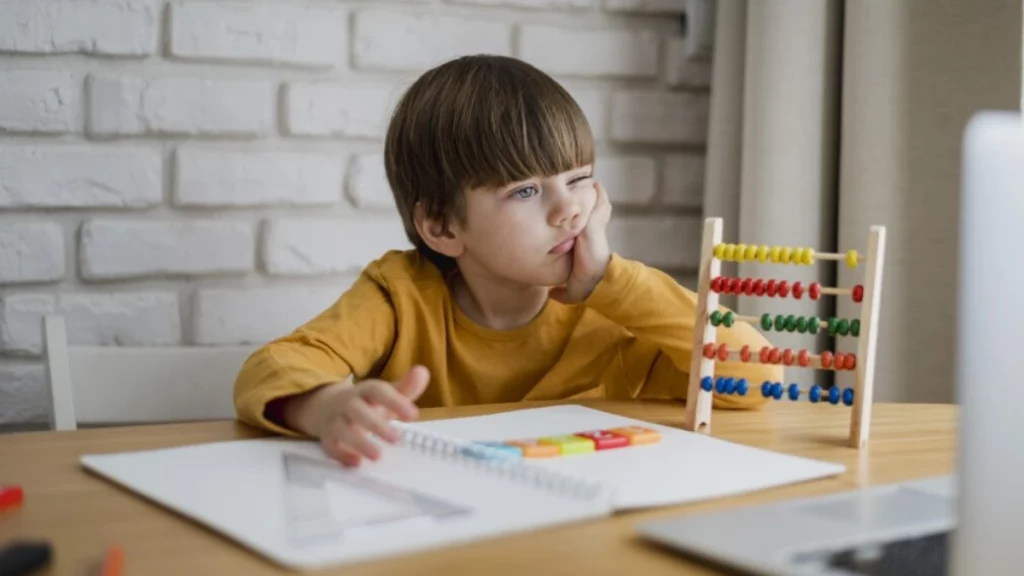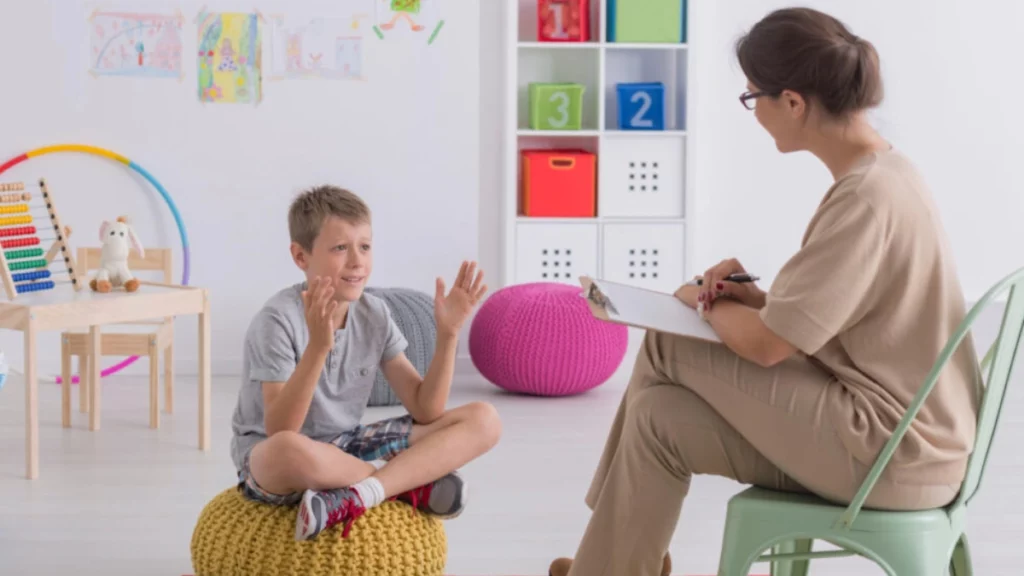
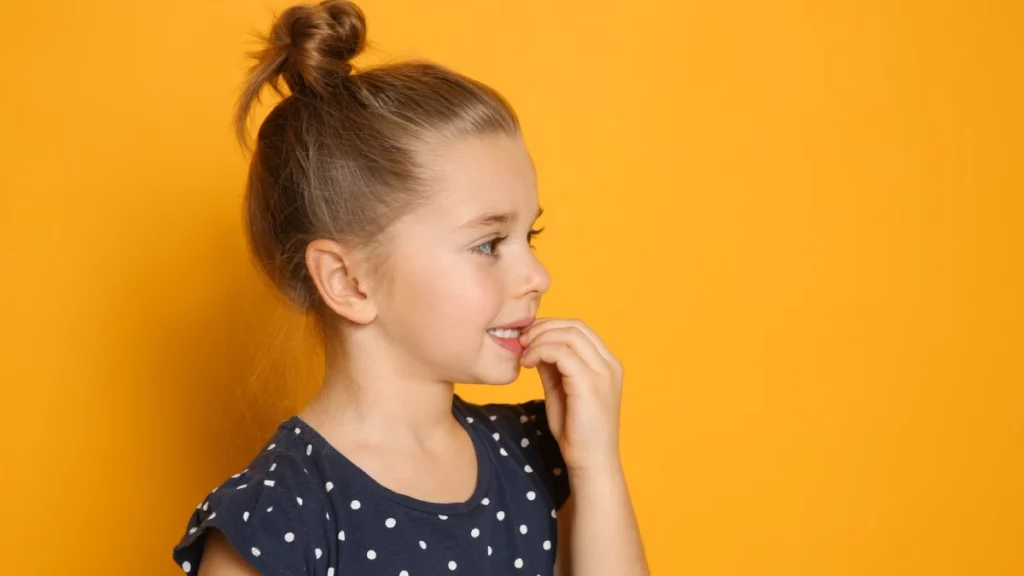
The nail-biting habit in children is a common situation that many parents encounter. This habit usually stems from psychological factors such as stress, anxiety, boredom, or attention deficit. Some children may bite their nails to calm themselves or reduce their distress. Nail-biting that continues for a long time can lead to physical problems in the nails and the skin around them, such as infection, deformation, or tenderness. Nail-biting is not limited to physical effects alone; it can also affect a child’s self-confidence and social relationships. Because of nail-biting behaviour at school or among friends, a lack of self-confidence and feelings of shame can develop. For this reason, the causes of the habit should be identified correctly and supported with appropriate behavioural strategies. A patient and supportive attitude from parents is critically important in overcoming the habit.
Causes of Nail-Biting in Children and Psychological Factors
The nail-biting habit in children usually stems from psychological and emotional factors. A child may develop this behaviour to cope with situations such as stress, anxiety, boredom, or excitement. For example, before an exam, while adjusting to a new environment, or during tensions in the relationship with parents, children start biting their nails to calm themselves. This behaviour is most of the time not conscious but an automatic stress response. Nail-biting can also be linked to conditions such as attention deficit hyperactivity disorder (ADHD). When a child struggles to concentrate or is restless, this habit can emerge as a mechanism for relief. Some children, on the other hand, may learn this behaviour from examples they see in their parents or their surroundings. Alongside psychological factors, nail-biting behaviour can affect a child’s self-confidence and social relationships. Receiving negative feedback from friends because of nail-biting can increase feelings of shame and shyness. At this point, a patient, supportive, and guiding attitude from parents is very important. Noticing the anxiety the child experiences, understanding their emotional needs, and offering alternative ways to relax help reduce the nail-biting habit. Expert support is a critical step for understanding the child’s behaviour and developing lasting solutions. Online therapy can make it easier to manage this process by offering suitable strategies to parents and the child.
How Does the Nail-Biting Habit Affect a Child’s Health?
The nail-biting habit in children can create negative effects on both physical and psychological health over the long term. From a physical perspective, because the nails and the surrounding tissues are constantly bitten, the risk of broken nails, inflammation of the skin around the nail, and infection increases. In addition, carrying bacteria through the mouth can create negative effects on the digestive system and dental health. Nail-biting behaviour can also affect a child’s self-confidence and social relationships. Especially at school or in friendship groups, because of this habit a child can feel ashamed, become the target of teasing, and avoid social interaction. Over the long term, this can set the stage for psychological problems such as shyness, timidity, and a lack of self-confidence. In addition, nail-biting is usually a reflection of stress and anxiety. The child expresses the pressure or distress they experience through this behaviour. If this habit continues for a long time, the child’s mechanisms for coping with stress can be negatively affected and other behavioural problems can emerge. It is important that parents provide early intervention and appropriate guidance to protect the child’s health and reduce the negative effects of this behaviour. The support of a specialist online psychologist plays a critical role in addressing both the physical and the psychological effects and supporting the child’s healthy development.
Methods for Preventing Nail-Biting Behaviour in Children
Preventing the nail-biting habit in children requires both patience and a consistent approach. The first step is to understand why the child does this behaviour. The child may be stressed, anxious, or bored; for this reason, it is important that parents notice the child’s emotional needs and support them appropriately. Some practical strategies can be applied to reduce the behaviour. For example, offering activities that keep the child’s hands busy (toys, drawing, handicrafts) can prevent nail-biting. In addition, motivating the child positively and rewarding the behaviour rather than punishing it speeds up the process of giving up the habit. Making nail care fun and using nail polish or a bitter-tasting varnish are also among the effective methods. Attention and awareness training is also important in preventing the behaviour. The child noticing the moment they start biting their nails and busying themselves with alternative behaviour helps reduce the habit. In addition, regular communication and offering the child a safe environment play a critical role in reducing the behaviour. Expert support makes it possible to develop lasting solutions by guiding both the child and the parents through this process. Online therapy is highly effective when it comes to managing the nail-biting habit and providing psychological support by offering suitable techniques to the child and the family.
The Relationship Between the Nail-Biting Habit and Anxiety and Stress
The nail-biting habit most of the time emerges as a reflection of the anxiety and stress the child experiences. When a child feels uneasy or tense, they may use this behaviour as a mechanism for relief. For example, before an exam, while adjusting to a new environment, or during tensions within the family, children may turn to nail-biting unconsciously. Nail-biting behaviour under stress temporarily eases the child’s emotional state but can, over the long term, prevent anxiety and stress from being managed. This cycle leads to the behaviour becoming reinforced and the habit continuing. Conditions such as attention deficit and hyperactivity (ADHD) can increase the emergence and continuation of this habit. Parents can offer appropriate support by noticing the child’s anxiety and stress. Establishing a routine, teaching stress-management techniques, and developing the child’s emotional awareness are effective methods for reducing nail-biting behaviour. In addition, psychological support, whether online or face-to-face, helps both the child and the family break this cycle. With regular follow-up and professional guidance, the sources of the child’s anxiety can be managed and the nail-biting habit can be significantly reduced.
Solution Suggestions for the Nail-Biting Habit That Can Be Applied at Home
Reducing the nail-biting habit in children can be possible through some practical methods that can be applied in the home environment. First of all, the child’s behaviour needs to be noticed and guided with patience. Positive reinforcement is one of the most effective methods in this process; giving praise and small rewards during the periods when the child does not bite their nails increases motivation. Another method that can be applied at home is offering activities that keep the child’s hands busy. For example, colouring, play dough, small handicrafts, or stress balls can steer the child’s attention away from nail-biting behaviour. In addition, making nail care fun and using a bitter-tasting varnish is also an effective method; in this way the child’s urge to bite their nails decreases. A routine, structured daily programme helps prevent nail-biting behaviour by reducing the child’s boredom and anxiety level. Giving the child the opportunity to express their emotions at home and understanding the sources of anxiety and stress are also an important part of the process. Expert support can offer these methods to the family in a personalised way. Online therapy provides highly effective support in permanently reducing a child’s nail-biting habit by ensuring that parents are guided correctly.
Nail-Biting in Children and Online Therapy Support
The nail-biting habit in children can create problems from both a physical and a psychological perspective. If this behaviour continues for a long time, deformation of the nails, risks of infection, and social anxieties can emerge. At this point, online therapy enables the habit to be managed by offering professional support to the family and the child. Online therapy sessions help the child discover the causes underlying their nail-biting behaviour and develop skills for coping with stress and anxiety. The specialist psychologist offers behavioural strategies and motivation techniques suited to parents and the child. In this way, while the habit is reduced, the child’s self-confidence is also supported. Online therapy offers the advantage of flexible session times and participation from the home environment. By feeling safe, the child can express their emotions and work on behavioural changes. With professional guidance, the nail-biting habit can be reduced more quickly and permanently, and both the child’s physical and psychological health can be protected.