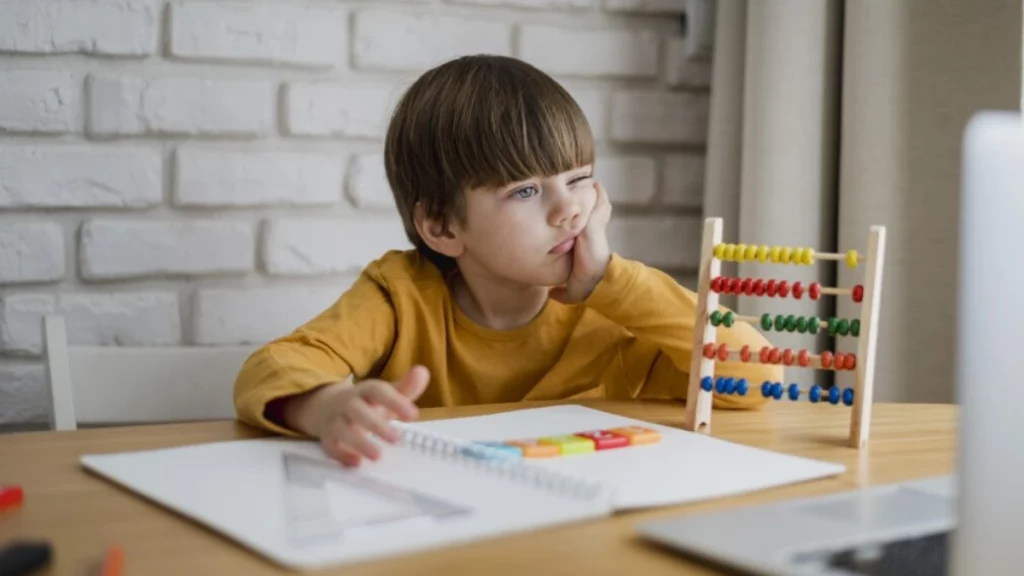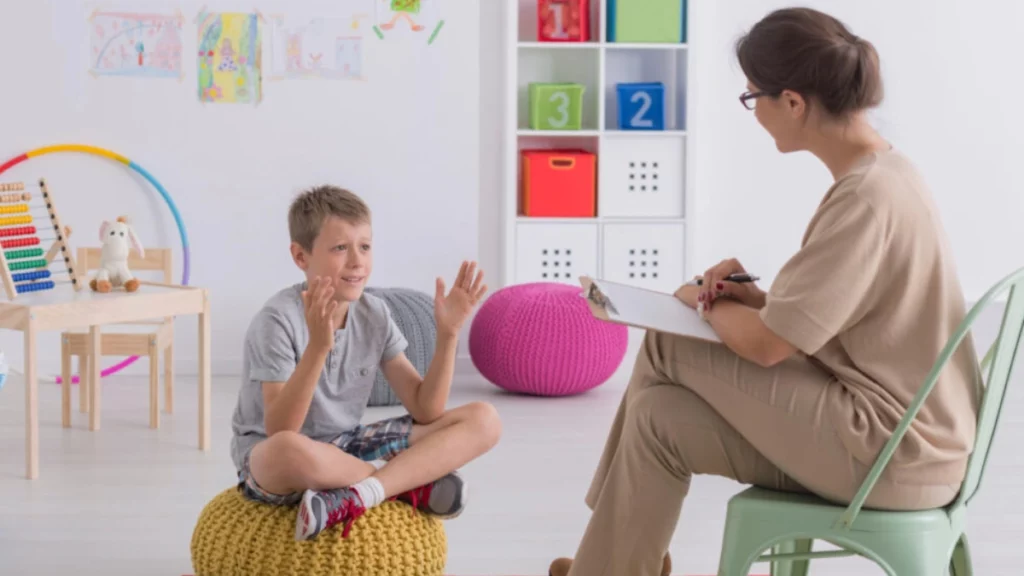
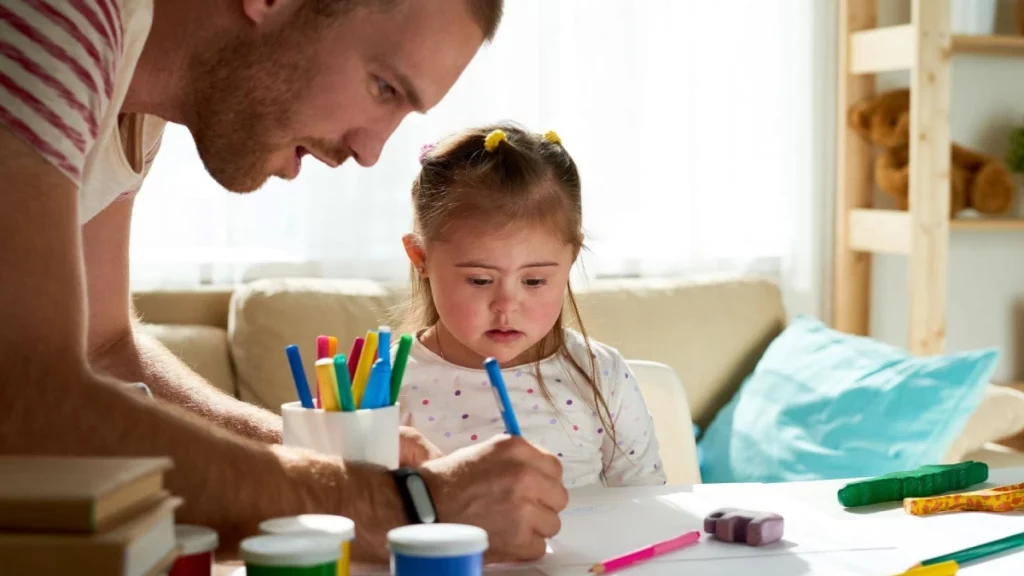
A specific learning difficulty in children refers to lasting difficulties in basic academic skills such as reading, writing, and mathematics, despite a normal level of intelligence. While this condition negatively affects a child’s school success, it can also seriously damage their self-confidence. Children who experience a learning difficulty usually struggle to show their potential fully. Learning difficulties that go unnoticed in the early period can lead to greater academic and social problems at later ages. For this reason, recognising the signs correctly ensures that children receive the support they need in good time. Because a specific learning difficulty in children affects not only academic development but also emotional and social development, the awareness of families and teachers is very important.
How Is a Specific Learning Difficulty in Children Recognised?
Recognising a specific learning difficulty in children usually requires careful observation and patience. This condition should not be confused with intellectual disability; on the contrary, children’s level of intelligence can be normal or even above normal. Yet they experience a marked lag in basic academic skills compared with their peers. For example, while some children fall behind their peers in learning to read and write, others may constantly make mistakes in mathematical operations. One of the signs frequently seen in children with a specific learning difficulty is difficulty with reading. Mixing up letters, misreading words, or reading very slowly stand out. In written expression, similarly, writing letters backwards, skipping words, or illegible handwriting can be observed. In mathematics, difficulties such as mixing up numbers and constantly making mistakes while doing simple operations such as addition and subtraction can be experienced. There are also clues beyond academic skills. The child may avoid doing homework, struggle to concentrate in class, or experience self-confidence problems because of a constant feeling of failure. In some cases, a learning difficulty is seen together with behavioural problems or anxiety. Noticing these signs ensures that the child receives professional support in the early period. Because supportive education and psychological support started at the right time make a great contribution to bringing out the child’s potential.
What Are the Signs of a Specific Learning Difficulty?
The signs of a specific learning difficulty in children show themselves through emotional and behavioural indicators as well as academic ones. One of the most common signs is difficulty with reading and writing skills. For example, the child may mix up letters, misread words, or skip letters and words when writing. In mathematics, constantly making mistakes in addition, subtraction, and multiplication can be seen. This directly affects the child’s classroom success and causes them to fall behind in the learning process. Attention deficit and problems with focusing are also frequently encountered signs. The child may show situations such as their attention frequently wandering while doing homework, being unable to follow the instructions given, and struggling to complete tasks. When observed by teachers and families, this can point to a specific learning difficulty. Behavioural and emotional signs are also important clues. Because of a feeling of failure, the child may refuse to do homework, experience a loss of motivation, or show a lack of self-confidence. Some children may show behaviour such as anxiety, angry outbursts, or social withdrawal. These signs show that a learning difficulty has not only an academic but also a psychological dimension. Early diagnosis and awareness help ensure that appropriate support is provided during the child’s developmental process. In this way, both academic success and emotional health can be protected.
Causes and Risk Factors of a Specific Learning Difficulty
The causes of a specific learning difficulty in children usually arise from a combination of biological, genetic, and environmental factors. Differences in the functioning of certain regions of the brain — especially differences seen in areas related to language processing, visual perception, and motor coordination — can set the stage for a learning difficulty. These biological factors make it harder for the child to acquire basic academic skills. Genetic predisposition also plays an important role. The presence of conditions such as a learning difficulty or attention deficit in the family can increase the child’s risk. Research shows that a learning difficulty can affect more than one child within a family. For this reason, family history is taken into account in the diagnostic process. Environmental and educational factors also affect the process. Situations such as inadequate educational opportunities, delays in access to reading, writing, and mathematics skills in the early period, low social support, or a stressful family environment can trigger a learning difficulty or aggravate existing difficulties. Children who cannot receive enough stimulation and support at an early age in particular may experience more difficulty in academic development. In addition, psychological factors such as attention deficit, anxiety, and low self-confidence can be seen as both a cause and a consequence of a learning difficulty. For this reason, it is important to assess the child holistically, from both a biological and an environmental and psychological perspective. Understanding the correct causes makes it possible to create individually tailored intervention and support plans.
How Is a Specific Learning Difficulty in Children Diagnosed?
Diagnosing a specific learning difficulty in children requires a multifaceted assessment process. It is not possible to make a diagnosis with a single test or observation; academic skills, cognitive functions, psychological state, and environmental factors must be addressed together. The diagnostic process is usually carried out in collaboration between a child psychologist, a special education specialist, and, when necessary, a psychiatrist. The first step of the diagnostic process is comprehensive history-taking and observation. The information obtained from the family, the child’s developmental history, school performance, and behavioural characteristics are assessed. Teacher observations and school reports are also an important part of the process. It is determined in which areas the child experiences difficulty, how long they have been experiencing the problem, and the effect of previous interventions. Next, standardised tests and assessments are applied. While reading, writing, and mathematics skills are measured, cognitive abilities are also tested. Areas such as attention, memory, and problem-solving are observed. These tests clearly reveal, in comparison with the child’s peers, in which areas they experience a lag. When the diagnostic process is complete, an individual education and support plan suited to the child’s needs is prepared. This plan includes strategies to support the child’s development in both academic and psychological areas. Early diagnosis and appropriate intervention significantly increase the child’s academic success and gaining of self-confidence.
Treatment and Support Methods for a Specific Learning Difficulty
Treatment of a specific learning difficulty in children is carried out with individualised education and psychological support. Treatment aims to determine in which areas the child experiences difficulty and to develop special strategies for those areas. Interventions that begin in the early period are of great importance for the child’s academic and emotional development. One of the most commonly applied methods is individual education programmes. These programmes include special lessons, reading and writing work, and mathematics exercises for the areas in which the child is lacking. The intensity and content of the programme are shaped according to the child’s age and learning profile. Regular follow-up and feedback make it possible to observe progress. Psychological support is also an important part of treatment. A lack of self-confidence, anxiety, and motivation problems are frequently seen in children who experience a learning difficulty. Approaches such as cognitive behavioural therapy (CBT) are applied to boost the child’s self-confidence, change negative thought patterns, and help them approach the learning process positively. The role of families is also great. Creating a supportive environment at home, keeping track of learning processes, and giving positive feedback raise the child’s motivation. In addition, collaborating with teachers and providing classroom support suited to the child’s needs increase the effectiveness of the process. With appropriate education and psychological support, children learn to manage their learning difficulties, improve their academic success, and strengthen their self-confidence. The process requires patience and continuity, but with the right interventions it is possible to achieve positive results.
Ways for Families to Cope with a Specific Learning Difficulty
Families play a critical role in coping with a specific learning difficulty in children. In this process, the right approaches support the child’s academic and emotional development. The first step is to understand and accept the difficulty the child is experiencing. A learning difficulty is not about the child being unintelligent or lazy; for this reason, it is important to adopt a supportive approach rather than a blaming attitude. One of the methods you can apply at home is supporting learning with play and daily activities. For example, storybooks, letter cards, or writing games can be used to improve reading and writing skills. For mathematical skills, it is helpful to do exercises such as counting, addition, and subtraction through everyday-life activities. While these methods increase the child’s interest, they make learning fun. Families can also raise the child’s motivation with positive feedback and a patient approach. Celebrating small successes and seeing mistakes as a normal part of the learning process allow self-confidence to develop. Being in constant communication with teachers and keeping track of the child’s school performance strengthen both the educational and the psychological support process. Finally, getting professional support when necessary is also very important. Psychologists and special education specialists can create an effective intervention plan by identifying the child’s strengths and needs. Families’ active participation in this process greatly supports the child’s development in both academic and emotional terms.
Support Your Child’s Specific Learning Difficulty Through Online Therapy
A specific learning difficulty in children can be managed with the right support and intervention. But getting professional guidance during the process greatly benefits the child’s academic and emotional development. I am Psychologist Nilay Özkan, and for over 10 years, with my hospital and clinic experience, I have supported thousands of children and their families. Thanks to my online therapy service, you can receive individual support for your child’s learning difficulty from wherever you are, in a safe and confidential way. Take a step today to discover your child’s strengths, boost their self-confidence, and make the learning process easier.