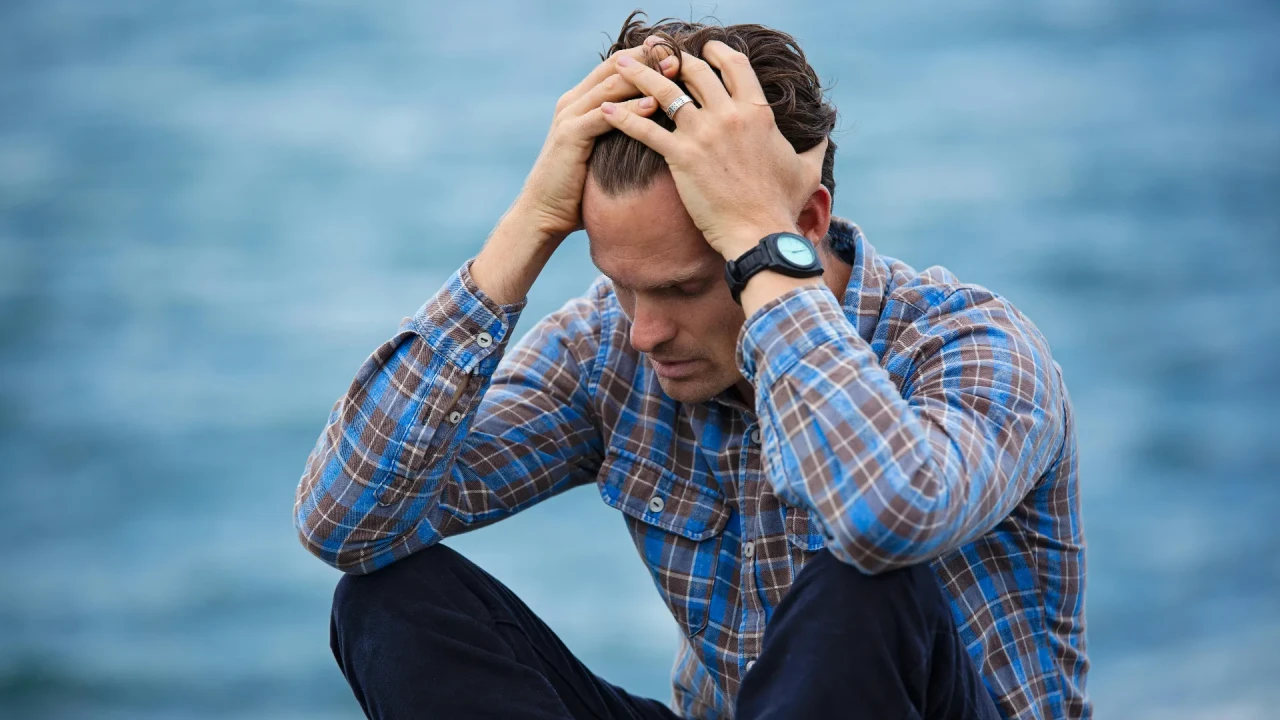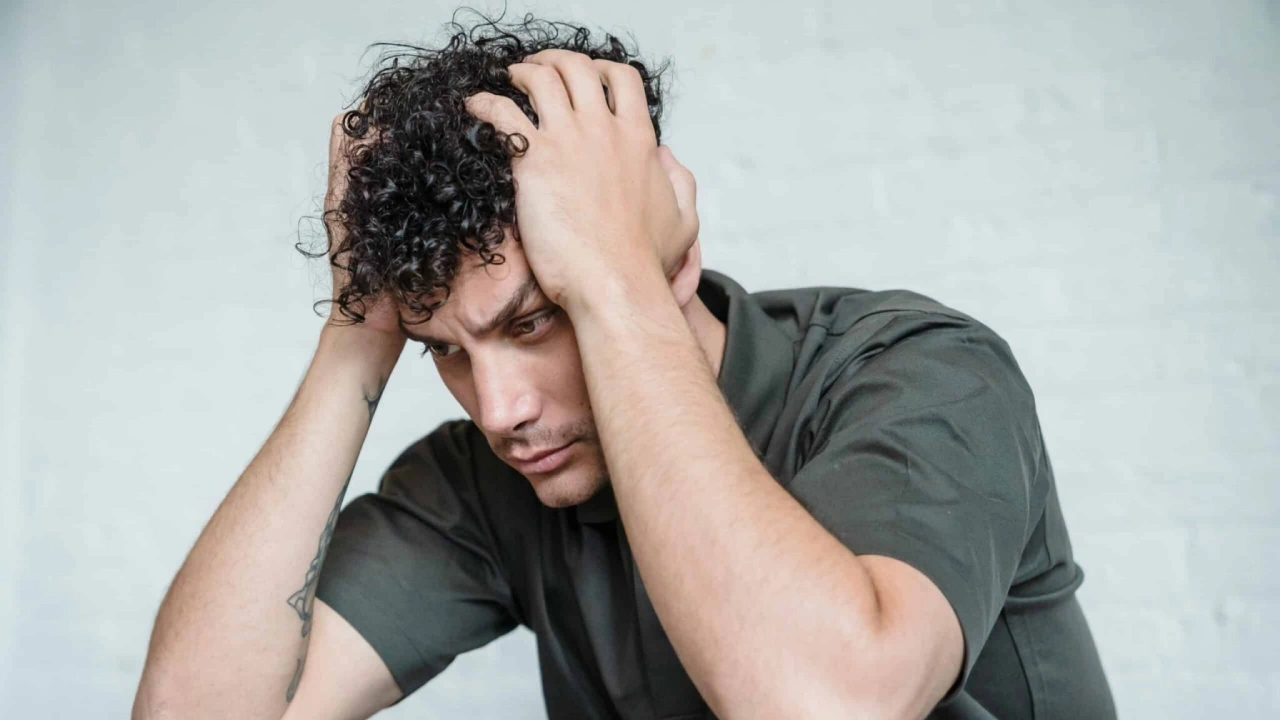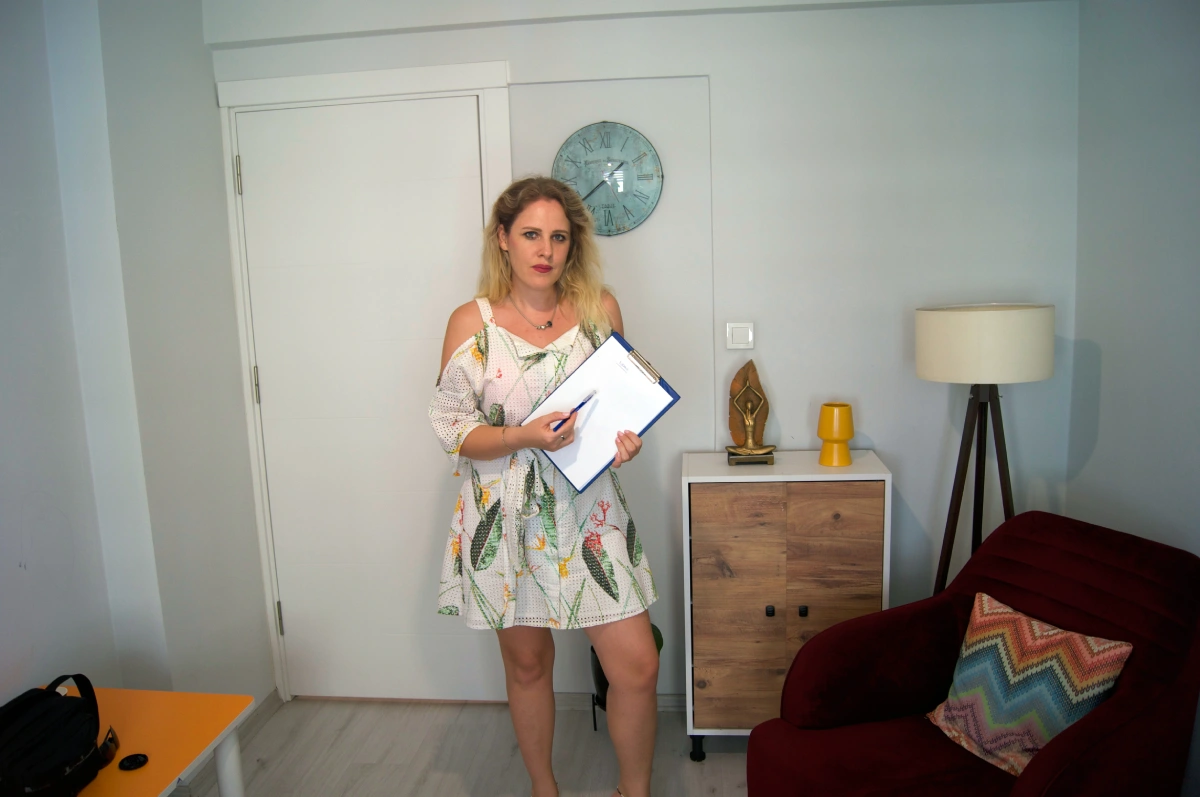

Health anxiety is a psychological condition that arises when a person constantly thinks they are ill even though they have no bodily illness. Also known in the medical literature as hypochondriasis, this condition lowers a person’s quality of life while, together with intense anxiety and stress, it can negatively affect daily life. People with health anxiety think they have a serious illness at the slightest physical symptom, frequently feel the need to go to the doctor, or have tests done. This can become quite wearing for both the person and those around them. When it is not noticed early, it can lead to bigger psychological problems.
Why Does Health Anxiety Happen?
Health anxiety, known medically as hypochondriasis, is when a person constantly worries about having a serious illness. Even though they are physically healthy, the person may interpret bodily symptoms in an exaggerated way and think that these symptoms are the herald of a fatal illness. Over time, this lowers quality of life while directing the person towards constant hospital check-ups and tests. The causes of health anxiety are mostly psychological in origin. This condition is seen more frequently in people with an anxiety disorder in particular. The person tends to associate even the smallest change in their body with a dangerous illness. This misinterpretation is usually related to past health traumas, the presence of serious illnesses in the family, or overprotective parental attitudes in childhood. In addition, health research carried out over the internet can also trigger this condition. While researching the meaning of a symptom they are experiencing, the person may focus on the serious illness possibilities they encounter and misinterpret their own situation. In this process, trust in doctors can decrease, and the person may think that doctors cannot make a diagnosis and feel the need to turn to other specialists. As a result, health anxiety is the reflection of the anxieties in a person’s mental and emotional world onto bodily perception. When it is not treated, it can become chronic and leave the person in a difficult position both psychologically and socially. With professional support, this cycle can be broken and the person can regain a healthy sense of life.
What Are the Symptoms of Health Anxiety?
The symptoms of health anxiety arise when a person constantly perceives their bodily sensations as a threat, even though they have no physical illness. One of its most obvious features is the person interpreting the slightest ache, tingling or tiredness as a symptom of a serious illness. This leads the person to frequently go to doctors, have tests done and remain unconvinced even when the results come back clear. Another important symptom is the person’s mind being constantly occupied with health worries. In the natural flow of daily life, difficulty concentrating and a drop in performance at work or in social life can be experienced. In addition, these people often feel intense anxiety with the thought “what if I get ill”, and this anxiety can bring with it indirect physical complaints such as sleep problems, changes in appetite or constant tiredness. People with health anxiety constantly seek reassurance from those close to them. They may frequently ask questions such as “Do you think there’s something wrong with me?” However, although the answers they receive provide temporary relief, the anxieties start again a short while later. When these symptoms continue for a long time, the person’s mental health and quality of life can be seriously harmed. For this reason, noticing the symptoms is very important for getting suitable support.
The Differences Between Health Anxiety and Anxiety Disorder
Health anxiety and anxiety disorder are psychological conditions that are often confused with each other. Both involve intense worry, but the focus of the anxiety and the person’s way of thinking are different. In health anxiety, the person interprets even the smallest bodily sensation as a symptom of a serious illness. In anxiety disorder, on the other hand, worries about different areas of life such as work, family, the future or social relationships, rather than health, are at the forefront. People with health anxiety constantly consult doctors, have tests done and, despite this, struggle to trust the results. In people with anxiety disorder, there is no such intense focus on physical health. A general unease, the constant thought “what if something bad happens” and anxiety about non-concrete threats dominate. Another difference is seen in the duration and intensity of the symptoms. In health anxiety, worries usually become chronic and are body-focused. In anxiety disorder, worries can increase periodically and change with different triggers. In both cases, the person’s quality of life is negatively affected. However, without a correct evaluation, it is difficult to tell them apart only by looking at the symptoms. For this reason, seeking expert support is very important for making a correct diagnosis and starting the appropriate treatment process.
How Does Health Anxiety Affect Daily Life?
Health anxiety is a condition that negatively affects a person’s daily life both psychologically and socially. People with this condition put their health worries at the forefront when planning their daily routines. For example, when a small headache or stomach upset is perceived as a symptom of a serious illness, the person may spend their day on doctor’s appointments or internet research. This leads to a drop in work performance, conflicts in social relationships and being unable to take pleasure in life. Most of the time, people with health anxiety constantly expect approval and reassurance from those close to them. This creates tension in relationships, because family and friends are constantly having to soothe the person’s worries. Over time, those around them can become tired of this situation and distance may form in relationships. In addition, health anxiety causes the person to constantly observe their body. This state of focus can increase sleep disorders and stress levels and prevent the person from truly resting. This way, bodily complaints are felt more strongly and the anxiety cycle continues. As a result, health anxiety creates a picture that deeply affects not only the person’s mental health but also their work, school, family and social life. For this reason, seeking professional support at an early stage is very important for rebalancing daily life.
How Is Health Anxiety Treated?
Treating health anxiety focuses on the person understanding their anxieties and changing their thought patterns. The first step is for the person to realise that the symptoms they are experiencing do not stem from a real illness. However, this awareness alone may not be enough, because the intensity of the thoughts and the strength of the anxiety make control difficult for the person. At this point, online psychologist methods come into play. The most frequently used treatment approach is cognitive behavioural therapy (CBT). Through this method, the person learns that they interpret the sensations in their body in an exaggerated way and begins to develop more realistic ways of thinking. In addition, skills for coping with the situations that trigger anxiety are gained. In some cases, medication treatment under the guidance of a psychiatrist can also be used as a supportive measure to reduce the intensity of the anxiety. In the treatment process, it is also important for the person to organise their lifestyle. Regular sleep, a balanced diet, physical activity and stress-management techniques contribute to bringing health anxiety under control. In addition, limiting health research on the internet, putting doctor visits into a certain order and reducing the search for reassurance are also important parts of therapy. As a result, health anxiety is a condition that can be managed with the right treatment. Seeking support at an early stage reduces the negative effects of anxiety on life and offers the person the chance to live a more balanced, healthy life.
Psychological Support Methods for Health Anxiety
For people experiencing health anxiety, one of the most effective solutions is professional psychological support. This is because this condition involves intense anxiety and thought patterns that the person struggles to overcome on their own. The Online therapy process helps the person develop a healthier perspective towards both their body and their mind. One of the most frequently used methods is cognitive behavioural therapy (CBT). Thanks to this therapy, the person moves away from perceiving small sensations they feel in their body as a great threat, and restructures these thoughts. In addition, anxiety-management techniques, breathing exercises and relaxation work help the person reduce their momentary stress levels. Mindfulness (conscious awareness) based therapies have also given quite effective results in recent years. This method eases health worries about the future by enabling the person to focus on the “here and now”. Group therapies or support groups, on the other hand, make the person feel they are not alone and offer a socially supportive environment. Alongside this, it is also important for the person to review their daily lifestyle habits in the psychological support process. Regular sleep, healthy eating and stress-reducing activities are among the elements that support therapy. It should not be forgotten that health anxiety affects the life not only of the person but also of those close to them. For this reason, getting help from a professional therapist helps both the person and their family live a more balanced and healthy life.
Managing Health Anxiety With Online Therapy Is Possible
Health anxiety is a condition that lowers a person’s quality of life and can, over time, turn into bigger psychological problems. However, with the right methods, it is possible to overcome these anxieties. If you too are struggling with the constant thought of being ill and are tired of thinking that even the smallest symptom in your body could be a serious illness, don’t put off seeking professional support. With the experience I have gained over more than 10 years working with thousands of patients, I offer an online therapy service. Thanks to online therapy, you can start the process safely from wherever you are, learn to manage your anxieties and rebalance your daily life.