
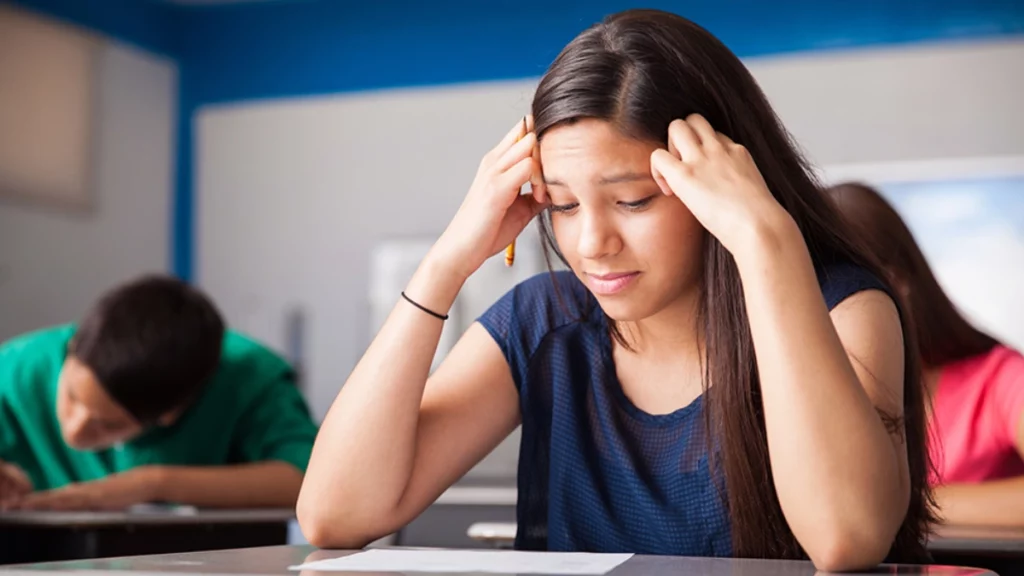
Exam anxiety is an important psychological condition that directly affects students’ academic achievement in particular. Before or during an exam, a person can experience intense anxiety, panic and a fear of failure. While this makes it harder to recall information, it also leads to problems with focus. Expectations about the future and pressures from the environment are among the factors that increase exam anxiety. The effects of exam anxiety are not limited to academic performance alone. In the long term, it can also lead to consequences such as a loss of self-confidence, an inability to cope with stress, and a breakdown in social relationships. When it is not noticed and addressed in the early period, exam anxiety can negatively affect both a person’s educational life and their mental health. For this reason, it is very important to recognise exam anxiety and to learn to cope with it using the right methods.
Why Does Exam Anxiety Happen?
Exam anxiety is a condition that arises from a combination of many different factors. For some students the fear of failure, and for others pressure from family and their environment, is one of the fundamental causes of this anxiety. In particular, the thought “if I fail, my worth decreases” is among the most important cognitive distortions that increase exam anxiety. In addition, the high expectations that students place on themselves can intensify performance anxiety even further. Biological and psychological factors also play a part in exam anxiety. A rise in the stress hormone cortisol causes attention to wander during the exam and makes it harder to recall information. Alongside this, a perfectionist personality structure, a lack of self-confidence and negative thought patterns also prepare the ground for exam anxiety. Environmental factors should also not be ignored among the causes of exam anxiety. Students who are constantly compared, children raised with high expectations of success, or young people who experience teacher pressure go through the exam process more anxiously. In addition, a lack of regular study habits, difficulties with time management and inadequate preparation are also among the important elements that increase exam anxiety. Therefore, exam anxiety develops from a combination of individual and environmental factors rather than being tied to a single cause. Understanding these causes is quite important for determining the right solutions.
What Are the Symptoms of Exam Anxiety?
Exam anxiety most often shows itself through both physical and psychological symptoms. Physically, a faster heartbeat, sweating, nausea, headaches and sleep problems are frequently seen before an exam. In some students, reactions such as trembling, shortness of breath or dizziness can also emerge. These symptoms show how intensely the anxiety is felt in the student’s body. Psychological symptoms, on the other hand, show themselves more in the world of thoughts and emotions. Before an exam, negative thoughts constantly troubling the mind, and anxious thoughts such as “I’m going to fail” or “I didn’t study enough”, are common. In addition, difficulty focusing, forgetfulness and a loss of motivation are also among the psychological symptoms. Some students can experience a feeling of panic during the exam and struggle to express what they know. Behavioural symptoms should also not be ignored. Behaviours such as excessive procrastination, refusing to study, avoiding the exam or over-preparing are ways in which exam anxiety is expressed. Socially, reactions such as shyness, not asking friends or family for help, and withdrawing can be seen. Noticing the symptoms of exam anxiety early is important for both the student’s mental health and their academic performance. Learning to cope with these symptoms is the first step in preventing anxiety from negatively affecting life.
Ways to Cope with Exam Anxiety
Coping with exam anxiety is quite important for protecting the student’s both psychological and physical health. First of all, one of the fundamental steps in managing anxiety is to carry out a regular and planned preparation for the exam process. Creating a study programme, progressing by breaking topics into parts, and establishing an efficient study routine with breaks reduce anxiety. Breathing exercises, meditation and relaxation techniques are also among the effective ways of controlling exam anxiety. Taking deep breaths slows the heartbeat and enables thoughts to focus in a calmer way. At the same time, noticing negative thoughts and replacing them with more realistic, positive thoughts is important in terms of the cognitive approach. For example, thoughts such as “I’ll do the best I can” instead of “I’m going to fail” ease the anxiety. Physical activity and healthy lifestyle habits are also powerful tools against exam anxiety. Regular sleep, a balanced diet and light exercise help the body cope better with stress. In addition, getting social support also plays a critical role in reducing anxiety. Talking about anxiety and stress with family, friends or a psychologist enables the student to relax and feel more secure. The main aim of coping with exam anxiety is not to eliminate the anxiety completely, but to bring it down to a manageable level. These strategies both improve the student’s exam performance and strengthen their mental resilience in the long term.
How Does Exam Anxiety Affect Students’ Success?
Exam anxiety is an important factor that directly affects students’ academic performance. A high level of anxiety makes it harder to recall learned information and leads to problems with focus during the exam. This prevents the student from showing their true potential in the exam. In particular, even students who have mastered the material may not be able to give the correct answers because of anxiety. Exam anxiety also negatively affects motivation and self-confidence. Students with high levels of anxiety may show exam-avoidance behaviours or may put off studying. This lowers achievement even further and creates a negative cycle: low performance → increased anxiety → lower performance. In some students, anxiety is effective not only during the exam but also while studying; distraction, forgetfulness and a loss of concentration are frequently seen. In the long term, the effects of exam anxiety are not limited to academic achievement. Students’ self-confidence can decrease, and their not feeling adequate can also negatively affect their social relationships and daily life. For this reason, managing exam anxiety is critically important not only for exam success but also for the student’s general psychological health.
Exam Anxiety Treatment and Psychological Support Methods
Although exam anxiety can most often be managed on its own, in some cases it may be necessary to get professional support. Psychological support is quite effective in helping the student understand their anxiety and develop coping strategies. Cognitive Behavioural Therapy (CBT) is one of the most commonly used methods in exam anxiety. This therapy method focuses on noticing negative thought patterns and replacing them with more realistic, positive thoughts. In addition, relaxation and breathing techniques play an important role in coping with exam anxiety. Regular breathing exercises, relaxation and mindfulness practices reduce the intensity of anxiety and enable the student to be more focused during the exam. In some cases, group therapies or support groups can also provide students with social support and motivation. Another advantage of getting psychological support is being able to get to the root of the anxiety. Among the causes of anxiety there can be factors such as a lack of self-confidence, perfectionism or family pressure. A specialist psychologist, by identifying these factors and offering personalised strategies, helps to reduce exam anxiety in the long term. If exam anxiety is seriously affecting daily life or academic achievement, getting professional support in the early period is a critical step both for protecting mental health and for improving performance.
Online Psychologist Support for Exam Anxiety
In coping with exam anxiety, online psychologist support offers a practical and effective solution for students. Especially students with an intense study schedule can manage their anxiety by getting expert support without leaving their homes. Online therapy, through individual sessions, determines the student’s level of anxiety and makes it possible to develop personalised strategies for them. Online psychologists, using proven methods such as cognitive behavioural therapy techniques, relaxation exercises and breathing techniques, aim to reduce the student’s exam anxiety. Sessions take place in a safe environment where the student can comfortably ask their questions and share their anxieties. In this way, the student learns to cope with the stress they experience before and during the exam and improves their exam performance. In addition, online psychologist support can also involve families in the process. Families learn to understand their children’s anxieties and to be supportive. In this way, it becomes easier for the student to cope with anxiety in a safe and supportive environment at home. If you too do not want your exam anxiety to negatively affect your quality of life or your academic achievement, you can manage this process with the guidance of a professional by getting online psychologist support.