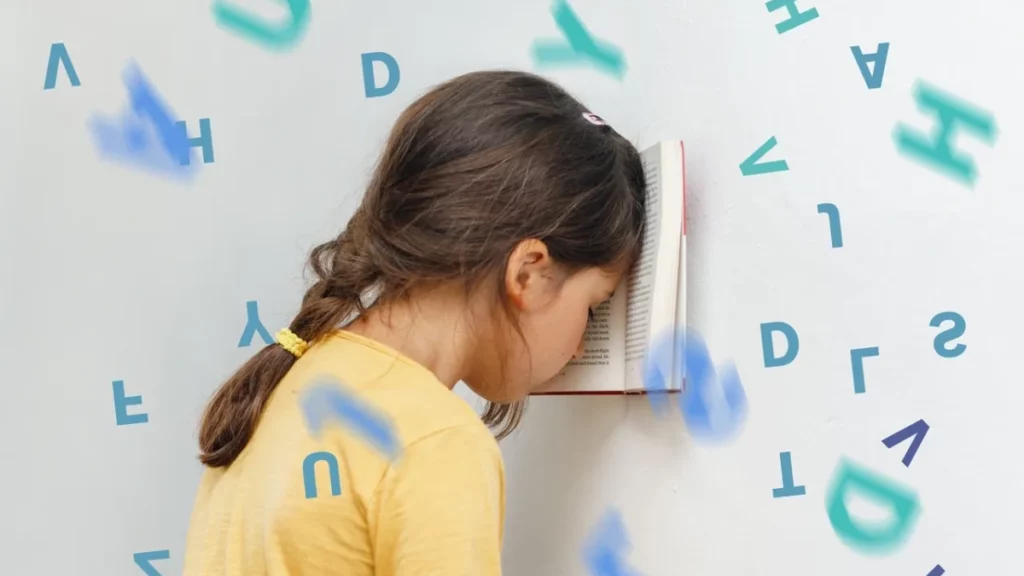
Dyslexia is a learning difference characterised by the difficulties an individual experiences with reading, writing and language processing. Even though their level of intelligence is normal or above normal, the person may experience problems such as mixing up letters, reading slowly and struggling to recognise words. Dyslexia, which is most commonly noticed in childhood, can affect a person’s academic success, self-confidence and social relationships when there is no early intervention. Dyslexia is not limited to mixing up letters; difficulties may also be seen in listening, confusing directions, perceiving time or sequencing skills. Because it can appear differently in each individual, a personalised assessment and support process is needed. Working with a specialist psychologist helps the individual both to recognise their strengths and to develop appropriate learning strategies.
How Is Dyslexia Recognised? Early Signs and the Diagnostic Process
Dyslexia is usually noticed in the preschool or primary-school period. However, in some cases the signs may go unnoticed until the later years of academic life. For this reason, noticing dyslexia early is very important for getting ahead of the difficulties a child may experience in their education. Early signs of dyslexia include mixing up letters and sounds, writing words backwards, difficulty following instructions, trouble keeping rhythm, or having a vocabulary that lags behind their age. In the process of learning to read in particular, mixing up letters such as “b” and “d”, spelling slowly, or skipping lines while reading are common signs. In the diagnostic process, the child’s level of intelligence, attention skills and academic performance are assessed first. A single test is not enough to diagnose dyslexia; instead, psychological assessment, neuropsychological tests and observations are considered together. A detailed assessment carried out by a specialist psychologist reveals in which areas the child experiences difficulty and which of their skills are strong. This information makes it possible to create an appropriate education and support plan. Diagnosing dyslexia early both protects the child’s self-confidence and increases their motivation to learn. Children who are noticed early and supported with the right approaches can show meaningful improvements in their school success.
What Are the Symptoms of Dyslexia in Children? A Guide for Parents
Dyslexia is one of the most commonly noticed learning difficulties in childhood. However, the signs are not seen in the same way in every child; while some children struggle with reading, others may have difficulty with writing or listening skills. For this reason, it is very important for parents to observe the signs closely so that early support can be obtained. Some early signs in the preschool period that may point to dyslexia are a delay in speech development, difficulty learning nursery rhymes, difficulty understanding instructions and trouble distinguishing sounds. These children may often mix up words and struggle with activities that involve rhythm or rhyme. In the primary-school years, more pronounced problems emerge in the reading and writing process. Writing letters backwards, mixing up words while spelling, skipping lines while reading, reading very slowly, or difficulty understanding what has been read are among the signs of dyslexia. In addition, some children struggle to organise their written expression, may skip words while writing, or may write words with missing letters. The point parents most need to pay attention to is that a child may be experiencing these kinds of difficulties even if their intelligence is normal or superior. Dyslexia does not stem from laziness or reluctance; it is a neurological learning difference. For this reason, in cases of doubt, receiving professional support from a psychologist ensures that the child is guided correctly. With early support, children with dyslexia can strengthen their learning skills and improve their academic success.
How Is Dyslexia Recognised in Adults?
Although dyslexia is mostly noticed in childhood, in some people the signs can remain hidden until adulthood. In adults, dyslexia shows itself through difficulties in reading, writing or information-processing and can create various challenges in work, academic or social life. Signs of dyslexia in adults generally include: difficulty understanding written texts, making letter or word errors while writing, losing time while preparing emails or documents, a slow reading speed, and difficulty organising written expression. Some adults may also struggle when following numerical information or instructions. These are not related to the person’s intelligence but to a difference in learning and information-processing. Dyslexia can also affect self-confidence in adults. Stress may increase in working life due to errors in remembering or writing, and anxiety may develop in social settings. For this reason, accurate diagnosis and support are very important for adults. Psychological assessment and guidance help the person identify their strengths and develop effective strategies. In addition, with practical methods that can be applied in daily and working life, difficulties stemming from dyslexia can be minimised and quality of life can be improved.
What Causes Dyslexia? Genetic and Environmental Factors
Dyslexia is a neurological learning difference that does not depend on a single cause but arises from the coming together of genetic and environmental factors. Research shows that there may be differences in the brain’s language-processing and reading centres in individuals with dyslexia. These differences can affect the processes of recognising letters, distinguishing words and correctly producing written expression. Genetic factors play an important role in dyslexia. If there is a family history of dyslexia, the likelihood of it appearing in the child increases. However, genetic predisposition alone is not decisive; environmental factors also affect learning processes. For example, children who do not receive sufficient language stimulation in the early period may struggle to develop their reading and writing skills. In addition, traumas experienced at an early age, stress, or the absence of appropriate learning support can contribute to the signs of dyslexia becoming more pronounced. Dyslexia is not a deficiency related to intelligence; on the contrary, most individuals have a normal or high level of intelligence. The difference stems from a difference in the brain’s reading and language-processing mechanisms. For this reason, early diagnosis and appropriate psychological support are critically important for both academic success and the development of self-confidence. A specialist psychologist can help develop effective learning strategies by identifying the individual’s strengths and weaknesses.
Can Dyslexia Be Treated? Psychological Support and Therapy Methods
Although dyslexia does not disappear completely, individuals’ reading, writing and language skills can be greatly improved with the right methods and psychological support. The treatment process is shaped according to the age of the child or adult, the areas in which they experience difficulty, and their needs. One of the most common approaches is to use individual education programmes and special teaching methods. These methods are aimed at distinguishing letters, recognising words, spelling and increasing reading speed. In addition, with cognitive-behavioural techniques the individual’s self-confidence is supported, their motivation to learn is increased, and academic anxieties are reduced. Education programmes are usually supported by small steps and repetition, so that lasting learning is achieved. In the psychological support process, strategies are developed under the guidance of a psychologist; the individual discovers which learning techniques suit them and begins to apply them in daily life. With early intervention, children can show meaningful improvements in school success, while adults can also be more productive in work and social life. What matters in the treatment of dyslexia is that the individual recognises their strengths and, with appropriate support, optimises their learning processes.
Living with Dyslexia: Ways to Cope in Daily Life
Dyslexia can create difficulties in every area of life; however, with the right strategies and support, these difficulties can be largely managed. Coping with dyslexia in daily life increases an individual’s productivity in both academic and working life and strengthens their self-confidence. First of all, it is important to develop daily planning and organisation skills. Written and visual reminders, colourful notes, digital applications and checklists help with organising and remembering information. In addition, taking short, frequent breaks during the learning process increases attention and focus. For reading and writing tasks, using reading aloud, word-processing programmes or special fonts is helpful. For individuals with dyslexia, psychological support and guidance play a critical role in determining the strategies to be applied in daily life. The individual discovers their strengths, learns to manage their weaknesses and develops learning methods that suit them. Support from family and the work environment also increases motivation and reduces stress. In this way, despite dyslexia, an individual can succeed in academic, social and working life, protect their self-confidence and raise their quality of life.
Start Online Therapy to Get Support with Dyslexia
Dyslexia is a condition that can affect an individual’s learning process and daily life; however, it can be managed with the right support and strategies. Online therapy helps to develop reading, writing and language skills by providing professional guidance for children and adults with dyslexia. Through online therapy, the individual can work one-to-one with a specialist psychologist in the comfort of home. Cognitive behavioural techniques, education programmes and strategy-development methods applied specifically for dyslexia both increase academic success and strengthen self-confidence. In addition, online therapy offers flexible session times and the opportunity for personalised planning, which makes the process more effective and sustainable. Through online therapy, parents and adults can support their children’s or their own learning processes and develop effective solutions in the areas where difficulty is experienced. Receiving professional support to cope with dyslexia enables the individual to use their potential to the fullest and to improve their quality of life.