Adolescence is a period in which physical changes and identity development are intensely experienced. During this time, young people become sensitive when it comes to perceiving and evaluating their own bodies. Body image in adolescents refers to a person’s thoughts about their own physical appearance, their satisfaction and sometimes their anxieties. A negative body image can lead to problems such as loss of self-confidence, social shyness and irregular eating behaviour. Media, the social environment and peer influence play a major role in adolescents’ body image. The frequent emphasis on ideal body norms in popular culture can cause young people to evaluate their own bodies negatively. With early awareness and the right guidance, it is possible for this perception to be shaped in a healthy way. Where necessary, receiving professional support is an important step in protecting adolescents’ mental and physical health alike.
Why does body image become distorted in adolescents?
Body image in adolescents can become distorted as a result of the interaction of many internal and external factors. During this period, because young people undergo rapid physical changes, they may frequently experience anxiety in evaluating their own bodies. Hormonal changes, the changing of body contours and growth processes can make an adolescent’s process of getting to know and accepting themselves more difficult. External factors also seriously affect body image. Media and social media platforms constantly bring ideal body measurements and beauty standards to the fore. This increases the tendency among adolescents to evaluate their own bodies negatively. The circle of friends and peer comments can also have an effect on an adolescent’s body image; mockery, criticism or comparisons negatively affect self-confidence and body satisfaction. In addition, the family environment and parental attitudes also shape body image. Critical or overly interfering parental behaviour can lead an adolescent to not feel adequate and to develop anxieties about their body. Negative thoughts and anxieties about the body can, over time, turn into psychological problems such as social shyness, irregular eating behaviour and a lack of self-confidence.
What problems does a negative body image cause in adolescents?
A negative body image can produce serious consequences that affect both the psychological and the social life of adolescents. A lack of self-confidence is one of the most common effects in adolescents; when young people are not satisfied with their own bodies, they may behave shyly in social settings, struggle to make new friendships or withdraw from group activities. This negatively affects both school success and general quality of life. Disturbances in eating behaviour are another common consequence of a negative body image. Some adolescents may diet excessively, restrict food, or, conversely, turn to emotional eating. Such behaviour puts both their physical health and their psychological state at risk. In addition, anxiety and symptoms of depression are also frequently associated with a negative body image. Adolescents may constantly compare themselves with others and experience intense stress in the face of criticism about their bodies. Situations such as social isolation, unhappiness and low motivation can also emerge. For this reason, noticing a negative body image early in adolescents and, if necessary, guiding it with professional support is extremely important for protecting mental and physical health.
The relationship between body image and self-confidence in adolescents
During adolescence, the perception of one’s body has a direct effect on the development of self-confidence. When young people evaluate their own bodies negatively, they may experience a loss of self-esteem and self-confidence. A negative body image can affect an adolescent’s social and academic life alike, causing them to behave shyly when it comes to expressing themselves and taking part in new experiences. Adolescents with a negative body image usually focus excessively on how they appear in others’ eyes. This can lead to social anxiety and isolation. In addition, young people with low self-confidence may feel inadequate about taking part in group activities or in situations that require responsibility, such as leadership. This process can also leave negative effects on academic success and social development. To support self-confidence, adolescents should be encouraged to accept their bodies as they are. Positive feedback in the family and school environment, education that emphasises that physical differences are normal, and young people not associating their achievements solely with physical appearance are critically important for the healthy development of self-confidence. Where necessary, online therapy or psychological counselling can help adolescents correct their negative perceptions of their bodies and strengthen their self-confidence. Adolescents developing a healthy perception of their bodies is extremely important for both self-confidence and psychological health. The first step is for young people to learn to evaluate their own bodies in a positive and realistic way. When families and educators have conversations that emphasise that bodily differences are normal, it helps young people accept themselves as they are. Regular physical activity and healthy eating play a critical role in developing a positive perception of the body. Exercise not only supports physical health but also increases body awareness and self-confidence. Keeping social media use conscious and limited is also important; constantly encountering ideal body standards can reinforce a negative body image. Adolescents should be encouraged not to associate their achievements and worth solely with their physical appearance. Receiving positive feedback in different areas such as hobbies, art, sport and academic success enables young people to evaluate themselves in a multidimensional way. Where necessary, online therapy or psychological support offers a professional contribution to adolescents developing a healthy body image and strengthening their self-confidence.
Social media and its effect on body image in adolescents
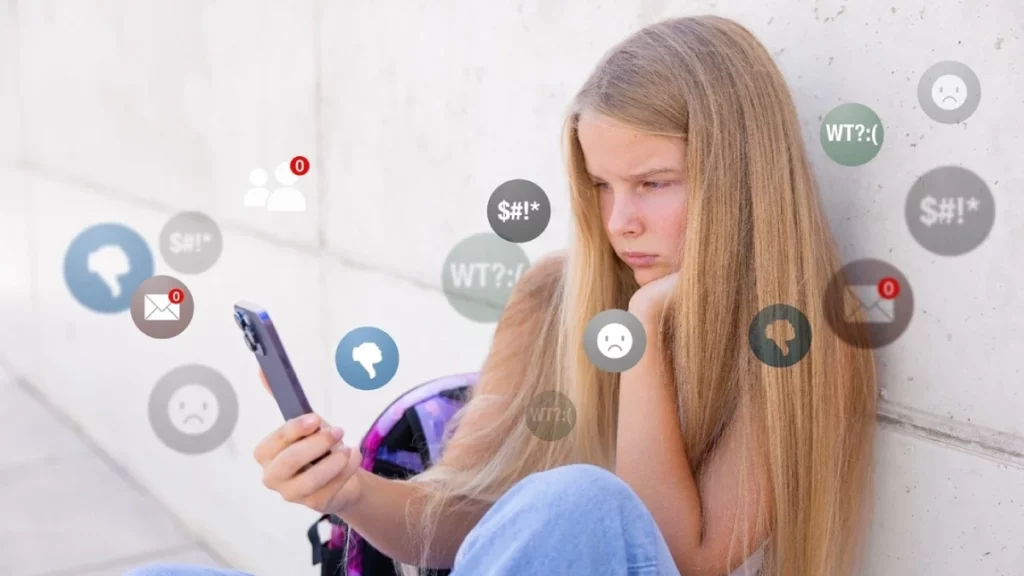
Social media is a factor that shapes adolescents’ perception of their bodies to a great extent. The ideal body standards frequently shared on platforms can increase the tendency among young people to evaluate their own bodies negatively. A negative body image can be reinforced by the filtered and perfect-looking examples seen on social media and can trigger feelings of anxiety and dissatisfaction in adolescents. The influence of social media is not limited to appearance alone; adolescents may evaluate themselves on the basis of the number of likes and comments, and this can have a negative effect on self-confidence. Constant comparison, by increasing stress and social anxiety in young people, can lead to negative consequences for both psychological and physical health. For this reason, the conscious management of social media use is of great importance. Parents and educators should teach adolescents to evaluate social media content with a critical eye and introduce young people to realistic body standards. In addition, where necessary, psychological support or online therapy can help adolescents correct the negative body image formed through the influence of social media and develop a healthy sense of self-confidence.
Psychological support methods for body image in adolescents
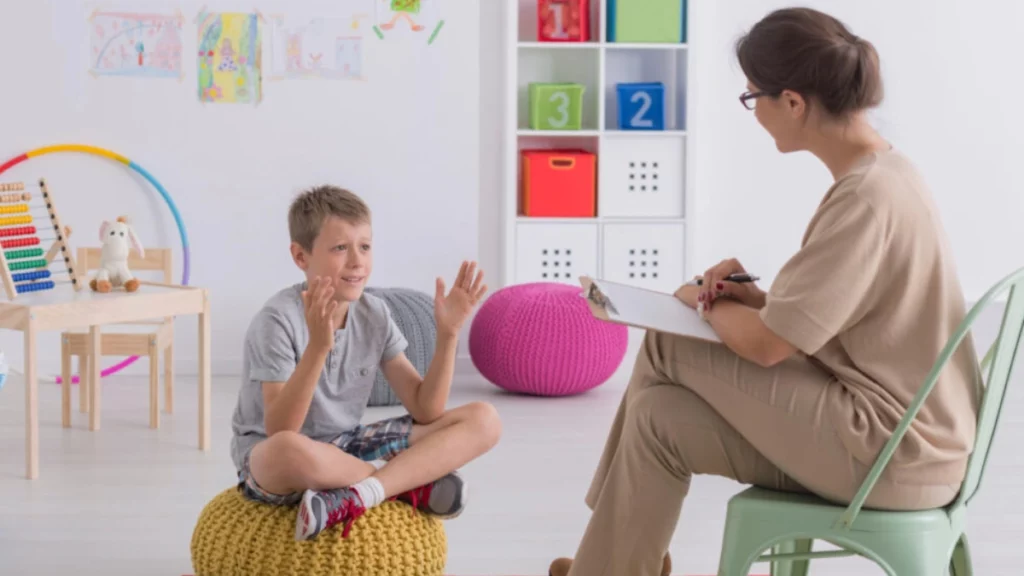
A negative body image in adolescents can, over time, lead to problems such as loss of self-confidence, social anxiety and irregular eating behaviour. For this reason, online psychologist support plays a critical role in young people restructuring their body image in a healthy way. The therapy process helps an adolescent express their emotions, get to know themselves and change their negative beliefs about their body. Cognitive behavioural therapy (CBT) enables adolescents to notice their negative thought patterns and replace these thoughts with more realistic and positive alternatives. During the therapy process, young people also learn to develop coping strategies against external factors such as social media and peer influence. In addition, family counselling and guidance support help create a safe and supportive environment around the adolescent. Today, online therapy options offer a flexible and accessible solution for adolescents with busy school and social schedules. Counselling offered on online platforms enables young people to manage the process at their own pace and receive support safely in the home environment. With regular psychological support, adolescents can improve their body image, strengthen their self-confidence and protect their mental health.