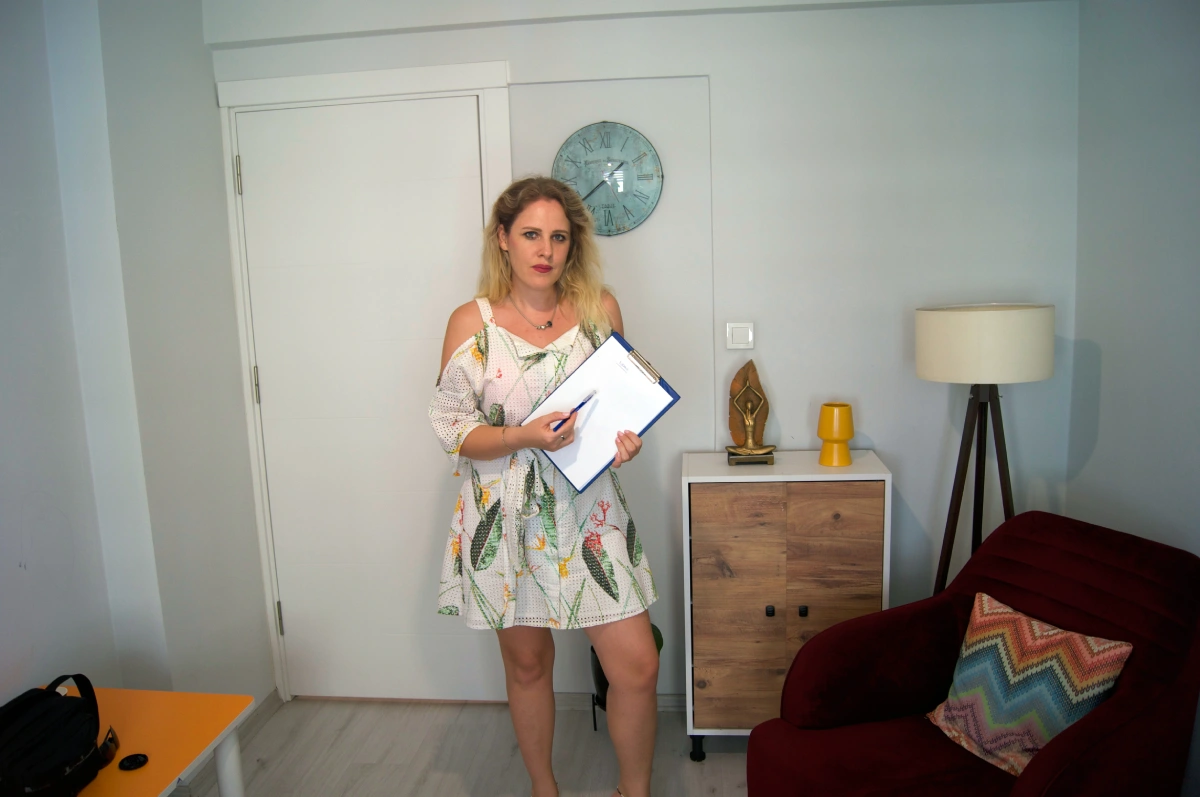

Body image disorder is a psychological condition characterised by individuals excessively magnifying flaws in their physical appearance that in reality do not exist or are very small, and turning them into obsessions. This condition can negatively affect a person’s daily life, social relationships and general functioning. Body image disorder is generally seen more frequently during adolescence and young adulthood, and it is detected more commonly in women. This disorder can lead a person to harbour constant worries about their outward appearance and, in line with these worries, to display behaviours such as constantly looking in the mirror, asking others about their appearance, or resorting to cosmetic procedures.
The Causes of Body Image Disorder
Body image disorder generally arises as a result of a combination of an individual’s genetic, biological and environmental factors. Research shows that this disorder is seen more frequently in individuals with a family history of similar anxiety or obsessive behaviour. In addition, differences in certain regions of the brain related to visual perception and self-perception can make it harder for the individual to evaluate their own image accurately. Environmental factors also play an important role in the development of this disorder. The constant presentation of ideal body and facial standards through the media and social media can lead to low self-confidence and body dissatisfaction, especially in young people. In addition, critical family attitudes or an upbringing that constantly focuses on outward appearance can cause the individual to feel inadequate and to develop obsessive thoughts. Body image disorder is generally triggered by stress and anxiety; during periods of intense stress, a person may exaggerate their flaws even more and withdraw from daily life activities. For this reason, understanding the causes and early intervention are critically important for protecting the individual’s mental health and improving their quality of life. Online therapy services are an effective method for both raising awareness and offering solutions tailored to the individual in this process.
Treatment Methods for Body Image Disorder
Body image disorder is a condition that negatively affects individuals’ quality of life; however, it can be managed with appropriate treatment methods. One of the most effective methods in the treatment process is Cognitive behavioural therapy (CBT). CBT enables the person to become aware of their obsessive thoughts about their body and helps them replace these thoughts with more realistic and healthy perspectives. In this process, the person learns to reduce their excessive focus on their body and to re-engage in social life activities. Behavioural interventions aim to reduce the individual’s behaviours such as obsessively looking in the mirror, resorting to cosmetic procedures or constantly asking others about their appearance. In addition, relaxation techniques, breathing exercises and stress management strategies are integrated into treatment in order to lower anxiety levels and enable the person to move more comfortably in daily life. Today, online therapy options allow individuals to receive expert support without leaving home. Online sessions offer techniques for managing body image disorder through personalised plans. In this way, the person can reduce their obsessions, strengthen their self-confidence and function more comfortably in social life. Online therapy stands out as a flexible and effective solution for both adolescents and adults.
Strategies for Coping with Body Image Disorder
There are various coping strategies that individuals experiencing body image disorder can apply in daily life. First of all, it is important for the person to become aware of their thoughts about their own body and to observe their level of obsession. This awareness makes it easier to recognise and manage negative thought patterns. Positive self-talk and showing oneself compassion instead of self-criticism are among the effective methods for reducing anxiety. Techniques that can be applied in daily routines also play an important role. For example, limiting the amount of time spent looking in the mirror, regulating social media use and avoiding constantly comparing oneself with others help in coping with body image disorder. In addition, turning to hobbies and areas of interest supports the person in feeling valuable and adequate. Professional guidance plays a critical role in applying these strategies effectively. With online therapy, personalised strategies are developed with the accompaniment of an expert, anxiety management techniques are applied, and the individual is supported in becoming more self-confident in daily life. This method is a safe and accessible solution for both adolescents and adults.
Get Support Through Online Therapy to Cope with Body Image Disorder
Body image disorder is a condition that can negatively affect a person’s self-confidence, social life and daily functioning. However, with the right support and guidance, it is possible to overcome these difficulties. Psychologist Nilay Özkan, with over 10 years of experience, offers an online therapy service, helping individuals experiencing body image disorder manage their obsessive thoughts, reduce their anxieties and improve their quality of life. Thanks to online therapy sessions, you can receive individual guidance without leaving home, learn to evaluate your body image in a healthier way through personalised strategies, and become more self-confident in social life.