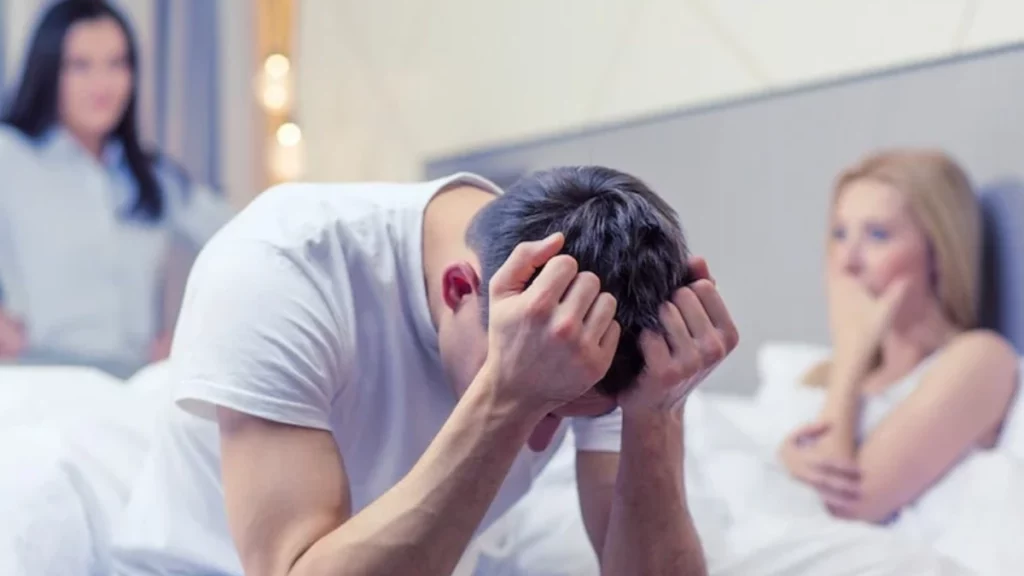
The regret experienced after infidelity forces a person to confront both themselves and their relationship. The person who has been unfaithful is often left alone with intense feelings of guilt, anxiety and worthlessness. This process can leave deep marks not only on the relationship but also on individual mental health. For those who say “I cheated on my spouse and I regret it”, the most important step is to analyse their feelings correctly and draw up a healthy road map. Alongside the feeling of regret, rebuilding trust and the future of the relationship are also among the critical issues. While some couples can get through this process and make their relationship stronger, for others separation becomes inevitable. At this point, a person needs both to regulate their own emotions and to manage the way they approach their partner correctly.
What Should Someone Who Has Cheated Do? The First Psychological Steps
The first thing a person who says “I cheated on my spouse and I regret it” should do is to confront themselves honestly. The intense guilt, anxiety and regret that arise with the psychology of infidelity often make a person feel helpless. However, these emotions should not be suppressed but dealt with properly. In the first step, the person should take responsibility for their behaviour and avoid blaming external factors. This is because the most important point in the process of regret is to accept the mistake and show a willingness to change. Psychologically, in the first stage it is helpful for the person to ask themselves these questions: “Why did I cheat?”, “What emotion or lack drove me to this behaviour?”, “Do I really want to continue my relationship?” The answers to these questions both increase individual awareness and help prevent similar mistakes in the future. In addition, sincerity and openness are important in how you approach your partner. Apologising, sharing your feelings and trying to understand the other person’s feelings are cornerstones of the process. However, at this point a verbal apology alone may not be enough. Rebuilding trust takes time and must be supported by consistent behaviour. Seeking professional support for your own mental health is also an important part of the process. Online therapy can make it easier to cope with feelings of guilt, develop self-control and carry out the process of repairing the relationship in a healthy way.
How Does Regret After Infidelity Pass?
The regret experienced after infidelity often comes together with intense guilt and anxiety. People who say “I cheated on my spouse and I regret it” question both themselves and their relationship under the impact of the mistake they have made. Managing this emotion and letting it pass in a healthy way is critically important both for individual mental health and for sustaining the relationship. The first step in managing the process of regret is to become aware of your emotions and not suppress them. Although feelings of guilt and shame are natural, when they go to extremes they negatively affect a person’s daily life. At this point it is important to show yourself compassion, accept the mistake and create a constructive plan for change. Instead of constantly blaming yourself, seeing the mistake as an opportunity to learn helps regret to diminish. Another method is to engage in behaviour that makes amends. Communicating openly with your partner, apologising and taking concrete steps to rebuild trust ease the impact of regret. In this process the person also needs to protect their own emotional boundaries, because excessive self-sacrifice and constant self-blame can prolong the process. Professional support has an important role in coping with regret after infidelity. Online therapy makes it easier to manage guilt, reduce stress and anxiety, and apply behaviour changes suited to the person. With expert guidance, a person can both find their own inner peace and create a healthy basis for communication in their relationship.
I Cheated on My Spouse — How Can I Regain Their Trust?
One of the biggest challenges after infidelity is regaining your partner’s trust. People who say “I cheated on my spouse and I regret it” often think it is impossible to rebuild this trust. Yet when the right steps are taken, trust can be re-established; however, this process requires patience, consistency and open communication. First of all, you need to accept responsibility for the mistake and offer a sincere apology. Behaviour is as critical as words in building trust. Avoiding lies and excuses and being honest and transparent form the cornerstones of trust. At this point, understanding your partner’s feelings and allowing them to be expressed is also very important. Reactions may sometimes take the form of anger or resentment; approaching these with patience and empathy helps re-establish trust. Regaining trust is not limited to relational behaviour; the person also needs to manage their own inner processes. Guilt and anxiety constantly reflected in the relationship can affect trust negatively. For this reason, the person should develop emotional awareness and, with a commitment not to repeat their mistakes, display consistent behaviour. Seeking professional support makes it easier to create an effective strategy in this process. Online therapy shows the person both how to evaluate their own behaviour and how to build healthy communication with their partner. In this way, rebuilding trust proceeds in a more systematic and conscious way.
Is It Possible to Save a Relationship After Infidelity?
Saving a relationship after infidelity is one of the most challenging processes for many couples. People who say “I cheated on my spouse and I regret it” may think their relationship can never be the same as before. However, with the right approach, communication and professional support, many relationships can overcome this difficult process and even build a stronger bond. To save the relationship, both parties first need to be willing. The emotional reactions of the betrayed partner may take the form of anger, sadness and mistrust; understanding these reactions and meeting them patiently is critically important. Apologising alone is not enough; words and behaviour must be consistent and must re-establish trust. Secondly, it is important to strengthen communication. Open and honest dialogue allows both parties to express their feelings. Noticing the weak points in the relationship and working on them makes it easier to reconnect after infidelity. In addition, personal awareness and taking responsibility support rebuilding the relationship on a healthy foundation. Seeking professional help is a highly effective way to manage the process more healthily and safely. Online therapy guides both the person who was unfaithful and couples who want to save their relationship, making emotional healing and the rebuilding of trust easier. In this way, saving a relationship after infidelity becomes possible and couples can move forward more consciously.
Ways for the Unfaithful Person to Cope With Guilt
One of the most intense emotions felt after infidelity is guilt. People who say “I cheated on my spouse and I regret it” feel deep pangs of conscience as they face the consequences of their behaviour. This guilt can negatively affect both individual mental health and the relationship. However, with the right strategies, this emotion can be managed and the process can move forward constructively. The first step is to accept guilt rather than suppress it. Guilt is a natural emotion that shows the person is aware of their mistake and helps them review their behaviour. Instead of constantly punishing yourself, it is healthier to see the mistake as an opportunity to learn. Gaining emotional awareness in this process is important for understanding which behaviours have harmed the relationship. Another method is to take steps that make amends. Apologising, communicating honestly and transparently, showing empathy for your partner’s feelings and rebuilding trust are all effective in reducing guilt. In addition, applying personal boundaries and self-compassion eases the wearing effect of intense guilt. Getting support from an online psychologist speeds up coping with guilt and helps you manage the process in a more controlled way. Online therapy allows the person to express their feelings without judging themselves, supports them in noticing their mistakes and developing behaviour changes, and makes emotional healing after infidelity easier.
Professional Support and the Therapy Process After Infidelity
The regret, guilt and loss of trust experienced after infidelity are difficult for many people to cope with. At this point, seeking professional support speeds up the healing process, both individually and in terms of the relationship. For people who say “I cheated on my spouse and I regret it”, therapy helps them understand their emotions, accept their mistakes and take healthy steps towards the future. The first step in the therapy process is for the person to explore their own emotional experiences. Emotions such as guilt, anxiety, anger and regret are addressed in detail. Expert guidance enables the person to express these emotions in a healthy way and helps them develop self-compassion. In addition, the effects of the infidelity on the relationship are worked through; this both increases individual awareness and helps set out strategies for repairing the relationship. The process can be supported with the options of couples therapy or individual therapy. Couples therapy focuses on strengthening communication, rebuilding trust and identifying the needs of the relationship. Individual therapy, on the other hand, enables the person to manage their own emotional processes and avoid repeating similar mistakes. Today, online therapy makes it possible to carry out this process in a more accessible and flexible way. Sessions held in the comfort of home and in a safe environment support emotional healing after infidelity and enable the person to confront both themselves and their relationship in a healthy way. Professional support contributes to a more conscious, controlled and effective process.