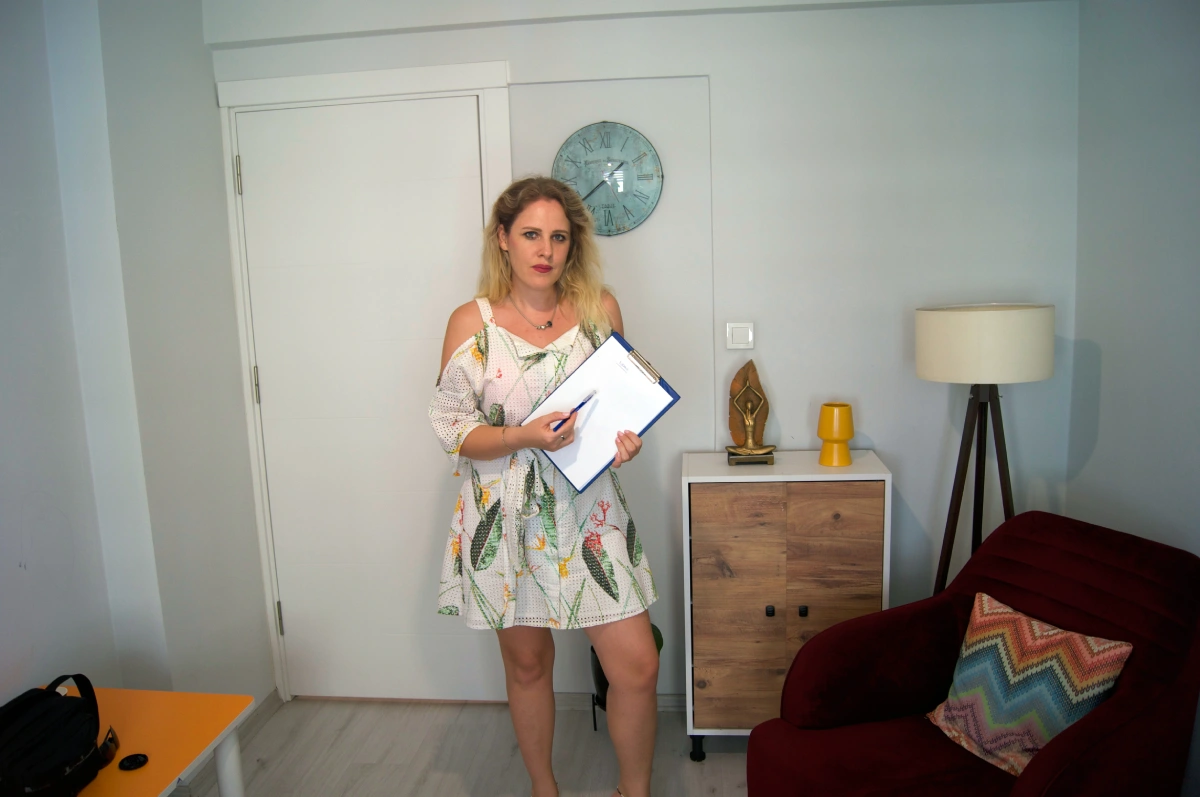

Empathy is the ability to understand another person’s emotions and thoughts and to feel them without judging and without putting one’s own point of view first. Empathy is of great importance for interpersonal relationships to be healthy and strong. Empathy shows itself not only through verbal communication but also through body language, facial expressions and emotional awareness. In daily life, people with a well-developed capacity for empathy are more successful in social relationships, more harmonious in working life and more effective at coping with stress. There are various methods for developing empathy. First of all, it is necessary to acquire the skill of active listening; listening to the other person attentively, without interrupting and without judging, increases empathy. Another method is developing emotional awareness; people who can recognise their own emotions are more successful at understanding others’ emotions. In addition, practising empathy — that is, looking at events by putting yourself in someone else’s place — is an important strategy that strengthens empathy.
What Is Empathy and How Is It Developed?
Empathy is the ability to understand another person’s emotions and thoughts and to feel them without judging. In human relationships, empathy strengthens communication, reduces conflicts and enables mutual trust to form. People with a well-developed capacity for empathy are more effective and harmonious in both social and professional life. At its foundation lie trying to understand others’ perspectives and emotional awareness. To develop empathy, it is first necessary to practise putting yourself in someone else’s place. This involves a person thinking, on the basis of their own experiences and emotions, in order to understand the situation another is going through. In addition, the skill of active listening also strengthens empathy; listening to the other person without interrupting and attentively observing their body language and facial expressions helps to understand their emotions correctly. Another method that increases empathy is developing emotional awareness. Individuals who can recognise their own emotions are more successful at understanding others’ emotions. Integrating empathy into daily life is possible through small steps. Showing interest in the other person, trying to understand their emotions and offering feedback increases both the skill of empathy and the quality of relationships. With regular practice, empathy becomes an ability that can develop throughout life and creates lasting effects in human relationships.
Increasing Empathy Skills Through Active Listening
Active listening is one of the most effective methods for developing empathy. It means not merely hearing the other person’s words but genuinely trying to understand them. This method reduces misunderstandings in communication, strengthens mutual trust and deepens interpersonal bonds. During active listening, a person listens to the speaker patiently and attentively, without judging; alongside verbal expressions, they also observe body language and facial expressions. An important step in the practice of active listening is giving feedback. By repeating or summarising what the other person has said in our own words, we can show that we have understood them correctly. For example, expressions such as “So, as you see it, this situation has been quite challenging” both strengthen empathy and help the other person feel understood. In addition, asking questions and encouraging the other person to explain helps to develop a deeper understanding. Active listening can be applied in every area of daily life. When used consciously in working life, in the family or in friendships, empathy skills develop quickly. This technique both increases the quality of relationships and strengthens emotional intelligence in social interactions. When practised regularly, empathy becomes not just an ability but a natural form of communication.
The Relationship Between Emotional Awareness and Empathy
Emotional awareness is a person’s ability to recognise, understand and manage their own emotions. This awareness is directly related to empathy, because in order to understand others’ emotions one must first be able to recognise one’s own emotions correctly. An individual who notices their own emotional state can interpret others’ feelings more accurately and respond to them appropriately. One of the methods that strengthens the relationship between empathy and emotional awareness is keeping a daily emotion journal. By putting the emotions they feel into writing, a person both gets to know themselves better and becomes more attuned to understanding others’ emotions. In addition, mindfulness and mindfulness meditation help a person observe their moment-to-moment emotional experiences and manage their emotional reactions. This in turn naturally supports empathy. Individuals who develop emotional awareness are more harmonious and understanding in social relationships. For example, noticing that a friend is sad and offering them appropriate support comes about through the combination of empathy and emotional awareness. These abilities are of great importance not only in personal relationships but also in professional life, in terms of resolving conflicts, strengthening teamwork and establishing effective communication.
Strengthening Relationships Through Empathy Methods
Empathy is one of the fundamental ways of increasing the quality of interpersonal relationships. By using the capacity for empathy, it is possible to understand the other person, respond appropriately to their emotions and build trust in the relationship. This process supports healthier communication both within the family and in work and social life. Certain methods can be applied in order to use empathy effectively. The first method is active listening and careful observation. Listening attentively to the other person’s words and observing their body language and facial expressions help us understand their emotions correctly. Another method is the reflection technique; expressing the person’s emotions in our own words to make them feel understood. For example, expressions such as “I think this situation has really been hard on you” help the other person feel valued and understood. In addition, increasing emotional awareness and being able to manage your own emotions also strengthens empathy. Individuals who understand their own feelings can read others’ emotions more accurately and develop appropriate responses. Applying empathy methods regularly not only strengthens interpersonal relationships but also develops the skills of conflict resolution, trust-building and healthy communication. As a result, using empathy consciously increases both the quality and the depth of relationships.
Techniques for Developing Empathy in Children
Empathy is one of the most valuable social skills that can be instilled in childhood. Children develop their capacity for empathy from an early age, and this skill directly affects their relationships, social adjustment and emotional intelligence in their later lives. Teaching empathy to children enables them to understand and share others’ emotions and to build healthy relationships. One of the most effective methods for developing empathy in children is role-modelling. Parents and educators should set an example by demonstrating empathy to children through their own behaviour. For example, children learn by observing this when someone helps a friend or takes another’s emotions into account. Another method is introducing and naming emotions. Explaining different emotions to a child helps them understand their own emotions and others’ feelings. For example, you can create awareness by asking questions such as “Your friend looks sad — how do you feel?” In addition, role-playing games and storytelling are important tools that develop empathy in children. These activities enable children to put themselves in others’ places and broaden their emotional perspective. When practised regularly, children learn empathy naturally and this skill becomes an indispensable part of their social lives.
The Lack of Empathy and Its Effect on Social Relationships
A lack of empathy can lead to serious problems in interpersonal relationships. Individuals who struggle to understand others’ emotions and to respond to them appropriately may experience conflict in social settings and may cause misunderstandings and disconnection. An inadequate capacity for empathy causes a decline in trust and an increase in communication problems in family, friend and work relationships alike. Individuals with a lack of empathy usually disregard or struggle to understand others’ emotions. This weakens interpersonal communication and causes relationships to remain superficial. For example, a person who does not notice or care about a friend’s sadness can cause the other person to feel worthless. In addition, a lack of empathy can lead to the weakening of social bonds and to social isolation. A lack of empathy can be reduced through awareness and conscious practices. A person can improve their relationships by learning active listening, developing emotional awareness and learning empathy methods. Receiving professional support with an online psychologist is an effective solution, especially for deficits in empathy shaped in childhood or by traumatic experiences. Developing empathy not only strengthens an individual’s social life but also increases their quality of life and emotional satisfaction.
Developing Empathy and Getting Online Support
Empathy is the foundation of building healthy and strong relationships. However, some people may not be able to fully develop empathy because of their life experiences or a lack of awareness. Strengthening your capacity for empathy enables you to deepen your relationships in both your personal and professional life. I, Psychologist Nilay Özkan, support my patients through online therapy with more than 10 years of clinical experience. I offer guidance on matters such as a lack of empathy, developing emotional awareness and strengthening communication skills. In this process, with personalised methods I help you understand both yourself and others’ emotions better. To develop your empathy skills and build stronger bonds in your relationships, you can arrange your online therapy appointment right away.