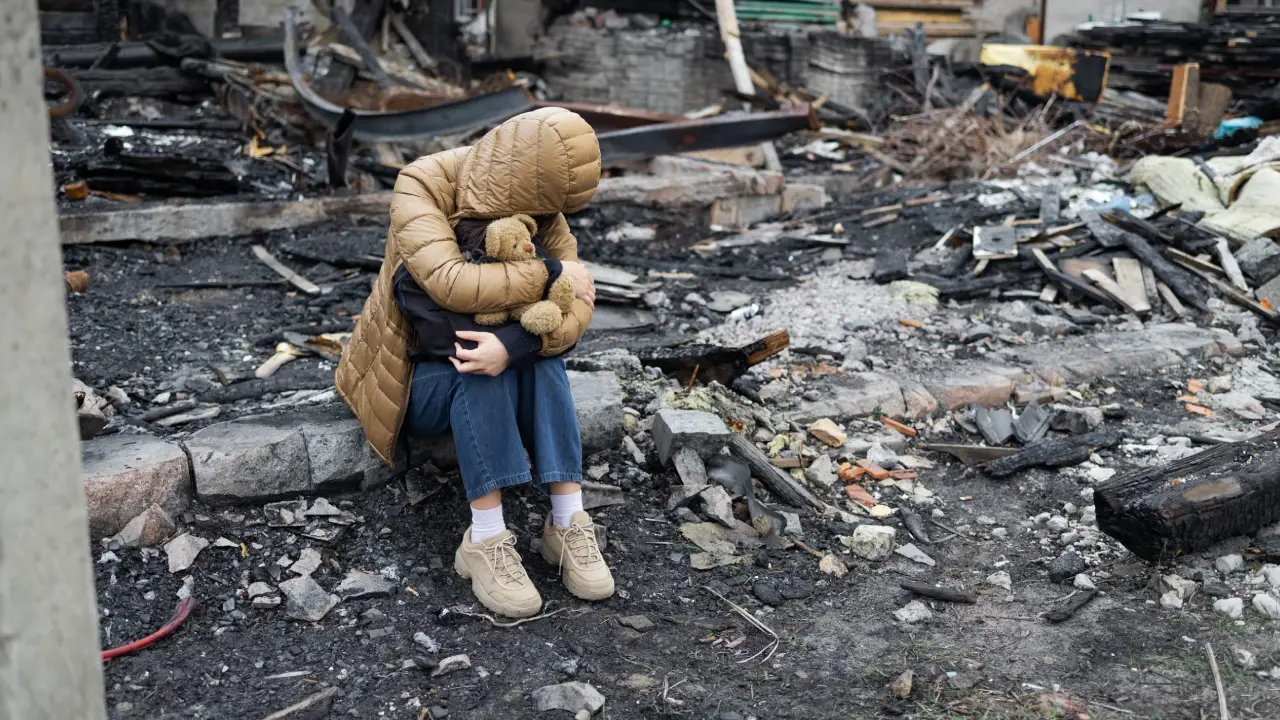
Disaster psychology examines how earthquakes, floods, fires, landslides, storms and other disasters affect individuals, families and communities. It includes much more than symptoms that appear after an event. The field also considers risk perception, preparedness, behaviour during danger, loss and grief, social support and long-term recovery.
Disasters can disrupt safety, predictability and control at the same time. A home, neighbourhood, routine, income, health or close relationship may change within minutes. Fear, shock, sadness and physical tension after such an event can therefore be understandable responses to extraordinary circumstances. Having a strong reaction does not automatically mean that a mental disorder has developed.
Recovery is rarely linear. A person may feel steadier one day and become distressed again after a sound, smell, news report or aftershock. A disaster-informed approach does not rush to label every reaction as illness. It first supports safety, basic needs, social connection, accurate information and the person’s existing capacity to cope.
What psychological reactions occur during a disaster?
During danger, the body rapidly prioritises survival. Heart rate and breathing may change, muscles become tense and attention narrow. Some people act quickly, while others freeze and struggle to speak or make decisions. Someone helping other people may not immediately notice their own injury.
Freezing, crying, shouting, acting automatically or feeling that the event is unreal are not signs of weakness. They are nervous-system responses to intense threat. People exposed to the same event may respond differently because previous experience, the severity of danger, location, training and the presence of trusted people all influence behaviour.
Immediate physical safety and official instructions take priority over complex psychological techniques. Short, clear information, calm human contact and help reaching water, shelter and medical care are useful. A distressed person should not be pressured to describe the event in detail.
What is common during the first days and weeks?
Sleep disruption, startling easily, poor concentration, anger, crying, guilt, changes in appetite and repeated news checking may occur. A person may remember images involuntarily or briefly feel as though the event is happening again. Some people want to speak repeatedly, while others prefer silence.
The body can continue behaving as though danger is present even after reaching safety. A small vibration, siren or slamming door may trigger intense alarm. A person may avoid entering buildings, fear separation from family or repeatedly check exits and emergency supplies.
For many people these reactions reduce with time. Direction matters as well as intensity. Gradual improvements in sleep, daily activity and connection may indicate recovery even when difficult moments remain. Professional assessment can help when symptoms become more severe, seriously impair functioning or remain unchanged for weeks.
Does everyone develop post-traumatic stress disorder?
No. A disaster can be traumatic, but not everyone exposed to one develops post-traumatic stress disorder. Many people experience temporary stress responses and recover as safety, social support, time and living conditions improve.
Risk may be greater after direct threat to life, injury, bereavement, prolonged uncertainty, displacement, loss of income or previous trauma. Conditions after the event matter as much as the event itself. Unsafe housing, financial loss, complicated administrative processes and the withdrawal of community support can prolong stress.
Resilience does not mean remaining unaffected. A resilient person may experience fear, grief and a need for help while gradually rebuilding life. Pressure to appear strong can hide genuine needs. Recovery is supported by access to resources, not by denying distress.
Coping with earthquake fear and aftershocks
Aftershocks can represent a real safety concern and a powerful psychological trigger. People should use reliable information and follow official safety guidance. At the same time, continuous viewing of news footage can keep the nervous system in a persistent state of alarm.
A person with fear of earthquakes may interpret every vibration as the beginning of another major event. Making a safety plan is useful, but repeatedly checking bags, exits and structural signs can provide brief relief while strengthening the anxiety cycle. Set aside a defined period for practical preparation and then return attention to ordinary activities when conditions are safe.
When physical alarm rises, feel both feet against the ground, name objects in the environment and allow the exhalation to become slightly longer without forcing the breath. Grounding does not replace real safety action. It helps the nervous system settle once the immediate environment is secure.
How should news and social media be managed?
Information is necessary for safety and contacting loved ones. Repeated exposure to the same distressing images, however, can create significant stress even in people far from the disaster. Children may encounter graphic details when news remains visible or audible in the background.
Check reliable sources at selected times, turn off automatic playback of graphic content and avoid sharing unverified information. Confirm that requests for help are current before circulating them. These steps reduce misinformation as well as the sense of helplessness created by an endless stream of urgent posts.
Setting limits on news is not indifference. Constant exposure does not necessarily increase a person’s ability to help; it may disrupt sleep, attention and judgement. Balance information with one safe and concrete act of solidarity whenever possible.
How do disasters affect children?
Children’s responses differ by age and developmental stage. Younger children may become more reluctant to separate from caregivers, wet the bed, suck a thumb, have tantrums or repeat disaster themes in play. School-age children may experience poor concentration, stomach aches, sleep problems or reluctance to attend school. Teenagers may withdraw, become angry or engage in risky behaviour.
Adults should offer brief, honest and age-appropriate information. Avoid promises such as “This will never happen again.” A more reliable response is: “We are safe right now, adults are monitoring the situation and we have a plan.” Repeated questions do not necessarily mean that the child failed to understand. The child may be trying to rebuild a sense of safety.
Preserve routines where possible or establish new routines for changed circumstances. Predictable meals, sleep, play and school activity support a sense of control. Do not force a child to talk. Make room for expression through play, drawing, movement and ordinary conversation.
Children also observe adult behaviour. Caregivers do not need to hide every emotion, but intense adult conversations and graphic media should be kept away from them. A calm explanation such as “I feel worried too, and I am following our plan” models that emotions and effective action can coexist.
What is psychological first aid?
Psychological first aid does not mean forcing someone to talk or asking them to relive every detail. It aims to increase safety, support access to basic needs, create calm and humane contact, provide accurate information and reconnect people with social support.
The helper listens and asks about current needs. “What do you need most right now?” is often more useful than “Tell me everything that happened.” Support what the person can do rather than taking away all control. Effective help strengthens existing capacity instead of creating dependence.
Not every volunteer needs to provide trauma therapy. Accurate referral to medical care, shelter, social services and mental health resources may be the most valuable intervention. Helpers also need breaks, teamwork and clear limits to protect their own functioning.
Supporting grief and loss after a disaster
Disasters can involve the loss of people, homes, work, neighbourhoods, possessions, animals, routines and future plans. Comparing losses or saying “At least you survived” may invalidate genuine pain. A person can feel grateful for safety and grieve what was lost at the same time.
The loss and grieving process does not have to follow fixed stages in order. Feelings may fluctuate, and grief may be delayed while urgent practical tasks dominate. Cultural and spiritual rituals, privacy and the person’s own pace should be respected.
Ambiguous loss can be particularly difficult. When a loved one’s condition or location is unknown, the mind may remain caught between hope and grief. Avoid speaking as though certainty exists. Acknowledge uncertainty, focus on immediate practical needs and maintain support over time.
Everyday actions that support recovery
Prioritise basic needs
Sleep, water, regular food, medication, hygiene and safe shelter are foundations of psychological recovery. Complex emotional skills cannot compensate for an environment where basic survival remains uncertain.
Establish a small routine
The previous routine may not be available. Repeating a few manageable activities—eating at similar times, taking a brief walk or contacting relatives at a set hour—creates predictability. Routine does not mean forgetting the disaster. It reminds the nervous system that life contains more than immediate danger.
Maintain social connection
Respect the need for solitude, but recognise that prolonged isolation can increase distress. Practical help, presence and community solidarity are protective. A specific offer such as “I can bring a meal at six” is often more useful than “Call if you need anything.”
Allow different bodily responses
Gentle movement, regular rest and calming sensory experiences may reduce physical alarm. Do not force meditation, eye closing or breathing exercises; these can initially feel uncomfortable for some trauma survivors. Offering choices helps restore control.
Postpone major decisions when possible
Non-urgent decisions about relocation, work or finances can be difficult under intense stress. Not every decision can wait. When delay is possible, gather information, involve a trusted person and divide the choice into smaller stages.
Protect privacy and dignity
Do not photograph or share a survivor’s story without meaningful consent. People affected by disaster are not merely images of suffering. Respectful assistance includes choice, confidentiality and participation in decisions that affect them.
What helps communities recover?
Individual coping occurs within a social environment. Clear communication, fair distribution of aid, functioning schools and healthcare, safe housing and opportunities for residents to participate in decisions all influence mental health. Community recovery cannot be reduced to personal resilience exercises.
Memorials, shared rituals and local initiatives can create meaning and connection when they reflect the community’s wishes. Restoring familiar places and activities may support continuity. Different groups within the same disaster area may have unequal access to resources, so support needs to account for disability, age, language, poverty and previous exclusion.
Long-term attention matters. Distress can become more visible after the initial emergency response has ended and public attention has moved elsewhere. Sustainable support includes follow-up, accessible services and practical help with the conditions that continue to generate stress.
When should professional help be sought?
Professional support is appropriate when intense fear, intrusive memories, avoidance, sleep disturbance or depressed mood does not begin to ease after several weeks; when daily responsibilities cannot be managed; or when alcohol and substance use increases. In children, prolonged regression, major decline at school, continuing nightmares or severe separation difficulty may warrant assessment.
Urgent help is necessary if a person has thoughts of harming themselves, loses contact with reality or cannot maintain basic safety. They should not be left alone, and local emergency medical services should be contacted.
Psychological care after disaster does not aim to erase memory or guarantee that fear will never return. It supports the rebuilding of safety, reduces the control traumatic reminders have over daily life, makes room for grief and helps people reorganise life within relationships and community. Recovery may take time, and asking for help is a normal part of that process.