
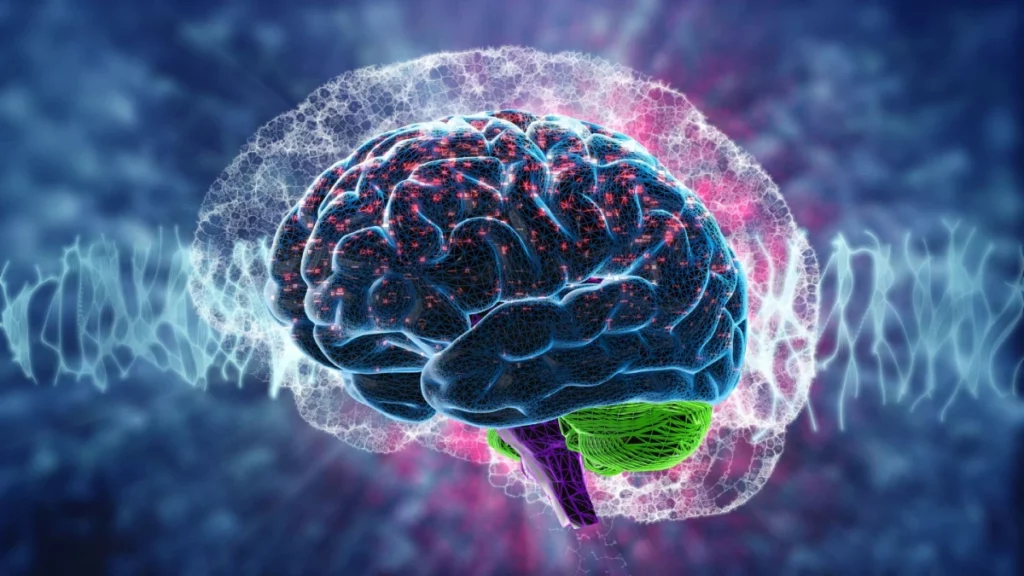
Brain fog is a state in which a person feels mentally cloudy, distracted and unable to focus. Although it is not the name of a medical illness, it is characterised by a drop in mental performance that seriously affects the quality of daily life. People often express this state as “my thoughts have slowed down,” “my mind isn’t working like it used to,” or “I’m constantly forgetful.” Brain fog can arise in connection with stress, intense anxiety, depression, sleep disorders, hormonal changes and prolonged mental overload. In particular, the increasing psychological pressures of recent years, digital fatigue and a sense of uncertainty have led to complaints of brain fog being seen more frequently. When the underlying cause is not addressed correctly, this condition can become chronic and negatively affect a person’s work, social and emotional life.
What Are the Signs of Brain Fog and How Is It Recognised?
Although the signs of brain fog can differ from person to person, they mostly show themselves through a marked drop in mental performance. One of the most common signs is difficulty concentrating. The person cannot keep their attention on the task at hand for long, and struggles to understand what they read or to follow what they hear. Even simple tasks require more mental effort than normal. Another common sign is forgetfulness. Being unable to find words that are frequently used in daily life, being unable to remember tasks to be done, or short-term memory problems are frequently seen in people experiencing brain fog. Along with this, a feeling of mental slowing, the perception that thoughts are “not flowing,” and difficulty in decision-making processes also draw attention. People experiencing brain fog often express that they feel mentally tired. Even if they have rested enough, their brain still feels exhausted. This state can at times be accompanied by emotional fluctuations, intolerance and loss of motivation. The person may not feel as productive or as sharp as before; this in turn can have a negative effect on self-confidence. An important point in distinguishing the signs of brain fog is that, unlike a temporary distraction, this state shows continuity. If the mental fogginess continues for weeks and clearly affects daily life, evaluating the underlying psychological factors becomes important.
What Causes Brain Fog? Psychological and Physical Causes
Brain fog does not arise in connection with a single cause; most of the time it develops through the coming together of psychological and physical factors. One of the most commonly encountered causes is intense stress. In a brain that remains under prolonged stress, the level of cortisol rises, and this can negatively affect attention, memory and learning processes. Because the person is constantly “on alert” mentally, they struggle to gather their thoughts. Among the psychological causes, anxiety disorders and depression also hold an important place. A constant state of worry causes the mind to revolve around the same thoughts, reducing cognitive flexibility. In depression, mental slowing, difficulty in decision-making and forgetfulness are frequently seen; these symptoms are often described as brain fog. Physical factors can also trigger brain fog. Sleep irregularities and being unable to sleep enough or well disrupt the brain’s process of renewing itself. In addition, irregular eating, vitamin and mineral deficiencies, hormonal changes and prolonged mental fatigue can also increase complaints of brain fog. Furthermore, intense screen use, constant exposure to stimuli and giving the mind no space to rest are also among the frequently encountered causes today. Brain fog can often be evaluated as “a signal from the body and mind to slow down.” For this reason, correctly identifying the source of the symptoms is critically important for lasting relief.
How Do Stress and Anxiety Lead to Brain Fog?
Stress and anxiety are among the most commonly encountered psychological factors in the formation of brain fog. In individuals who remain under prolonged stress, the brain constantly works in a mode of “threat perception.” This makes it harder for the areas responsible for cognitive functions such as attention and memory to work efficiently. As a result, the person may feel mentally scattered, slow and cloudy; this picture is often described as brain fog. In states of anxiety, the mind generally revolves around things experienced in the past or negative scenarios about the future. Constantly producing worry consumes a large part of one’s mental energy. This in turn leads to the emergence of signs such as problems with concentration, difficulty in decision-making and forgetfulness. While the person feels as though they are thinking of many things at once, in reality they cannot fully focus on any single thought. Stress hormones remaining high for a long time can also negatively affect the regions of the brain responsible for learning and memory. For this reason, difficulty finding words, being unable to gather one’s thoughts and mental fatigue are frequently seen in people experiencing intense stress. Over time, this can reduce the person’s self-confidence and reinforce the thought “I’m not like I used to be.” Brain fog caused by stress and anxiety generally decreases when the psychological burden lightens. However, in this process it is very important to strengthen coping skills for stress and to reorganise the mind.
The Relationship Between Brain Fog and Depression
There is a strong, two-way relationship between brain fog and depression. Depression shows itself not only through emotional symptoms but also through marked changes in cognitive functions. In individuals experiencing depression, mental slowing, difficulty organising thoughts and a reduced attention span are frequently seen. These cognitive symptoms are often experienced as brain fog. During depression, the brain’s information-processing speed decreases. The person may struggle to make simple decisions, have difficulty finding words while speaking, or feel that they are expending much more effort than normal to focus on a task. This can lead the person to perceive themselves as inadequate or a failure, and can have a negative effect on self-confidence. Brain fog can be both a symptom of depression and a factor that sustains it. The drop in mental performance reduces the person’s daily functioning; this in turn reinforces feelings of hopelessness and helplessness. In particular, thoughts such as “nothing is like it used to be” or “I can’t pull myself together” can strengthen the depressive cycle. The brain fog that accompanies depression often does not completely disappear simply by resting or taking short breaks. When the underlying emotional burdens are not addressed, the symptoms can become chronic. For this reason, it is important to evaluate the mental fogginess seen alongside symptoms of depression with a holistic approach.
Do Sleep Disorders Cause Brain Fog?
Sleep disorders are one of the most decisive factors in the formation of brain fog. Sleep is a critical process in which the brain organises the information it has been exposed to during the day and repairs and renews itself. When enough good-quality sleep is not obtained, these processes are disrupted, and the person begins to experience mental fogginess during the day. In particular, a feeling of grogginess in the mornings, distraction lasting throughout the day, and difficulty concentrating are typical reflections of brain fog. In individuals experiencing insomnia, the attention span shortens and memory performance drops markedly. Because the brain cannot process information efficiently, thoughts slow down and decision-making becomes harder. Over time, this can lead the person to feel mentally inadequate. In particular, chronic sleep disorders can pave the way for complaints of brain fog becoming permanent. The factors that disrupt sleep quality are not only the shortness of sleep duration. Waking frequently at night, shallow sleep, irregular sleep hours and intense mental rumination also prevent the brain from resting enough. Sleep problems related to anxiety and stress cause the mind to remain “active” throughout the night as well, leading the person to wake up in the mornings with mental fatigue. Brain fog caused by long-lasting sleep problems should often be addressed together with the underlying psychological factors. Without establishing a sleep routine, fully regaining mental clarity can be difficult.
How Does Brain Fog Pass? When Is Psychological Support Needed?
The passing of brain fog depends first and foremost on correctly understanding the factors that cause this condition. Although mental fogginess is often associated only with busyness or fatigue, when the underlying psychological causes are ignored, the symptoms can become permanent. When factors such as stress, anxiety, depression and sleep problems are not addressed, brain fog may not completely disappear on its own. Certain adjustments in daily life can be helpful in easing brain fog. Establishing a sleep routine, increasing mental and physical breaks, avoiding exposure to excessive stimuli and developing emotion-regulation skills are important parts of this process. However, if brain fog has been continuing for a long time and clearly affects the person’s functioning and quality of life, the need for professional support arises. Psychological support aims to address not only the symptoms of brain fog but also the thought patterns and emotional burdens that lead to this condition. The cognitive behavioural approach can help in noticing and restructuring the automatic thoughts that tire the mind. In this process, the person learns to recognise and manage the internal triggers that disrupt their mental clarity. Brain fog is a condition in which the person should not be left alone with the thought that “there is something wrong with me.” With the right support, mental clarity can be regained, and the person can continue their daily life in a more balanced way.
Coping with Brain Fog Is Possible with Online Therapy
If brain fog is affecting your daily life, your work performance or your emotional balance, you do not have to manage this process alone. Online therapy makes it possible for you to receive professional psychological support from wherever you are. Getting support to understand your mental burdens, reorganise your thought patterns and address the underlying causes of brain fog can speed up your recovery process.