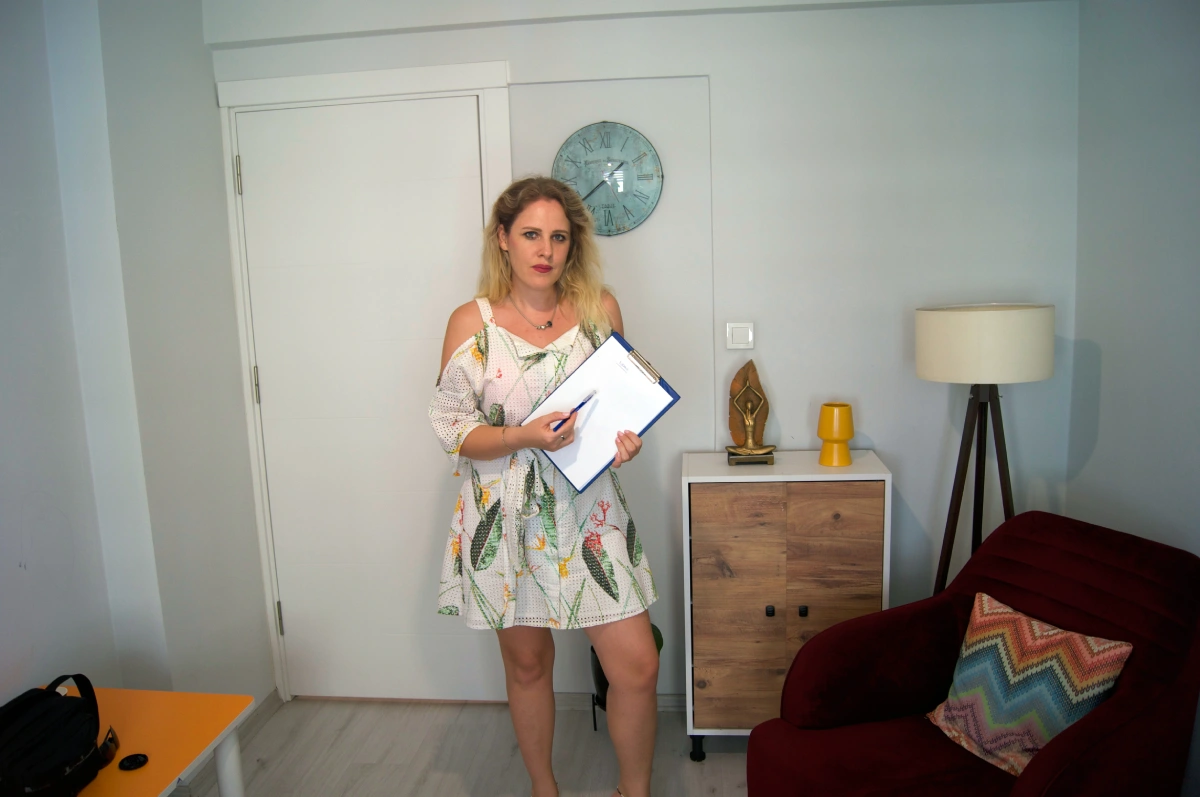

Attachment problems are emotional difficulties that develop as a result of the relationships an individual formed with their caregivers in childhood being inadequate, traumatic or insecure, and that continue into adulthood. These problems can cause an individual to struggle to form close relationships, to have a constant fear of abandonment, or to have a tendency to flee from relationships. Individuals who could not form a secure attachment in childhood may struggle to establish stability in romantic relationships, friendships and even work relationships in adulthood. This significantly affects both the individual’s mental health and their quality of life. Fortunately, attachment problems can be understood through therapy, solutions can be developed, and healthy relationship models can be built.
What Are Attachment Styles? Which Attachment Style Describes You?
Attachment styles are psychological tendencies that develop based on the relationships individuals formed with their caregivers during childhood, and that also affect romantic and social relationships in adulthood. In the psychology literature, the most widely accepted attachment styles are divided into four main groups: secure attachment, avoidant attachment, anxious (preoccupied) attachment and disorganised attachment. Secure attachment is a healthy form of attachment in which the individual forms relationships with trust in both themselves and the other person. These people do not struggle to express their emotions, are not afraid of closeness, and can establish balance in their relationships. Individuals with an avoidant attachment style, on the other hand, generally avoid emotional closeness, keep their distance in relationships and are wary of becoming dependent on others. These individuals may suppress their emotional needs and prefer solitude. In the anxious attachment style, individuals constantly experience a fear of abandonment and feel an excessive need for attention and approval in relationships. This leads them to become intensely attached to their partners and to constantly analyse the other person’s behaviour. Disorganised attachment, in turn, is a style characterised by contradictory reactions, in which both extremes of behaviour (seeking closeness and keeping distance) are experienced at the same time. This attachment type is usually seen in individuals who experienced serious traumas in childhood. Recognising your own attachment style makes it easier to understand the problems you experience in your relationships. This awareness, together with a therapy process carried out under the guidance of an expert, helps you make the transition to healthy relationship patterns.
What Is Avoidant Attachment? What Are Its Effects on Relationships?
Avoidant attachment is a type of attachment style in which the individual tends to avoid emotional closeness. These people are generally individuals whose emotional needs were not sufficiently met in childhood, who were overly criticised or forced to be independent. For this reason, they struggle to trust others, suppress their needs and prefer to remain emotionally distant. Although individuals with an avoidant attachment style generally appear strong and independent, inwardly they experience an intense fear of closeness. They use suppressing their emotions to keep them under control as a defence mechanism. These people generally display the following behaviours in romantic relationships:
- Avoiding emotional sharing
- Setting boundaries and seeking distance in relationships
- Remaining indifferent to the partner’s needs
- Overly controlling or indifferent attitudes
- Withdrawing “when the relationship gets too serious”
This attachment style can lead to serious problems, especially in long-term relationships. The partner may feel emotionally excluded or unloved. This in turn leads to insecurity, conflict and disconnection in the relationship. Avoidant attachment is not a consciously chosen way of behaving, but a defence system formed by past experiences. Becoming aware of these behaviours and understanding their origin is the first step of change. The psychotherapy process can help the individual analyse these defence patterns and form healthier bonds. In particular, cognitive behavioural therapy and attachment-focused therapies offer highly effective methods in this regard.
Why Does the Fear of Abandonment Develop? How Does It Pass?
The fear of abandonment is an individual’s intense and constant worry that their loved ones will one day leave them. This fear is seen more frequently in individuals with an anxious attachment style and creates great stress in relationships. It usually stems from experiences such as insecure attachment in childhood, the loss of a parent, neglect or emotional abuse. Individuals with this fear may display the following behaviours in their relationships:
- A constant search for attention and approval
- Over-analysing the partner’s behaviour
- Making sacrifices in order not to be abandoned
- Excessive jealousy and a desire to control
- Experiencing panic when a message or call is delayed
All these behaviours are in fact an effort to suppress the feeling of worthlessness the person carries within. The thought “if I am loved enough, they won’t leave me” keeps the person constantly on alert and tense. Unfortunately, this approach harms relationships; the other person may feel under pressure, and this can actually result in a separation. In this way, what the person feared comes true, and the cycle continues. To overcome the fear of abandonment, one must first become aware of this fear and understand its source. Then the individual must restructure these thought patterns and build their self-confidence. At this point, getting professional support is very important for the healthy progress of the process. Online therapy is an effective way of overcoming these kinds of emotional problems in particular. During the psychotherapy process, the individual explores their own inner world, regains their sense of trust and learns to draw healthier boundaries in relationships.
How Does Cognitive Behavioural Therapy Help with Attachment Problems?
Cognitive Behavioural Therapy (CBT) is a scientifically based psychotherapy method that enables the individual to explore the relationship between their thoughts, emotions and behaviours. In individuals experiencing attachment problems, negative thought patterns such as “I am not worthy of love,” “Closeness causes harm,” or “People cannot be trusted” generally prevail. CBT aims to make these patterns noticed and to replace them with healthy alternatives. Individuals with attachment problems are often unaware of these thought patterns. These beliefs, learned from past experiences, shape today’s relationships without being noticed. For example, a person who was emotionally neglected as a child may perceive every close relationship as a threat in adulthood. At this point, CBT comes into play and enables the individual to analyse these automatic thought patterns. During the CBT process:
- The thought-motive-behaviour triangle is examined in detail
- Negative core beliefs are identified
- Alternative, more functional thought patterns are developed
- The individual’s avoidance behaviours are reduced
- Healthy communication and boundary-setting skills are developed
In this process, the patient learns to look at their inner world more objectively. In particular, the cyclical problems experienced in close relationships are noticed and restructured during the therapy process. Psychologist Nilay Özkan, using cognitive behavioural therapy techniques with her patients who come with attachment problems, supports the person in adopting a more secure, open and healthy stance in relationships. These sessions, carried out through the online therapy process, both increase the person’s individual awareness and transform their relationship-forming skills.
How Do Childhood Traumas Affect Attachment Problems?
Childhood is the most critical stage in which the individual’s attachment style is shaped. The traumas experienced during this period deeply affect the way the individual perceives the world, other people and themselves. In particular, when the relationship formed with the mother, father or caregiver does not provide a secure foundation, attachment problems can develop. Experiences such as neglect, emotional coldness, physical or psychological violence, the loss of a parent or an unstable family environment damage the individual’s relationship-forming skills. As a result of traumatic childhood experiences, individuals may be affected in the following ways:
- Difficulty trusting people
- Fear of abandonment or rejection
- A tendency to form overly dependent or completely distant relationships
- Intense anxiety, restlessness or a sense of worthlessness
- Numbness or explosive reactions in emotional expression
These kinds of experiences can lead the individual to develop rigid beliefs such as “closeness is dangerous” or “no one can be trusted.” These beliefs operate at an unconscious level and cause the individual to experience the same problems again and again in relationships. For example, one person may find their partner’s attention “too much” and feel suffocated, while another may experience intense abandonment anxiety in the face of indifference. Yet both reactions carry traces of relational traumas experienced in the past. Breaking these cycles, reducing the effect of traumas and transforming one’s attachment style is possible. However, this process usually cannot be achieved alone; it requires professional support. Psychotherapy, especially when carried out together with past-focused work, enables the individual to become aware of their childhood experiences and to transform the present-day effects of those experiences. Psychologist Nilay Özkan carries out a therapy process aimed at understanding and resolving the long-term effects of childhood traumas on the individual. Thanks to online therapy, patients can confront their past in a safe environment and move forward on the path to forming healthier relationships.
Why Is It Important to Get Online Therapy Support for Attachment Problems?
Attachment problems can deeply affect many areas of an individual’s life. The insecurities experienced in romantic relationships, the distant communication maintained with colleagues, the unbalanced bonds formed with family members — all of these can be reflections of this fundamental problem. Over time, such problems can increase the feeling of loneliness, damage the individual’s self-esteem and pave the way for psychological disorders. This is exactly why getting professional support is of vital importance. Today, online therapy, which removes the constraints of time and place, is an ideal solution for individuals who want to cope with attachment problems. Forming a therapeutic relationship that deepens through regular sessions, without leaving your own comfort zone, is one of the cornerstones of the recovery process. Especially for individuals experiencing attachment problems, taking the first step can often be challenging. However, online therapy makes this process easier and offers the individual a more secure start. During the online therapy process:
- Awareness of the person’s attachment style develops
- Recurring patterns in relationships are analysed
- Skills for forming secure bonds are gained
- Ways of setting healthy boundaries and communicating are taught
Psychologist Nilay Özkan, with over 10 years of clinical experience and the accumulated knowledge that comes from having worked with hundreds of patients, offers approaches tailored to attachment problems. The work she carries out through online therapy allows individuals to set down the burdens that come from their past and to draw a healthier map of relationships. If you too are experiencing constantly recurring relationship problems, struggling with the fear of abandonment, or finding yourself forced to keep your emotional distance, you are not alone. Perhaps the right time to take the first step is now.