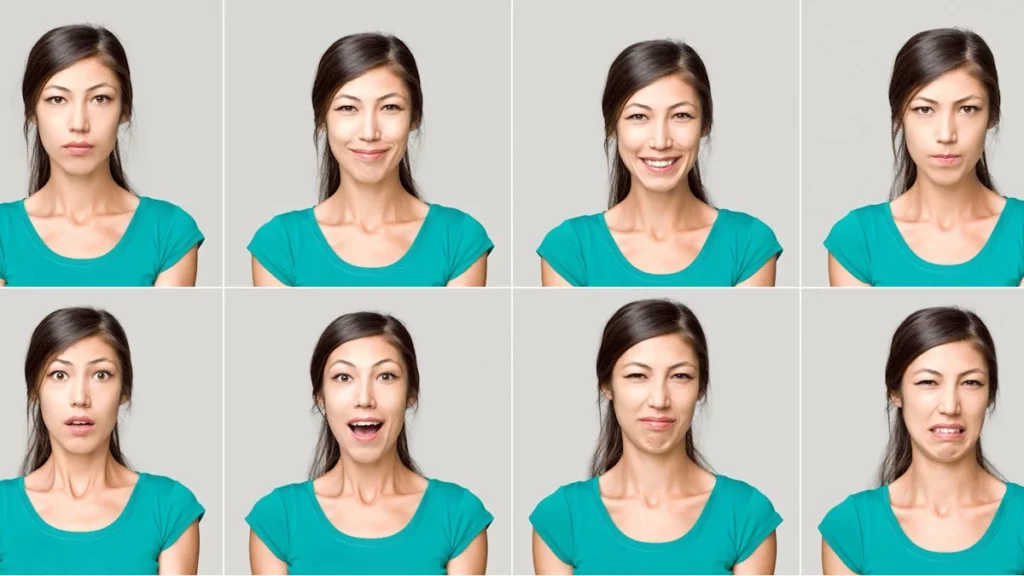
What is alexithymia? Alexithymia is a condition in which a person has difficulty recognising, naming and expressing their emotions. Also commonly described as “emotional blindness,” this condition may be a personality trait, or it may appear alongside certain psychological problems. Alexithymic individuals generally struggle to understand what they feel, describe physical symptoms instead of emotions, and have difficulty conveying their inner world in words. The signs of alexithymia can often continue for years without being noticed. The person may be perceived as emotionally distant, cold or indifferent; however, the fundamental difficulty they experience is in fact being unable to make sense of their inner experience. This can lead to communication problems in relationships, difficulty managing stress, and a susceptibility to certain psychological disorders. Early awareness is important both for personal development and for mental health.
What Are the Signs of Alexithymia? How Is Emotional Blindness Recognised?
The signs of alexithymia are often noticed not by the person themselves but by those around them. The most fundamental feature is difficulty in identifying and expressing emotions. The person cannot give a clear answer to the question “What are you feeling?”; they generally use general expressions such as “I don’t know” or “I’m fine.” This does not mean that inner experience is absent; rather, the person struggles to distinguish their emotions mentally. Individuals who experience emotional blindness tend to describe physical symptoms instead of emotions. For example, instead of saying they are sad, they may say “I have a headache” or “I feel tightness inside.” They have difficulty establishing the connection between bodily sensations and emotional experience. For this reason, intense emotions such as stress, anxiety or anger may appear in the form of somatic complaints. Another sign is limited imagination and difficulty in expressing one’s inner world. Alexithymic individuals generally think more concretely and avoid talking about abstract and emotional subjects. Difficulty in empathising, distance in relationships, and being perceived as “cold” can also be seen. If a person often says “I don’t know what I feel,” and this affects their relationships or their ability to cope with stress, the question what is alexithymia should be examined more closely. Because awareness is the first step towards change.
What Causes Alexithymia? Psychological and Neurobiological Causes
What causes alexithymia? There is no single answer to this question. Research shows that alexithymia can have both psychological and neurobiological foundations. In some individuals, not being allowed to express emotions during childhood, emotional neglect, or traumatic experiences can prevent the ability to recognise and name emotions from developing sufficiently. In particular, children who grow up with messages such as “Don’t cry” or “You’re exaggerating” may over time learn to suppress their emotions. From a psychodynamic perspective, in the face of intense stress or trauma the mind may reduce emotional awareness in order to protect itself. Although this defence mechanism may seem functional in the short term, in the long term it can lead to the inability to express emotions and a sense of inner disconnection. From a neurobiological perspective, differences in communication between brain regions are thought to play a role. In particular, when the areas related to emotional processing do not work actively enough, it can become harder for the person to distinguish their emotions. This is not a “character weakness” but a learned or developmental difference. If a person often says “I can’t understand what I feel,” and this affects their relationships, the signs of alexithymia should be evaluated carefully. Because understanding the causes forms the basis of the intervention process.
Is There an Alexithymia Test? How Do I Know If I Have Alexithymia?
Many people wonder, “Could I have alexithymia?” There are certain scales used in clinical assessments; one of the best known is the Toronto Alexithymia Scale. This kind of alexithymia test helps measure a person’s ability to recognise, distinguish and express emotions. However, a test result alone does not provide a diagnosis; it must always be considered together with an expert evaluation. To understand whether you have alexithymia, you can pay attention to certain signs. For example, do you have difficulty describing your emotions? Does the question “What are you feeling?” make you uncomfortable? When you are sad, angry or anxious, do you experience it not as an emotion but as a bodily symptom? Such experiences may indicate that you are experiencing difficulty recognising emotions. In addition, if you are described as “distant,” “cold” or “unemotional” in your relationships, if you struggle to empathise or avoid emotional conversations, this too may be a clue. But what matters here is not to label yourself; it is to try to understand your inner processes. If the question what is alexithymia has turned into a personal search for you, a professional evaluation process can offer a clearer and healthier road map.
The Relationship Between Alexithymia and Depression
Alexithymia and depression are two conditions that can often be seen together. Individuals who struggle to identify and express their emotions may, over time, have difficulty making sense of their inner distress. This can lead to suppressed emotions accumulating and to the person feeling empty, unmotivated or hopeless. In particular, a lack of emotional awareness that goes unnoticed for a long time can increase the severity of depressive symptoms. Individuals experiencing depression generally describe symptoms such as sadness, worthlessness and being unable to take pleasure in life. However, people with alexithymic traits may not be able to express these emotions openly. Instead, bodily complaints such as physical fatigue, headache and stomach problems may come to the fore. For this reason, in some cases the diagnosis of depression may be delayed, or the symptoms may be interpreted differently. Research shows that in individuals with high signs of alexithymia, the ability to cope with stress may be weaker. When emotions are not noticed and cannot be regulated, the inner burden increases. Over time this can feed a depressive picture. If a person both struggles to understand their emotions and has been experiencing low mood for a long time, it is important to evaluate the process holistically. Because learning to recognise emotions is an important step in the struggle against depression.
How Does Alexithymia Affect Relationships?
Alexithymia most often shows its clearest effect in close relationships. Individuals who struggle to identify and express their emotions may have difficulty forming deep emotional bonds with their partners or family members. From the outside, this can be perceived as “indifference” or “coldness”; however, the fundamental problem is often the ability to express emotions. Healthy communication in relationships requires the sharing of emotions. When sadness, hurt, love or anger are not expressed openly, the other person struggles to understand what is happening. People with alexithymic traits generally withdraw during moments of conflict or reduce the subject to concrete details. This can create the feeling in the partner that “they don’t understand me.” In addition, difficulty in empathising can increase relational distance. Even if the person can understand the other’s emotion mentally, they may struggle to feel it on an emotional level. This can lead to attachment problems and communication breakdowns, especially in romantic relationships. If there is a recurring theme of emotional distance in your relationships and the question what is alexithymia has become meaningful for you, recognising this dynamic is an important step. Emotional awareness can be developed, and it is possible to form a healthier bond in relationships.
Exercises and Techniques for Developing Emotional Awareness
For individuals experiencing alexithymia (emotional blindness), one of the most effective steps is developing emotional awareness. This process enables a person to recognise, make sense of and appropriately express their own emotions. Awareness work both makes it easier to understand one’s inner world and helps establish more effective communication in social relationships. One of the exercises that can be applied is keeping an emotion journal. Writing down the emotions felt in response to daily events allows a person to discover their own emotional repertoire. Another method is the emotion-labelling exercise; the person identifies the emotion they feel in words and assesses its intensity. In addition, meditation and mindfulness techniques support the person in focusing on their momentary emotions and accepting them without judgement. Emotional awareness exercises increase not only the individual’s understanding of themselves but also their sensitivity to the emotional states of others. In this way, empathy in relationships grows stronger, and a more resilient stance is gained against manipulation or misunderstandings. Applied regularly, these techniques are highly effective methods for increasing emotional intelligence and psychological resilience.
Treating Alexithymia and Professional Support
Treating alexithymia focuses first and foremost on developing emotional awareness. During the psychotherapy process, the person learns to recognise, name and regulate their emotions. This process requires patience and consistency; however, over time the person can form a stronger bond with their inner world. As Psychologist Nilay Özkan, with over 10 years of clinical experience, I offer support to adults experiencing depression, anxiety, attachment problems and difficulties with emotion regulation. If you struggle to understand your emotions, experience distance in your relationships, or feel inwardly disconnected, you do not have to go through this process alone. With online therapy, you can receive safe and structured support from wherever you are and strengthen your emotional awareness. You can get in touch for an appointment and detailed information. 🌿